The day began with an internal flight. We headed north to Tamale pronounced Tah- mah-lay. It is in no way related to delicious Mexican tamales. Tamale is possibly a derivative of Tamani meaning Shea Forest in the Dagbani language.

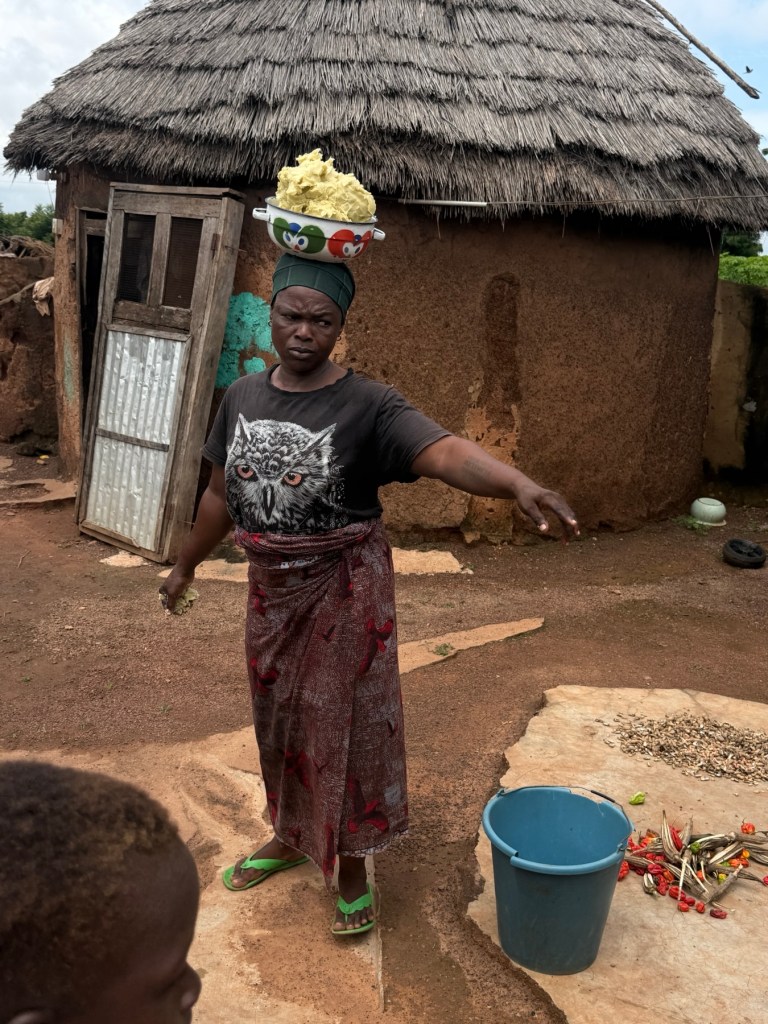
From the airport, Brimah, a local guide joined our group to take us to a small traditional farming village in the shea forest area. We greeted an elder in the local dialect which gave us permission to enter his family compound. The outdoor kitchen area is surrounded by the living quarters, round rooms for women and square rooms for men. The thatched roofs are water tight but they do get changed quarterly.
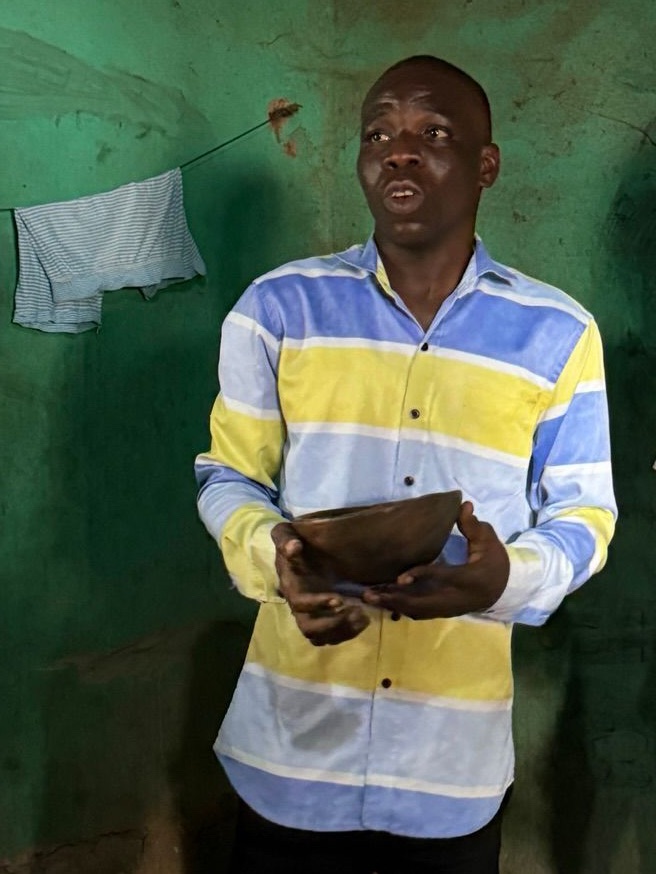
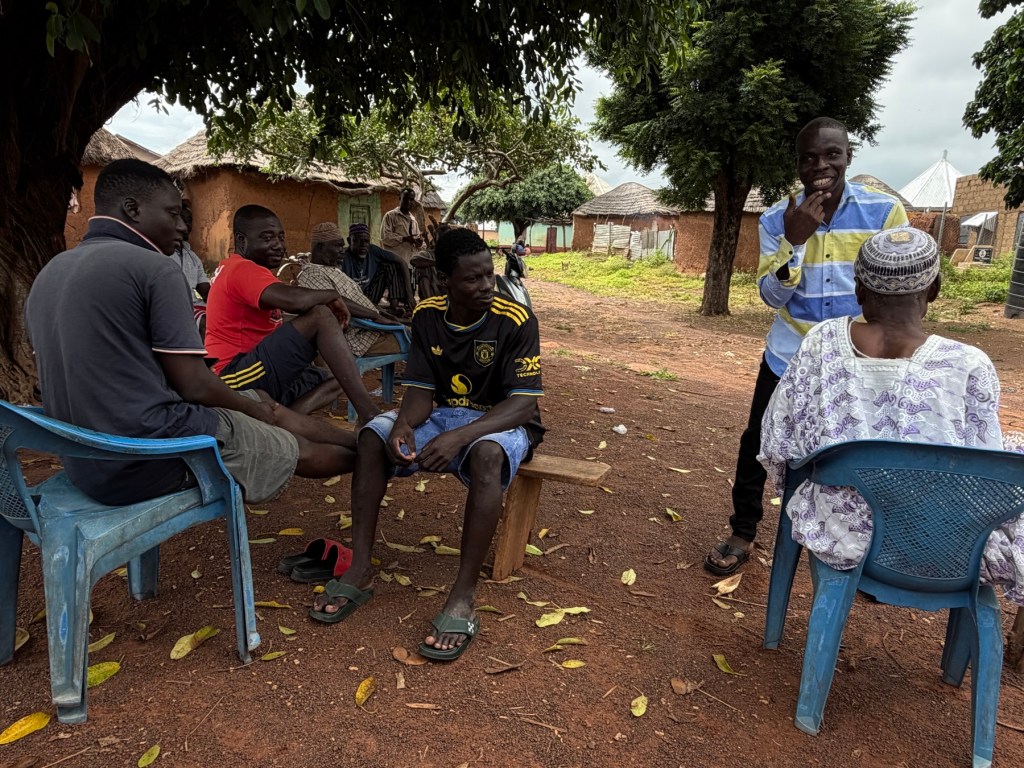
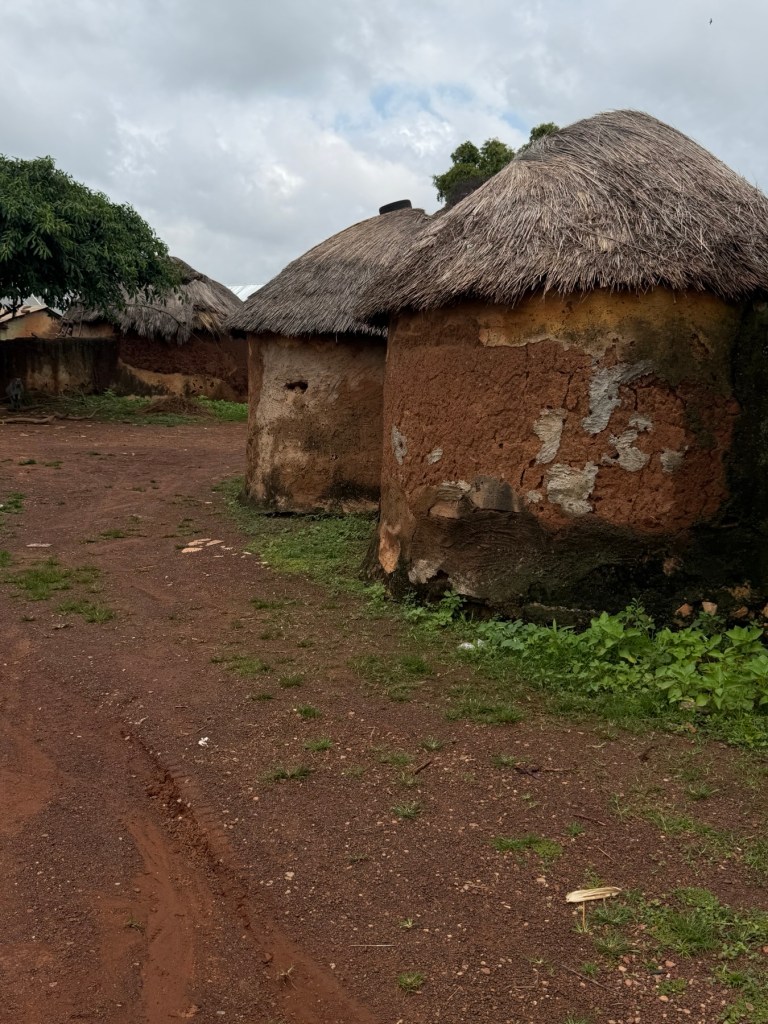
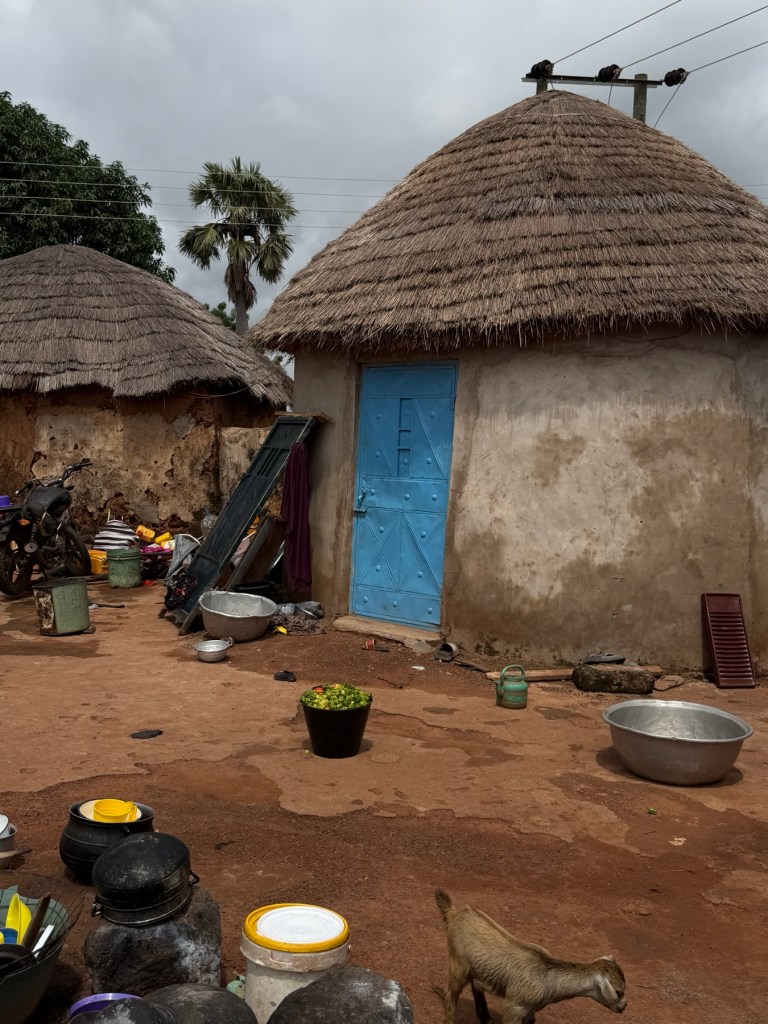
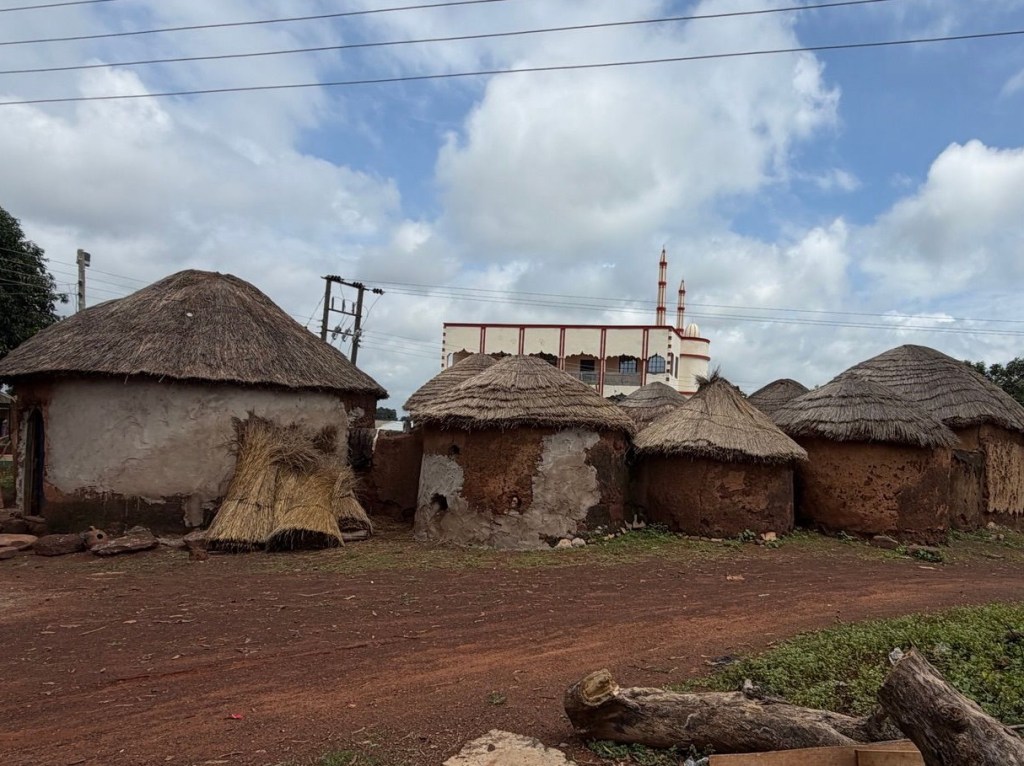
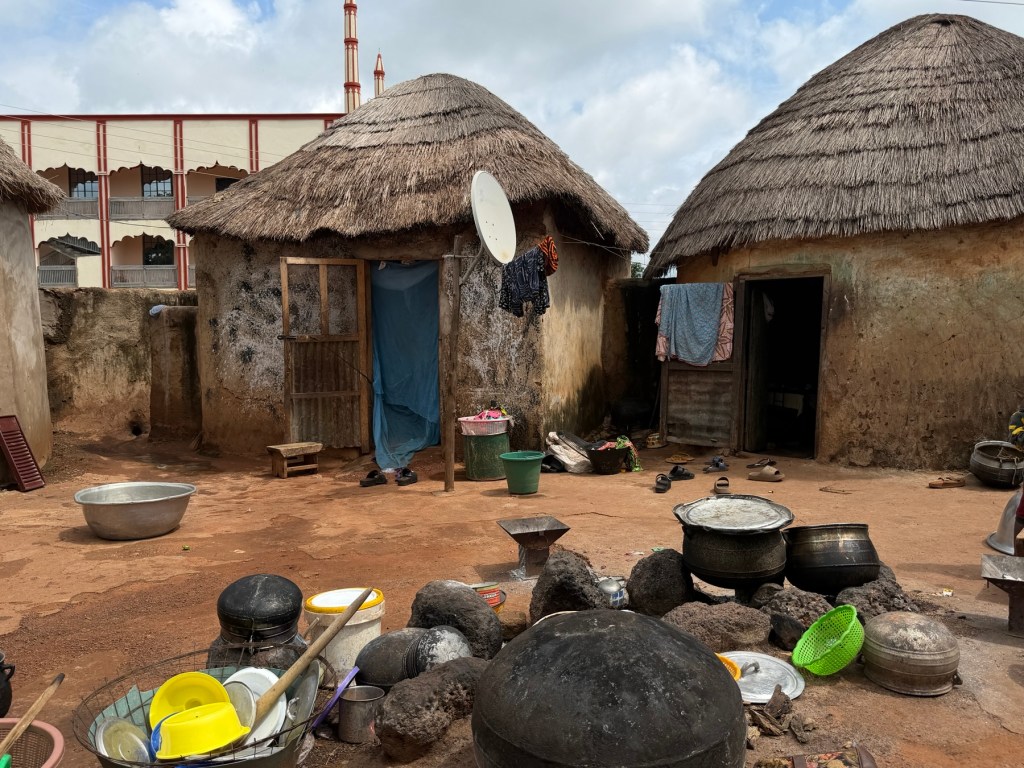
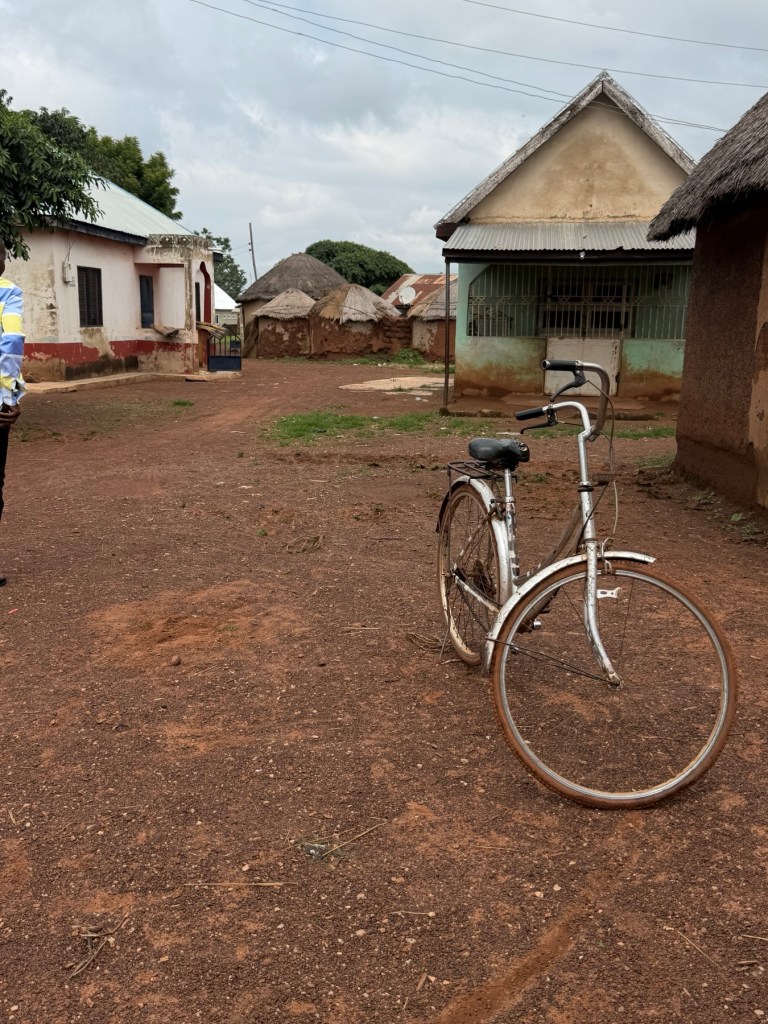
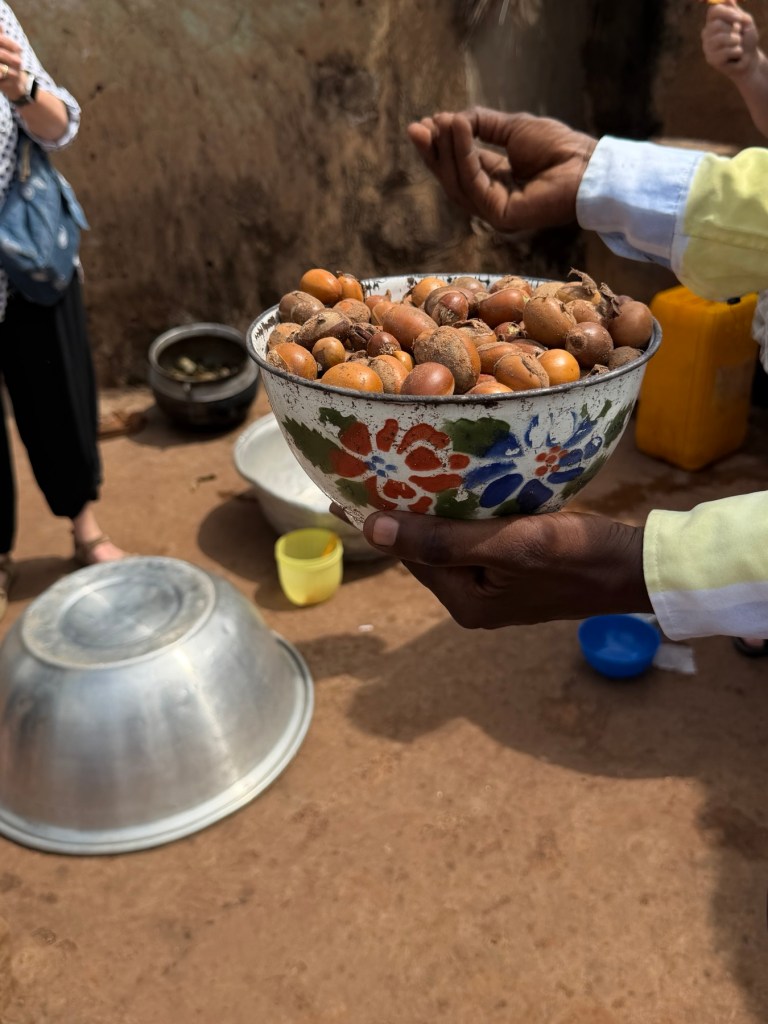
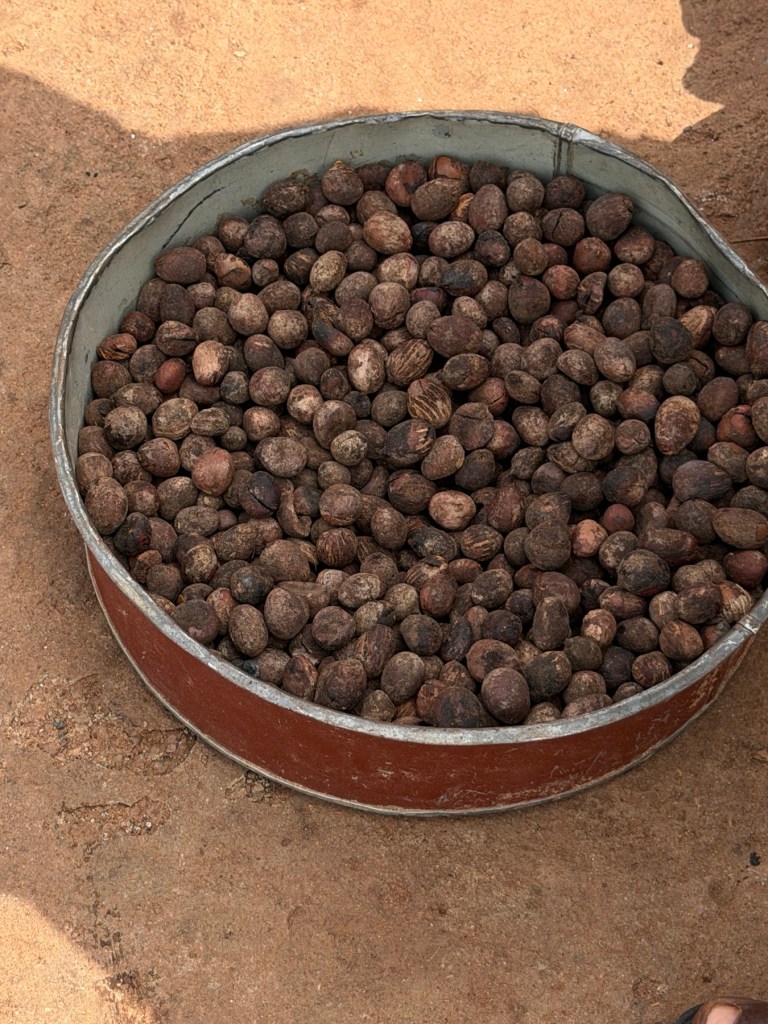
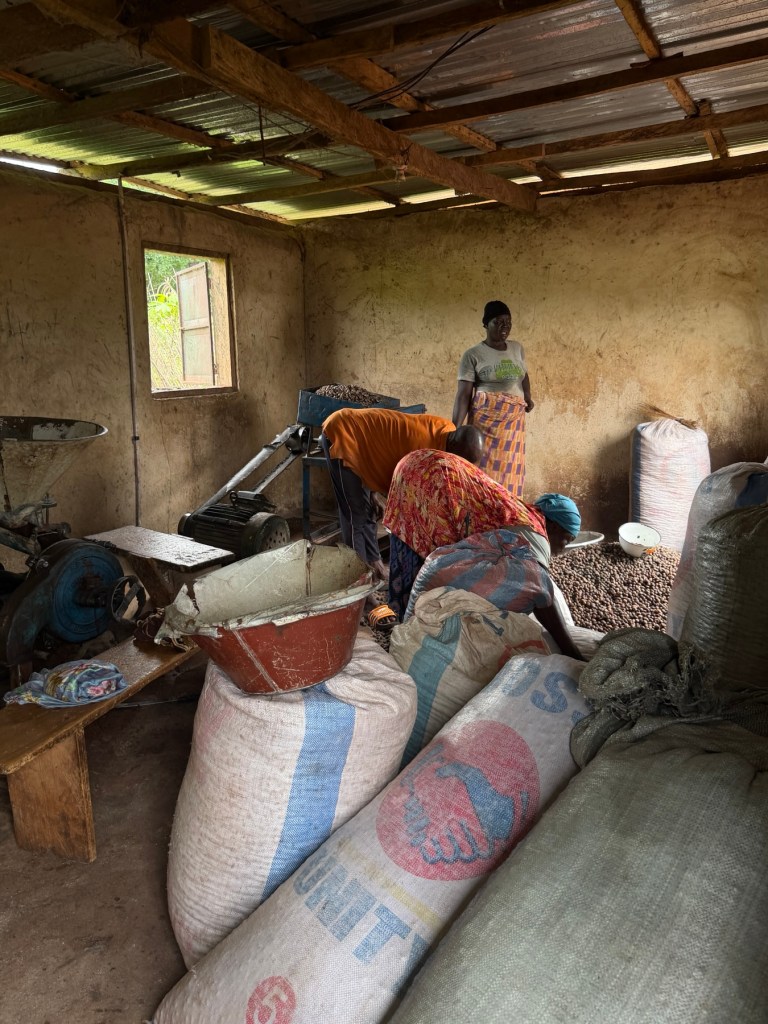
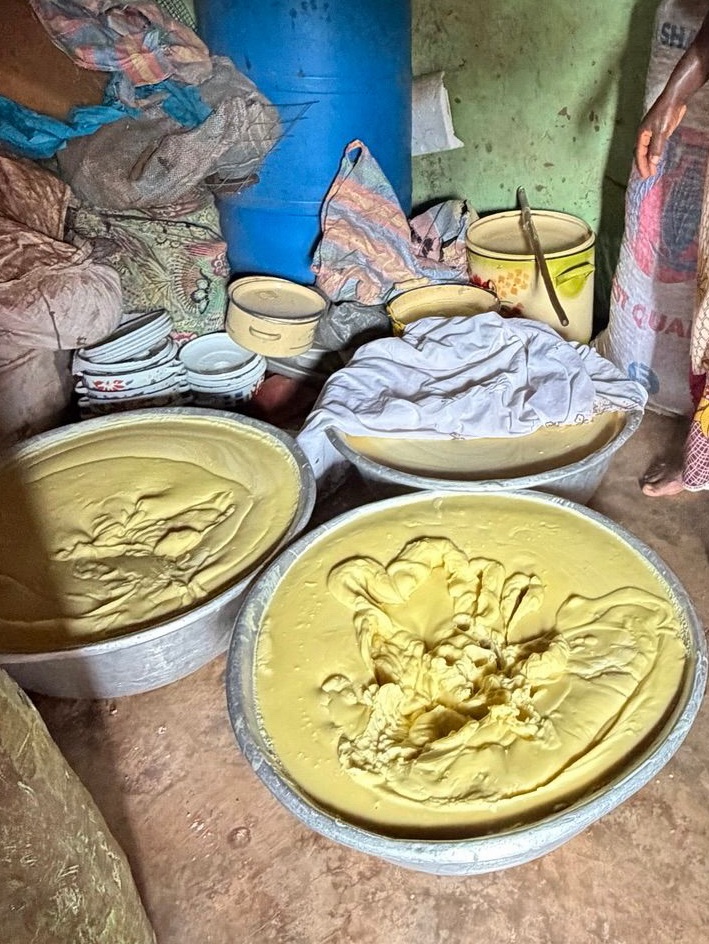
There is local farming, however, the main industry is the production of shea butter. The shea tree (vitellaria paradoxa) is native to this part of Ghana. The production of shea nut products are traditionally left to women.
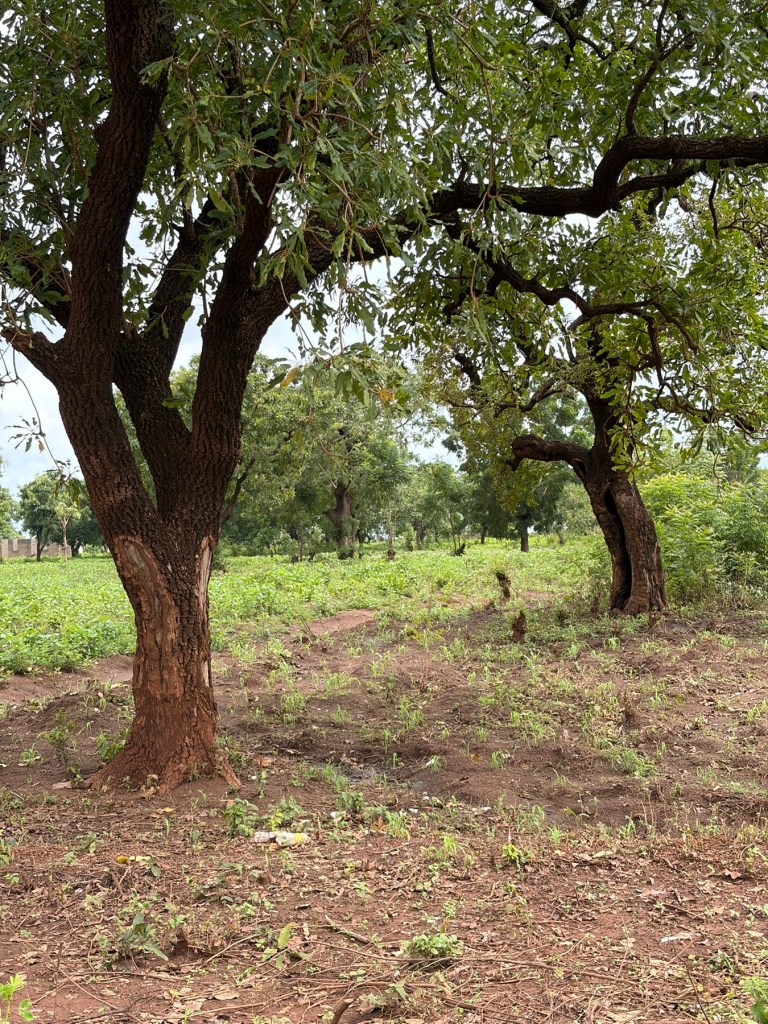
Making shea butter is a multi day process which includes air drying, roasting, grinding and churning. Shea is a major export for Ghana. It is used for soaps, candles and even doubles as a cocoa butter substitute for chocolate.
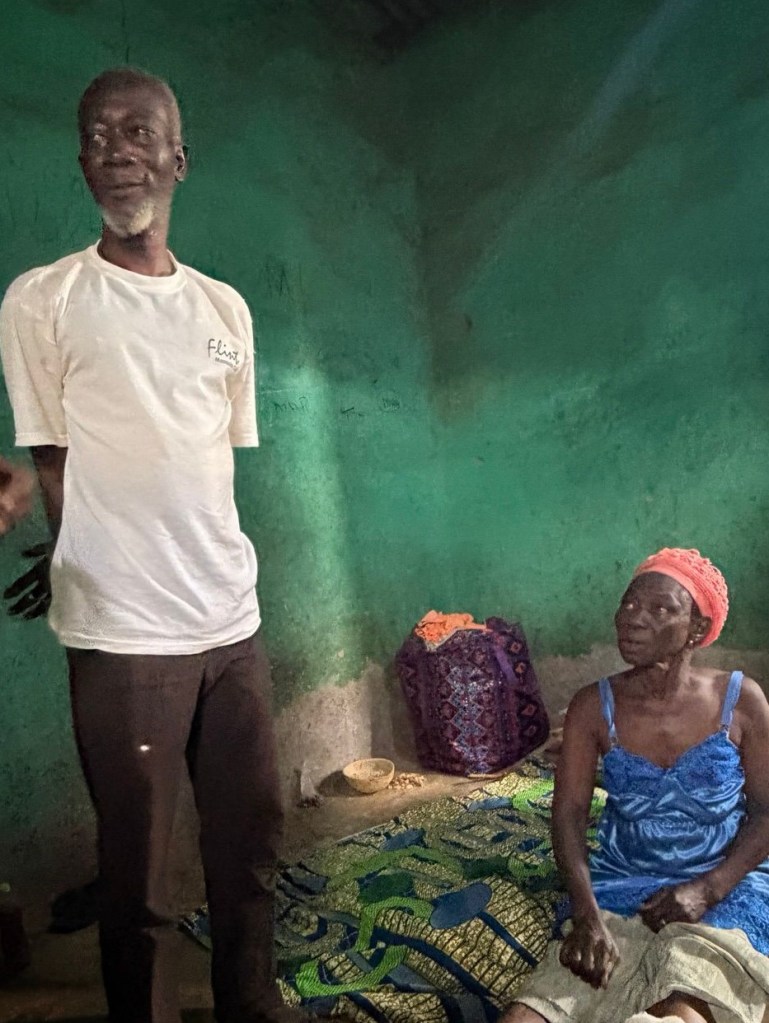
The village also has a traditional medicine man who treats ailments and broken bones with natural ingredients. The patients come from great distances for his care.
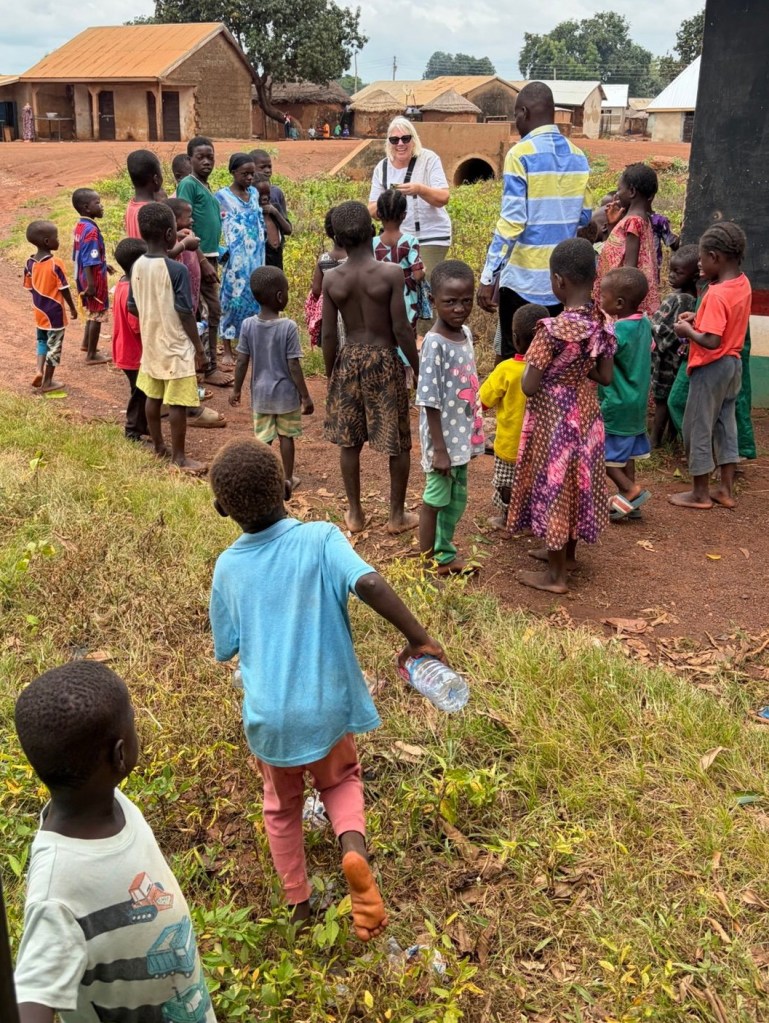
We learned it is typical for each family to have between eight and eleven children. Our visit coordinated with school vacation which meant we were holding hands and interacting with many adorable little ones.
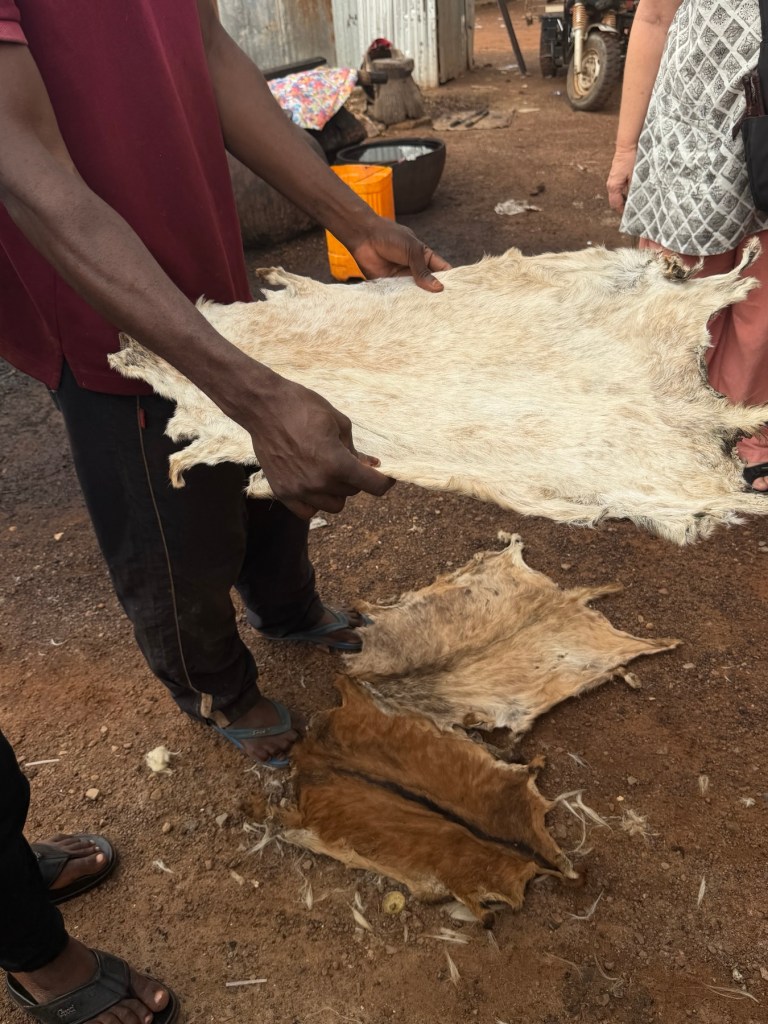
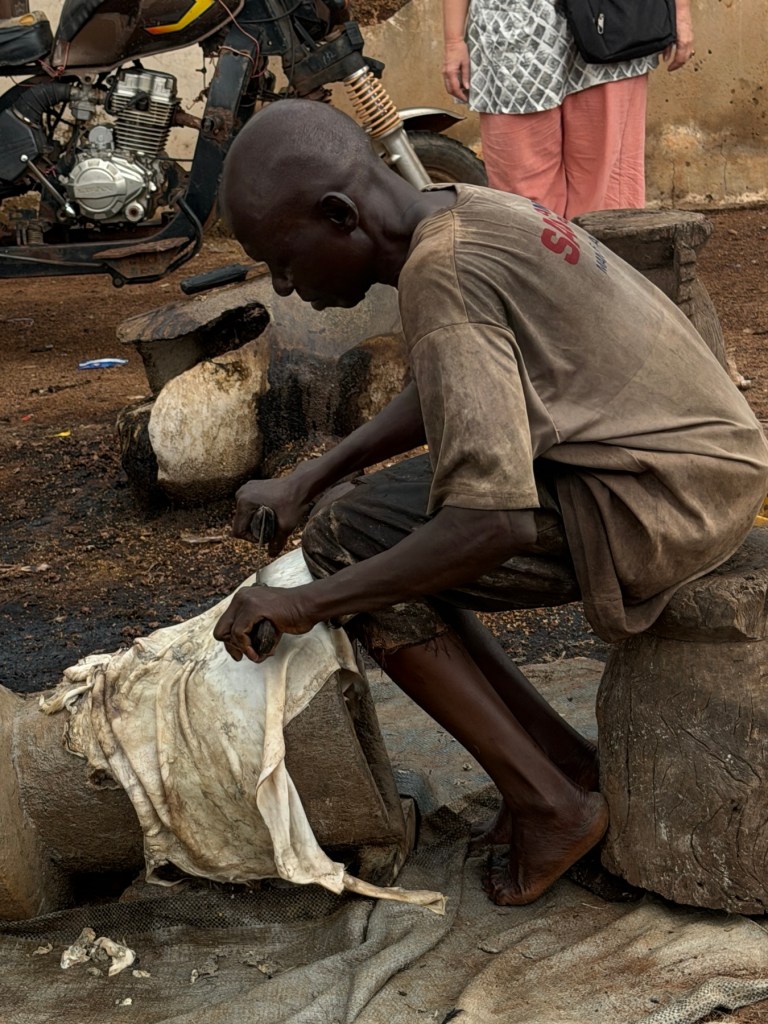
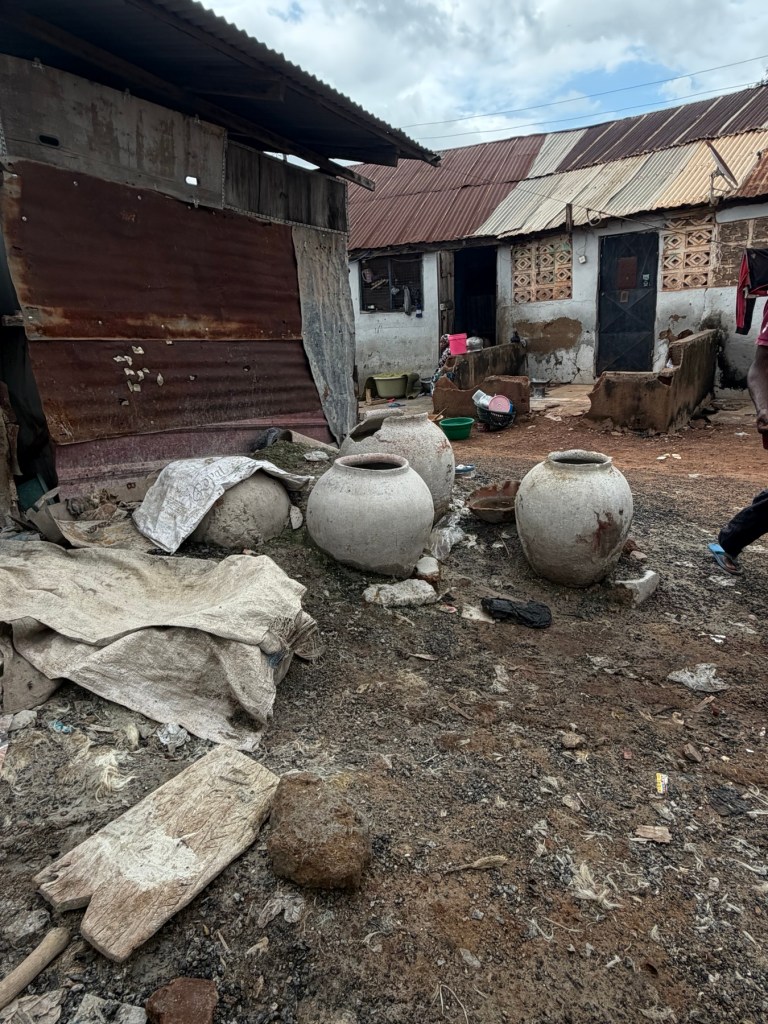
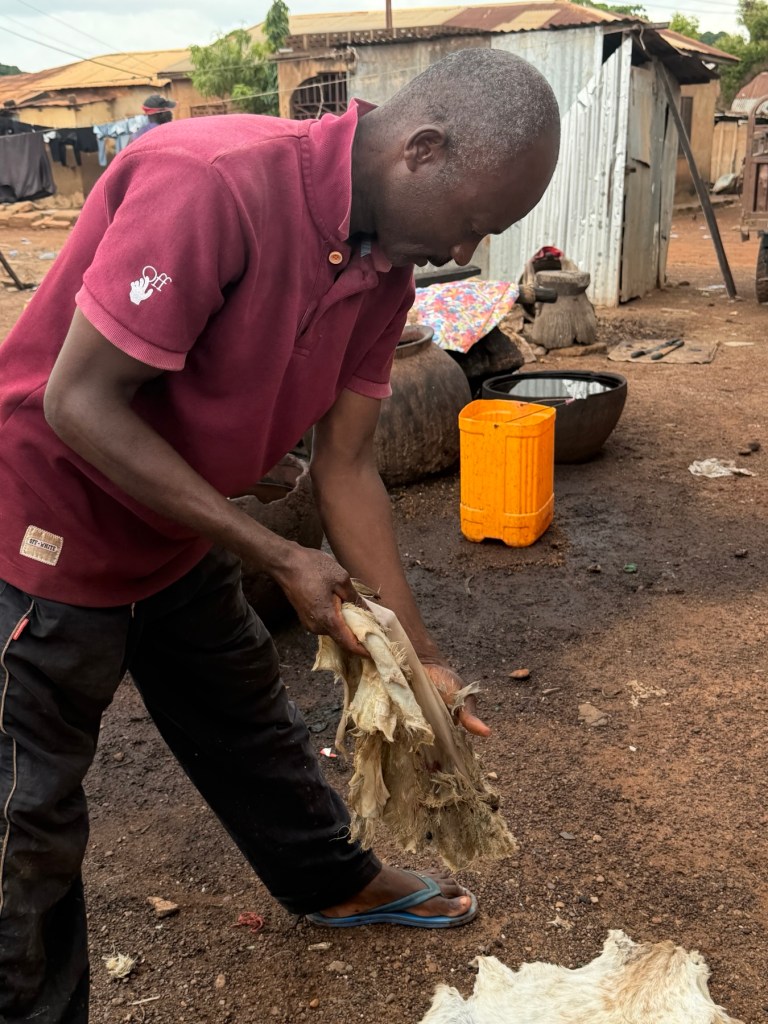
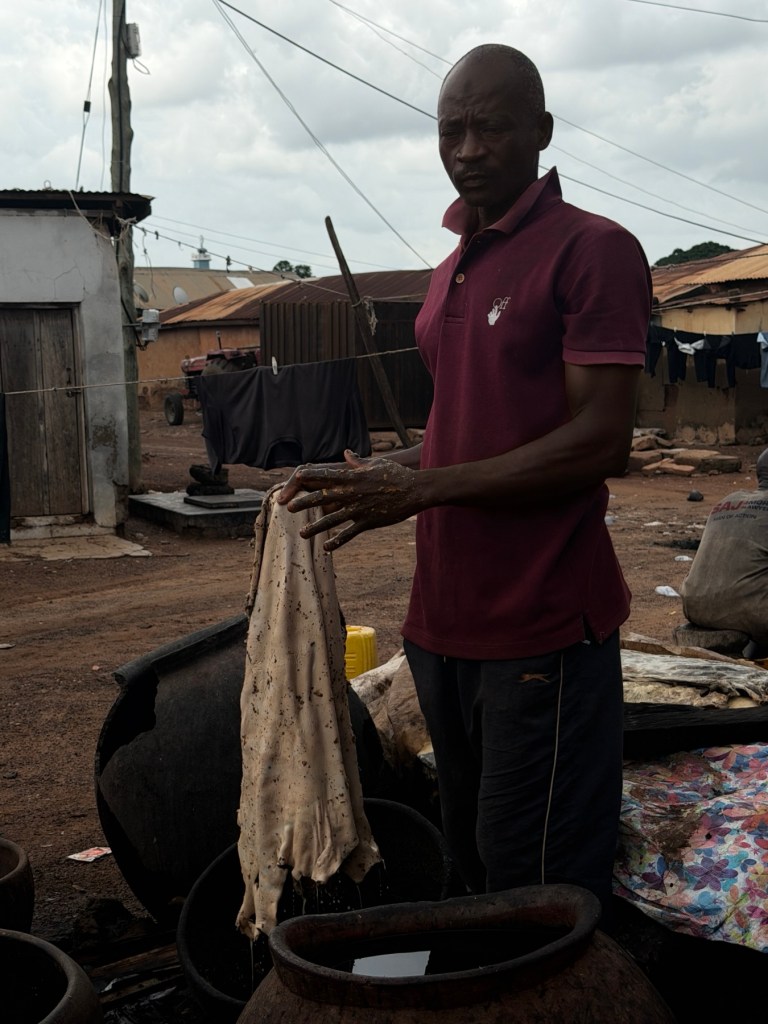
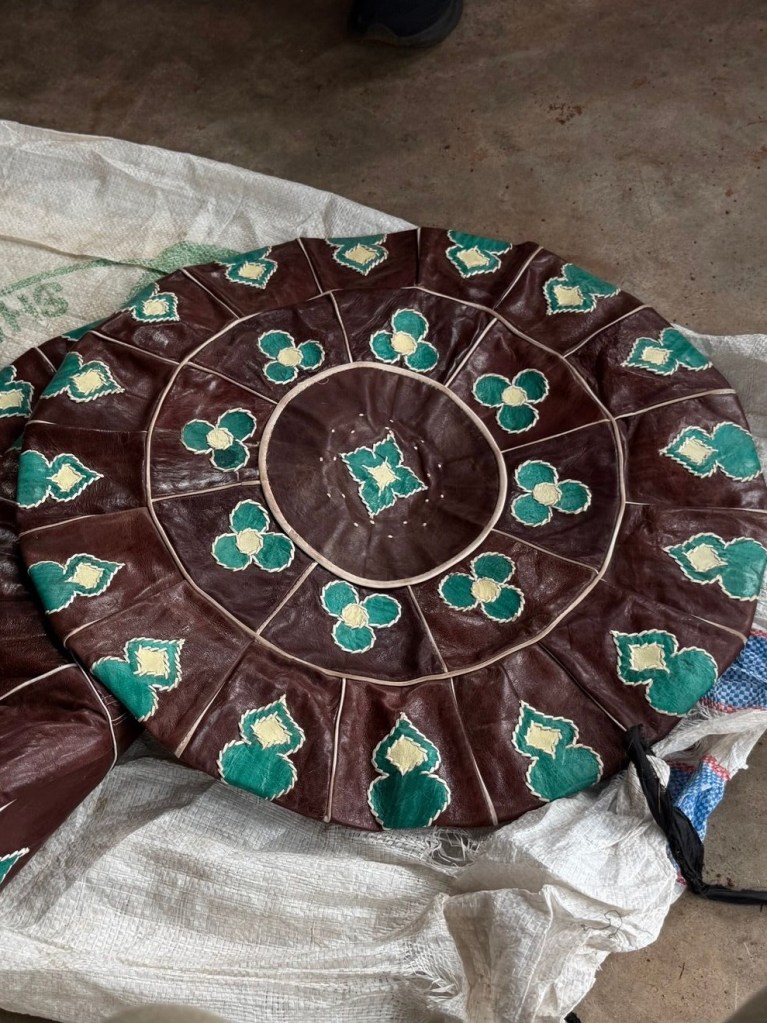
Not far from the shea production village, in the area of Zongo, was a small leather making group of men. The traditional techniques to produce leather goods was an experience. The hides are purchased from the butcher and there are multiple steps to turn them into durable dyed leather. There was an over powering odor, tons of flys abounded and the leather workers were at full volume yelling at each other. It was not the experience I had imagined. After the demonstration, we were shown some leather pillow shams sewn by other members of the community.
The traditional and the nomadic people of the north have a tough existence. They are beautiful people living in a world unfamiliar to me.

 Where is Wendy
wow!!!! Love your posts. I admire your spirit to explore worlds unfamiliar to you. To put yourself there. So impressed- love you!!!!
LikeLike