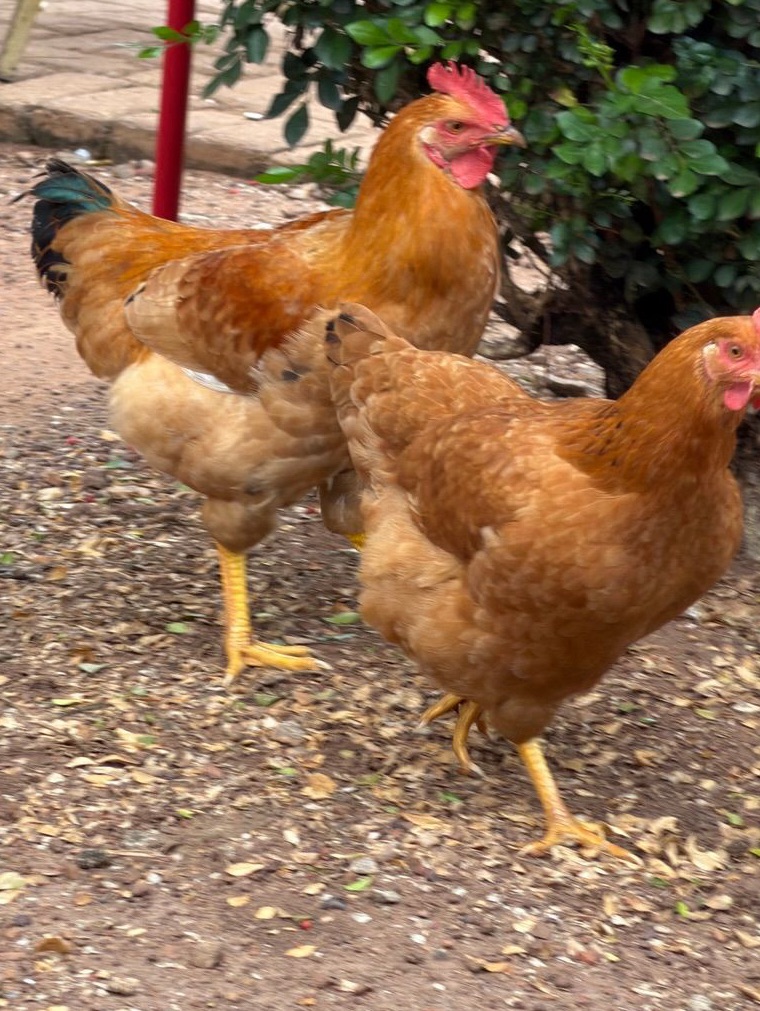
A rooster outside our door acted as an alarm clock to a hot and humid morning in Kumasi.
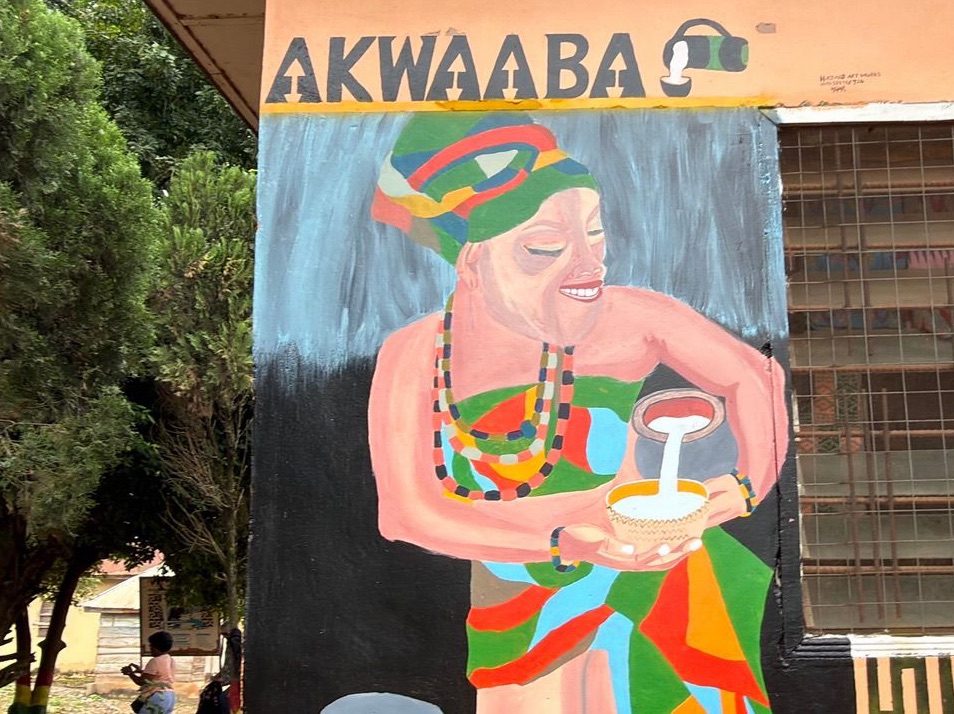
Kumasi is the capital of the Ashanti region where traditional crafts and culture of Ghana abound. Just outside of the bustling city, the village of Bonwire is where the Kente weaving technique originated. We visited a nearby small weaving community, Adanwomase.
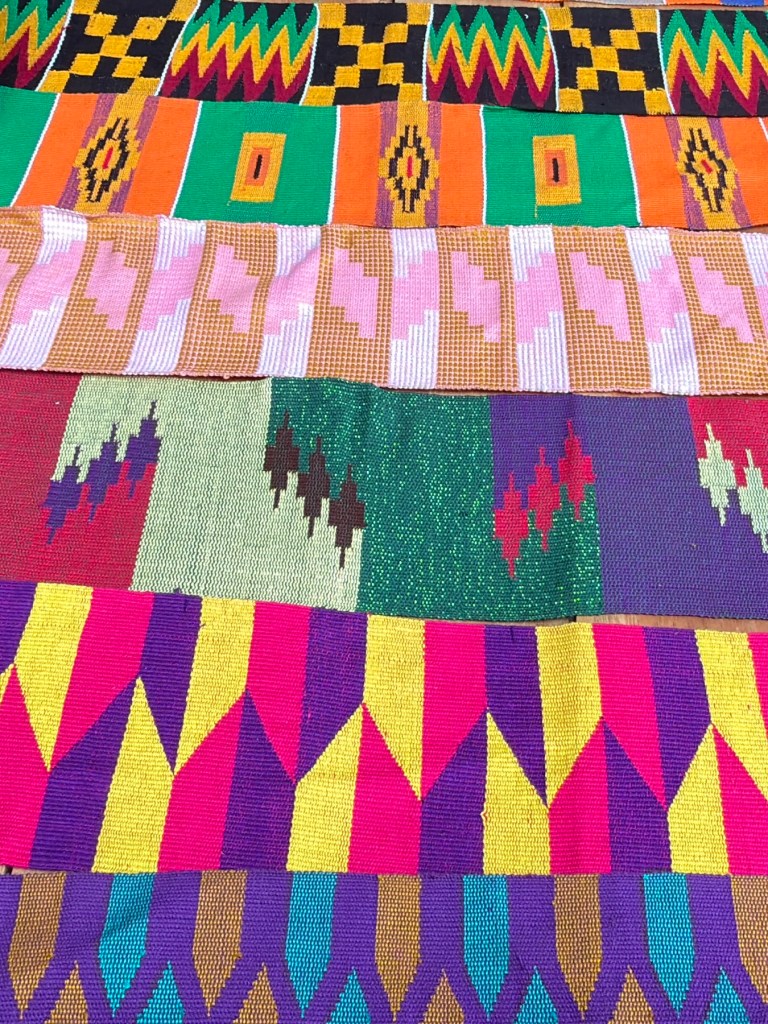
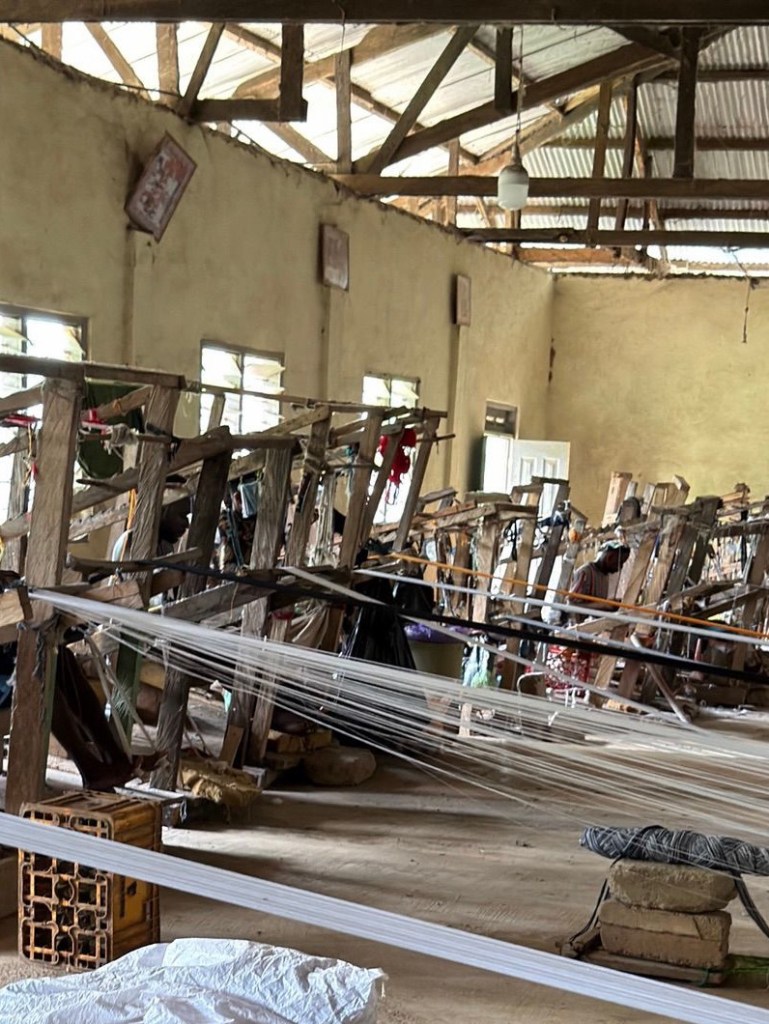
We were given a tour of the community center and then a short lesson on the history of Kente. Legend has it that brothers observed a spider weaving its web, then imitated the technique. We learned what the patterns mean and the many steps to prepare the loom. We participated in the preparation of the spools and the winding of the warp strings. We then went into the weaving room. The weavers are traditionally male, most begin working on a loom at the age of ten. The work day is long typically sunrise until sunset. They work amazingly fast and it takes longer than a month to complete one five inch wide strip of Kente cloth, Originally, Kente was worn only by royalty and chiefs during celebrations and important occasions. Now it is acceptable for all and it is recognized as a symbol of African identity and pride.
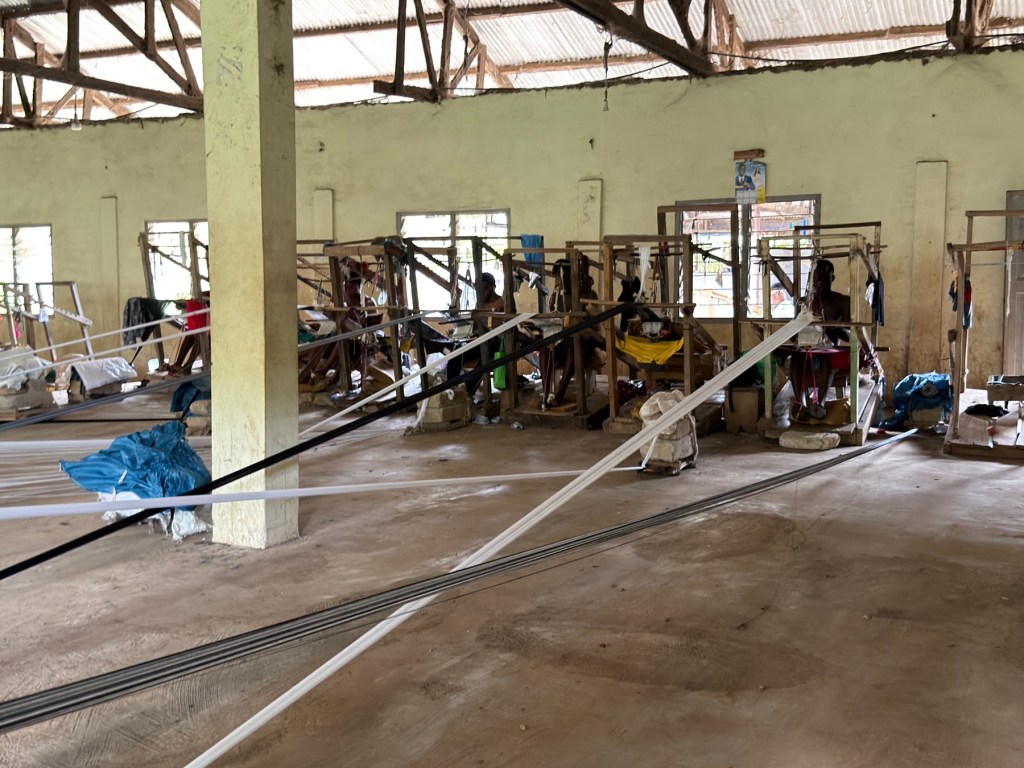
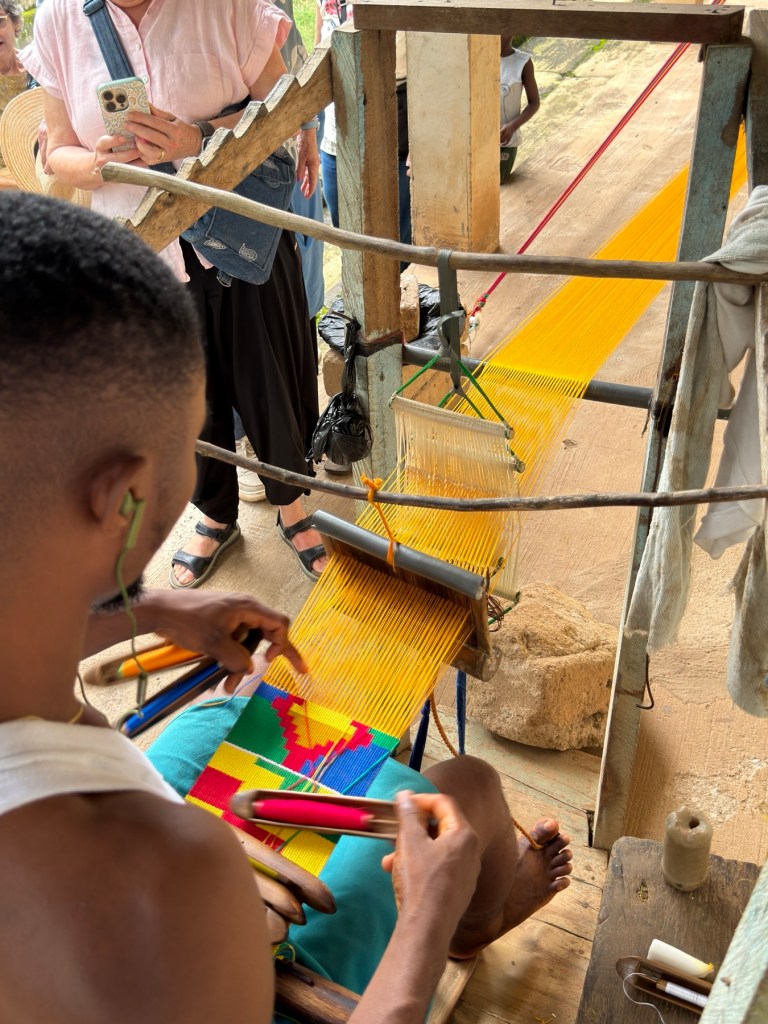
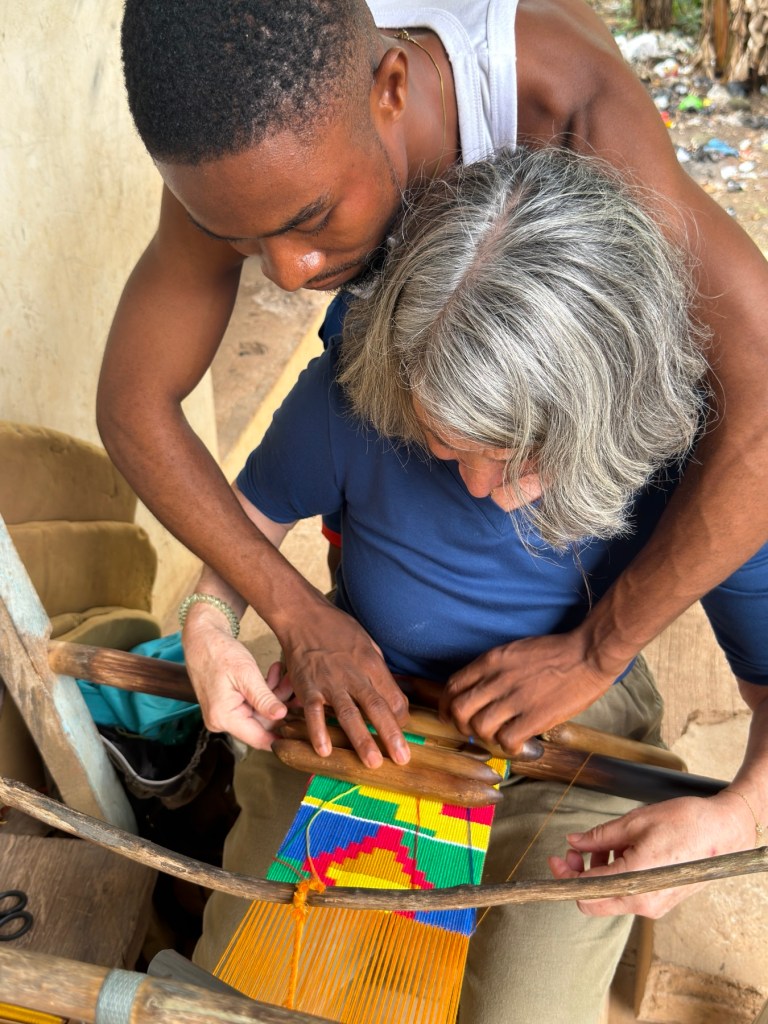
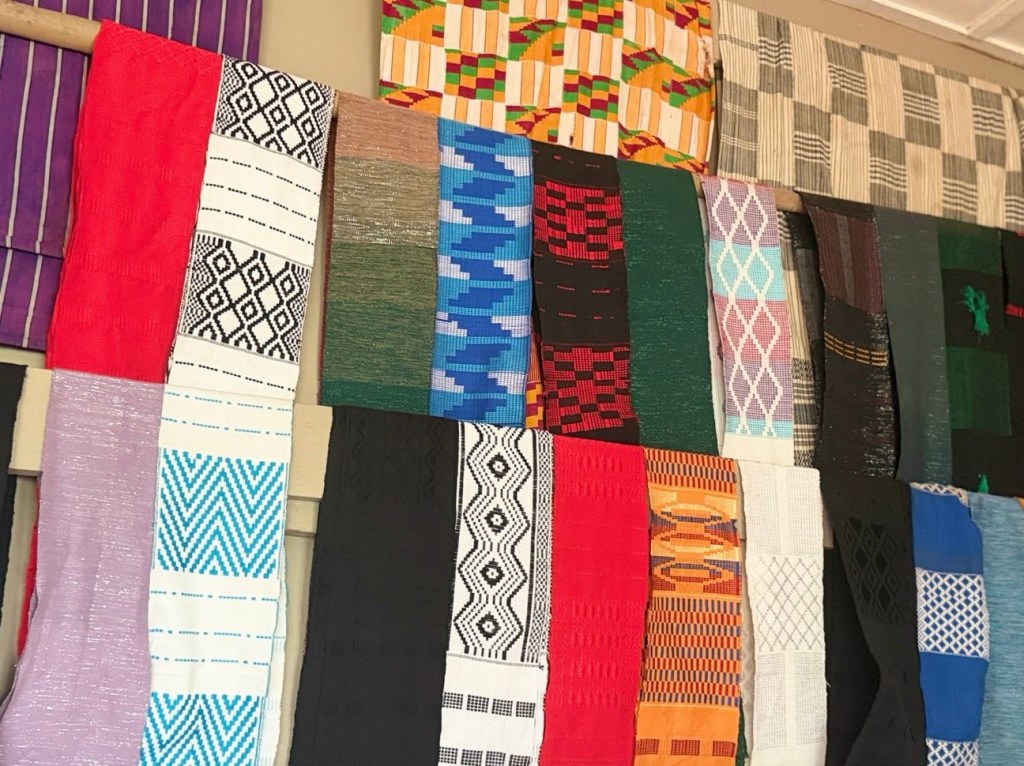
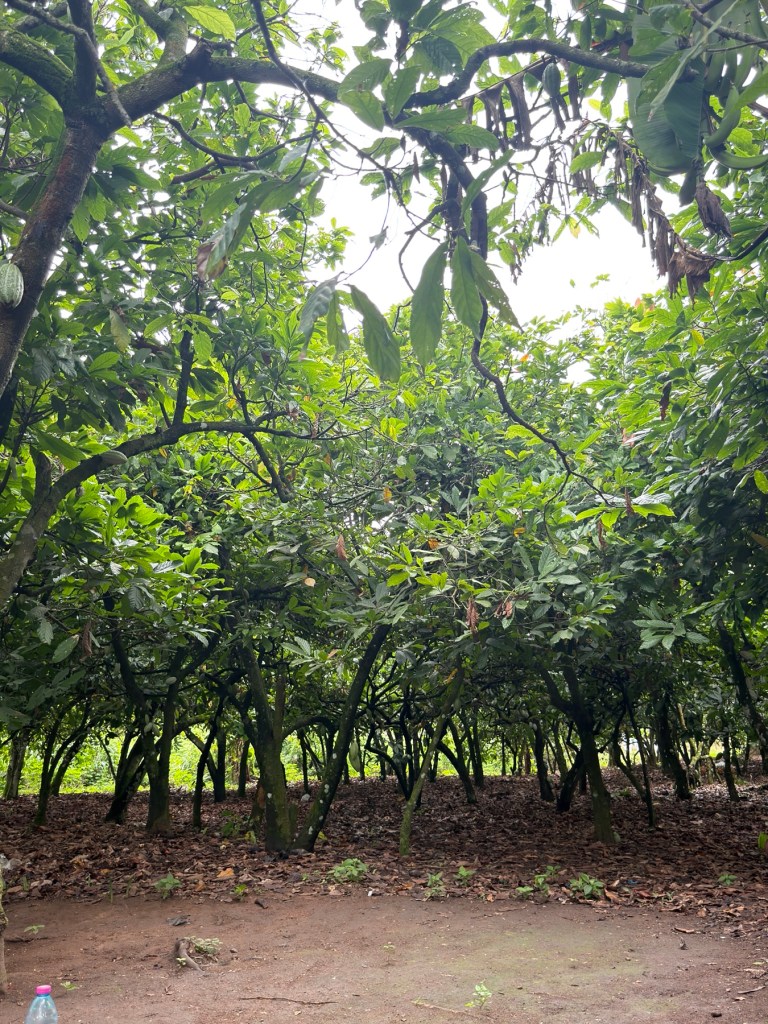
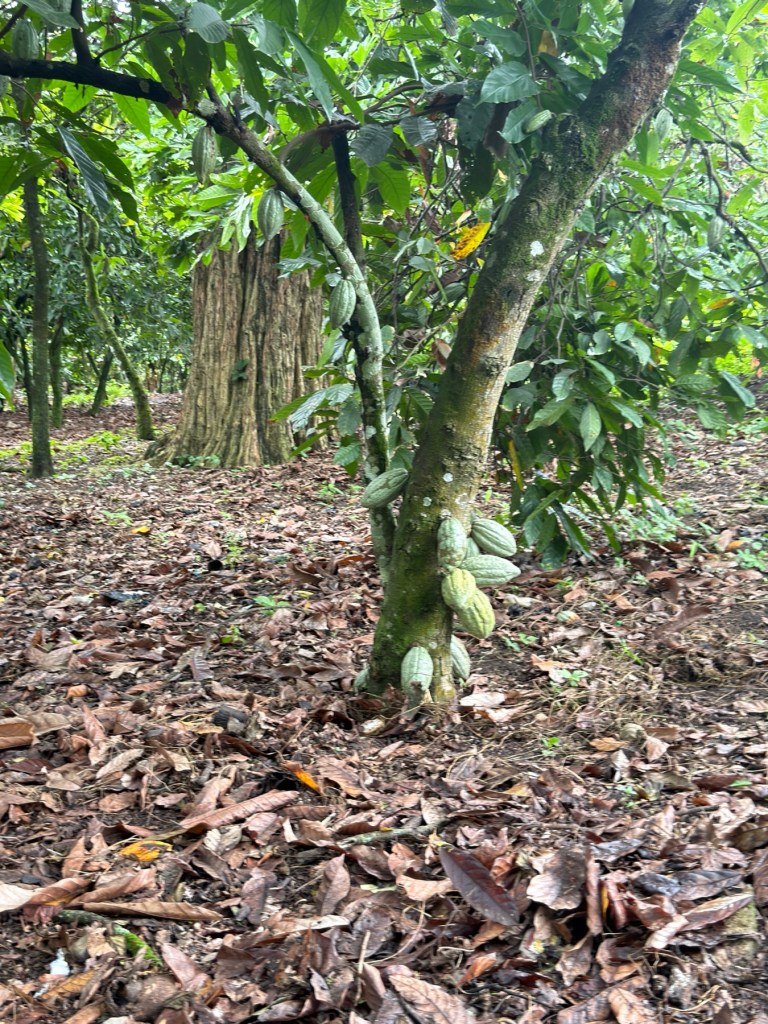
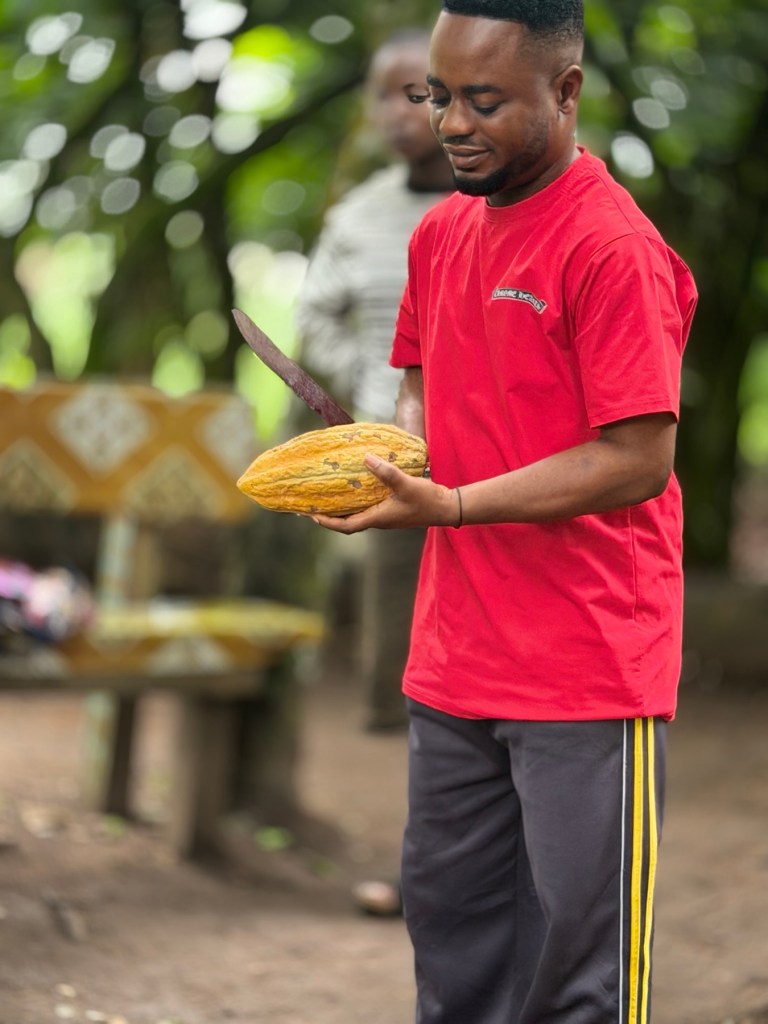
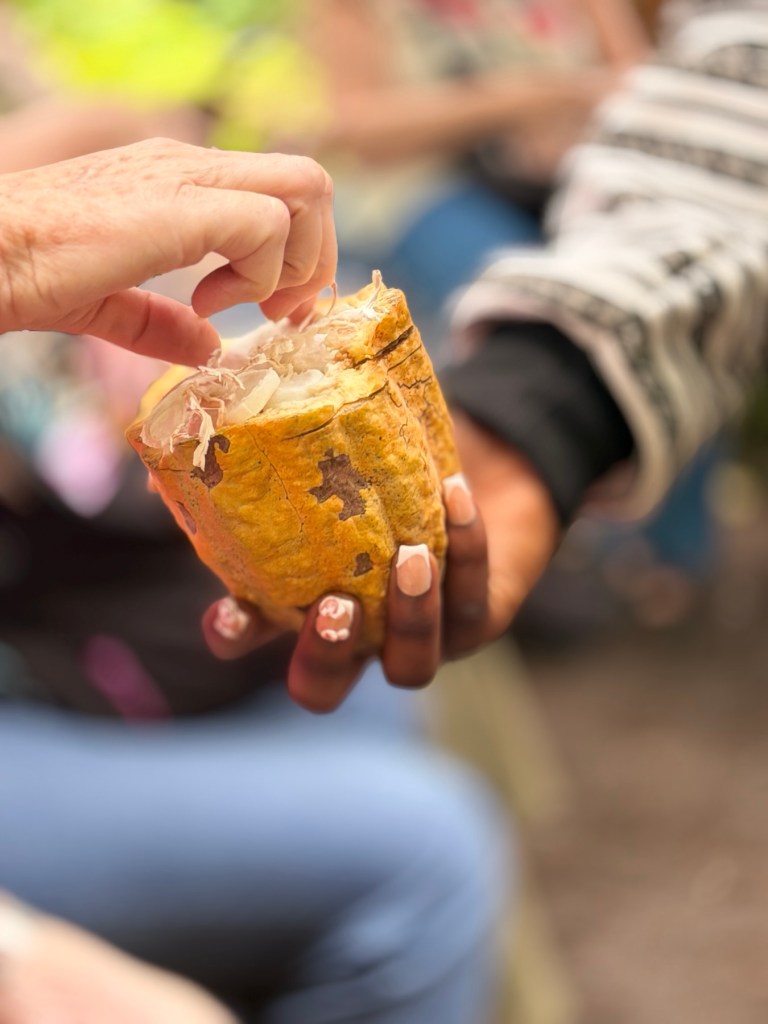
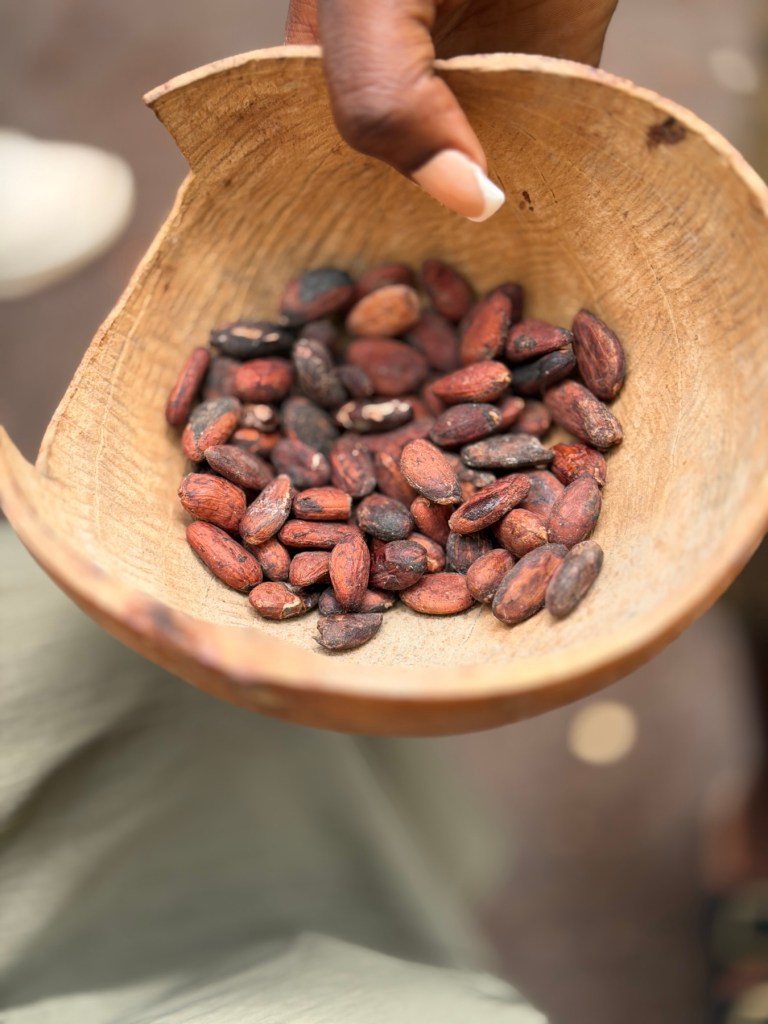
This same community is fortunate to have cocoa trees. We walked back to see the plantation and learn about the harvest and the products. Ghana is the second largest exporter of Cocoa slightly behind Cote ‘d Ivoire. We learned the pods grow on the trunks and main branches of the tree. We tasted the raw seeds and the dried seeds. There will be Ghana chocolate in my future.
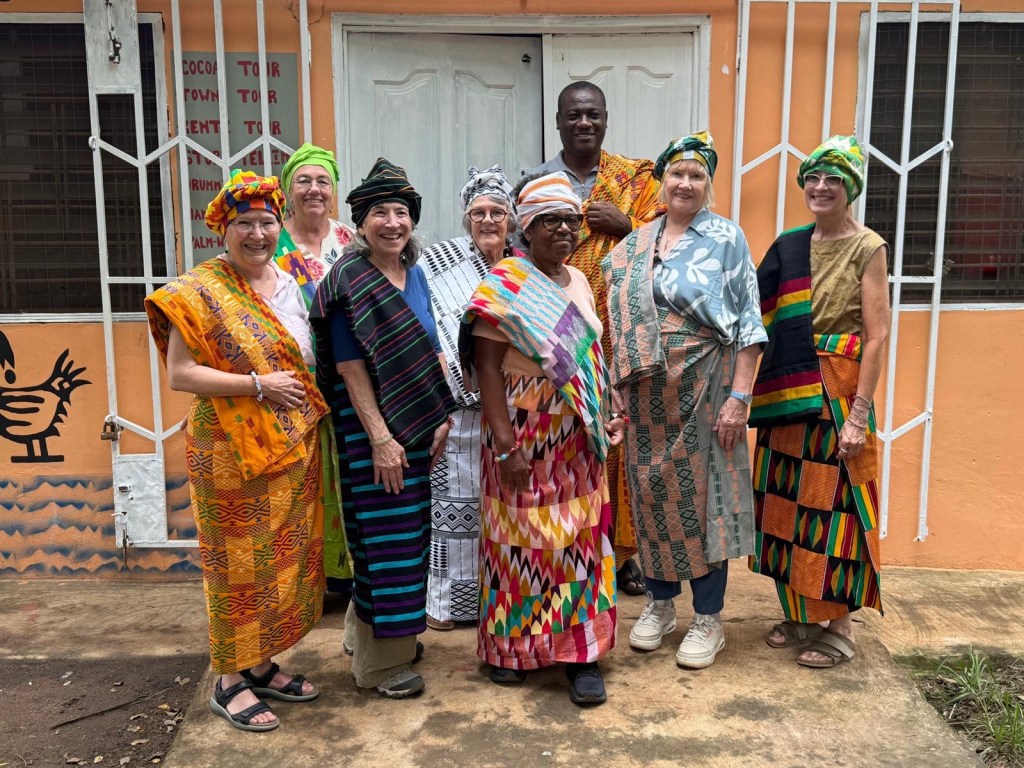
Before leaving the village, we were once again wrapped, this time, in royal Kente garb. Even our guide Wisdom joined in.
Following our Kente experience, we stopped to learn another Ashanti craft, Adinkra printing. The small village of Ntonso is regarded for its traditional printmaking craftsmanship.
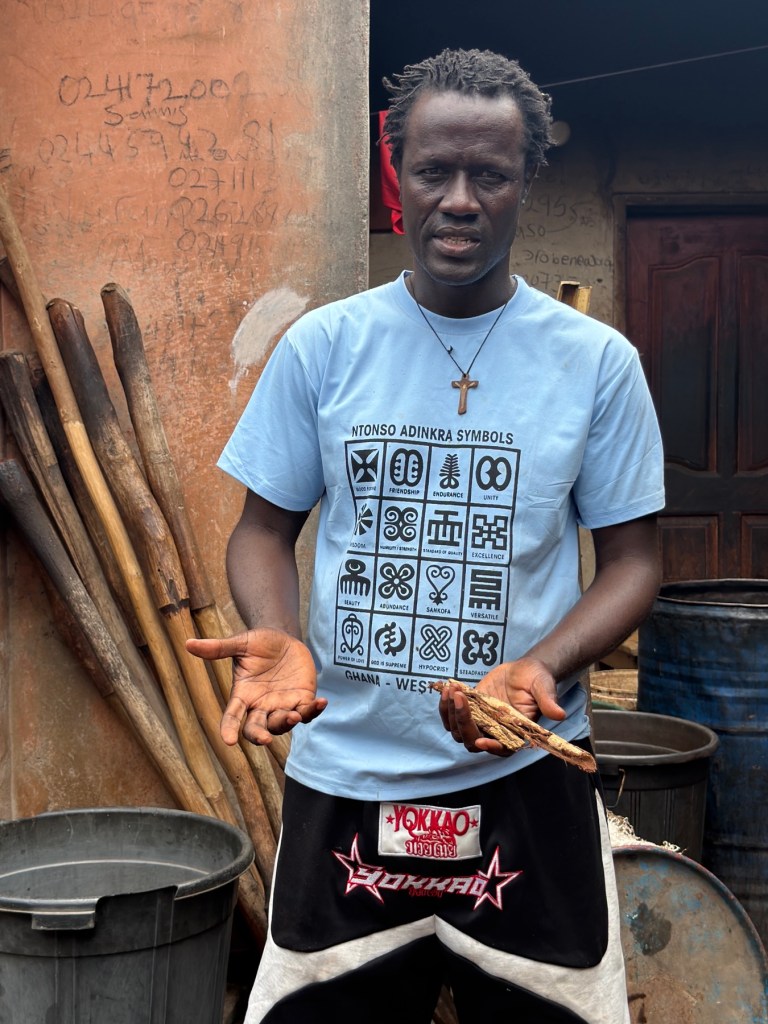
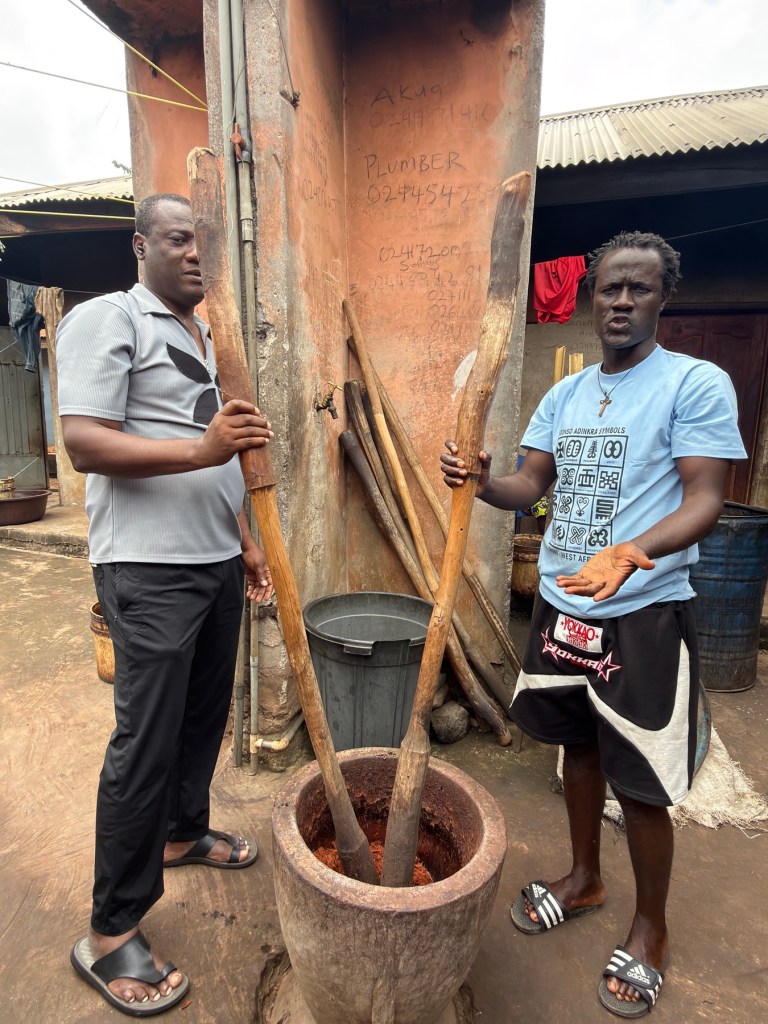
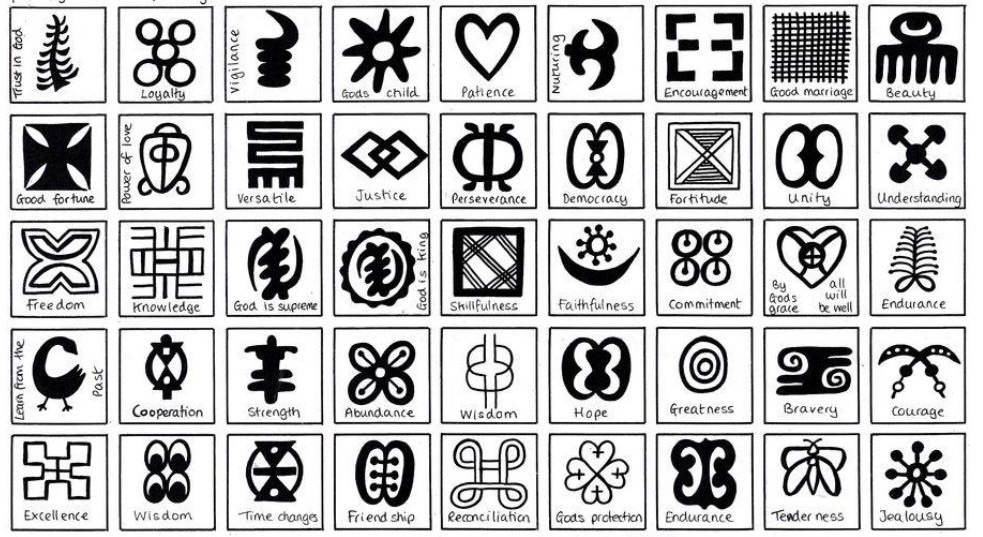
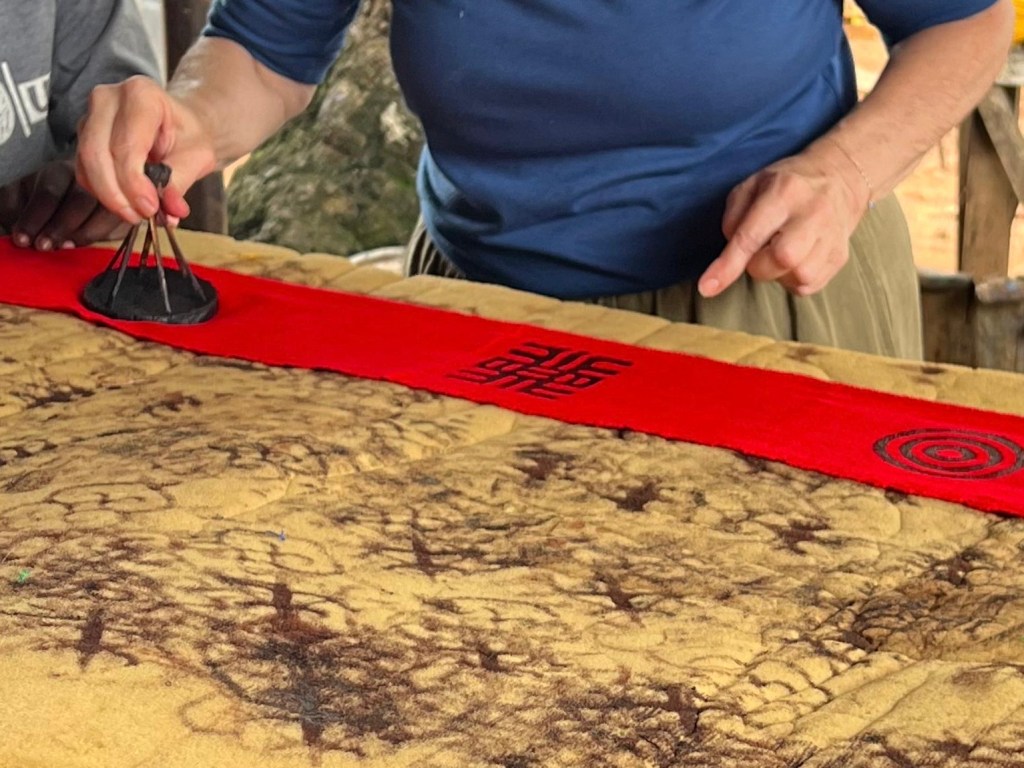
We learned the traditional ink making process from tree bark to black ink. Then we picked a few Adinkra symbol stamps made by carving calabash. Each symbol represent Ashanti philosophy, leadership, spirituality and everyday life.
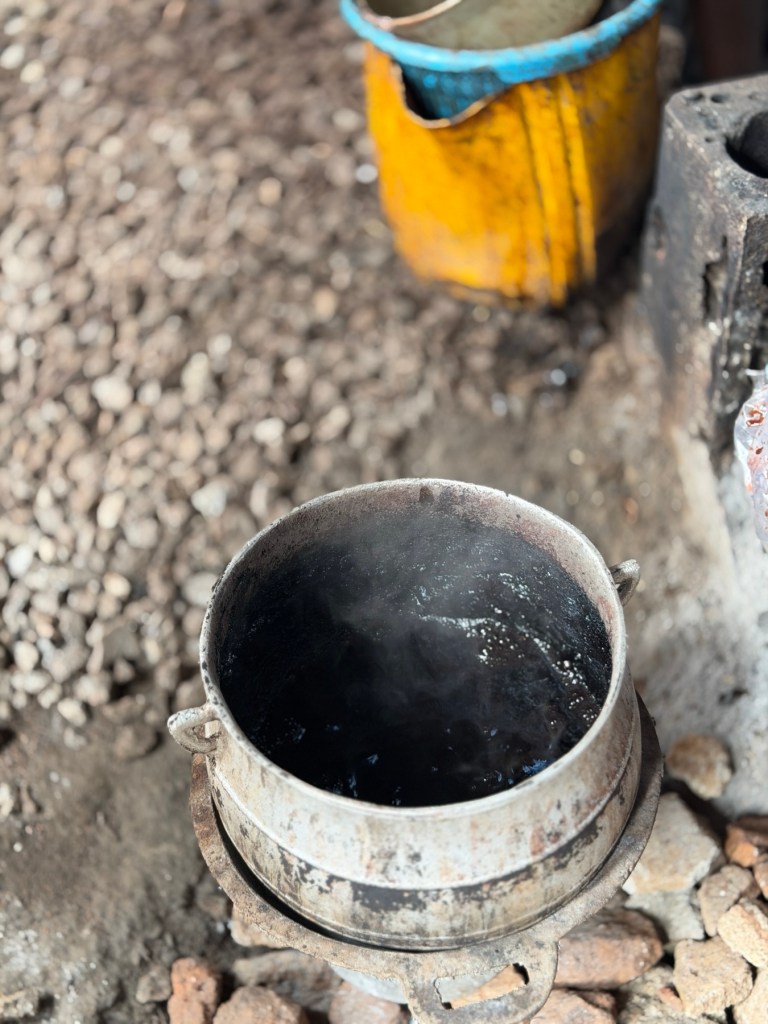
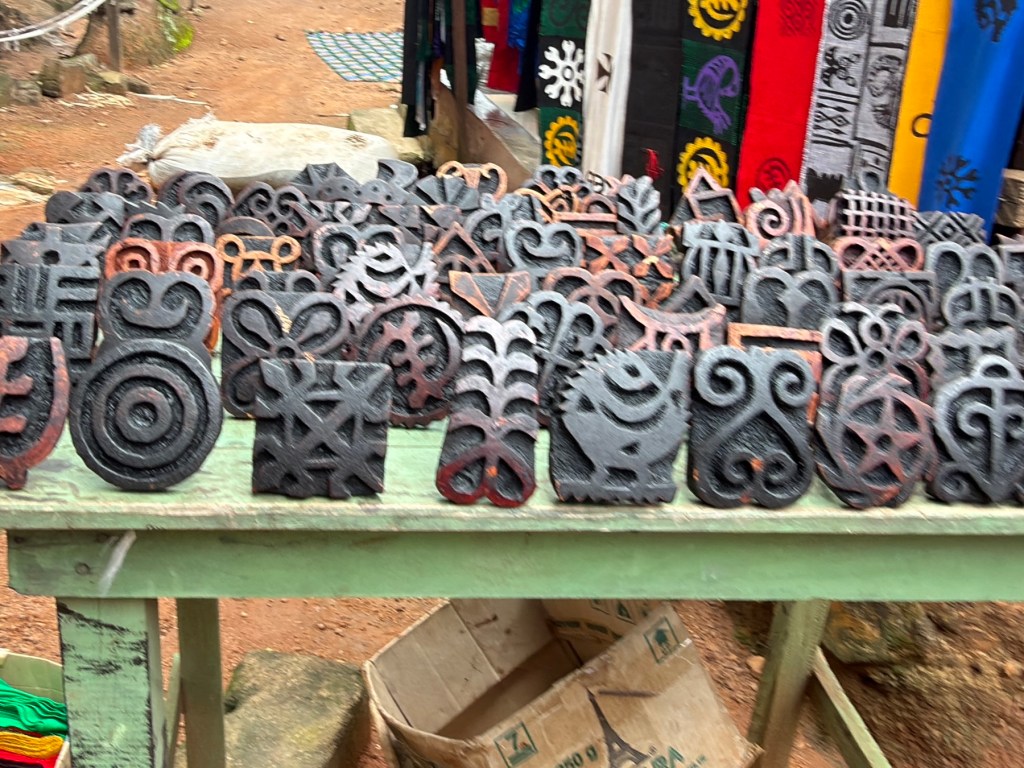
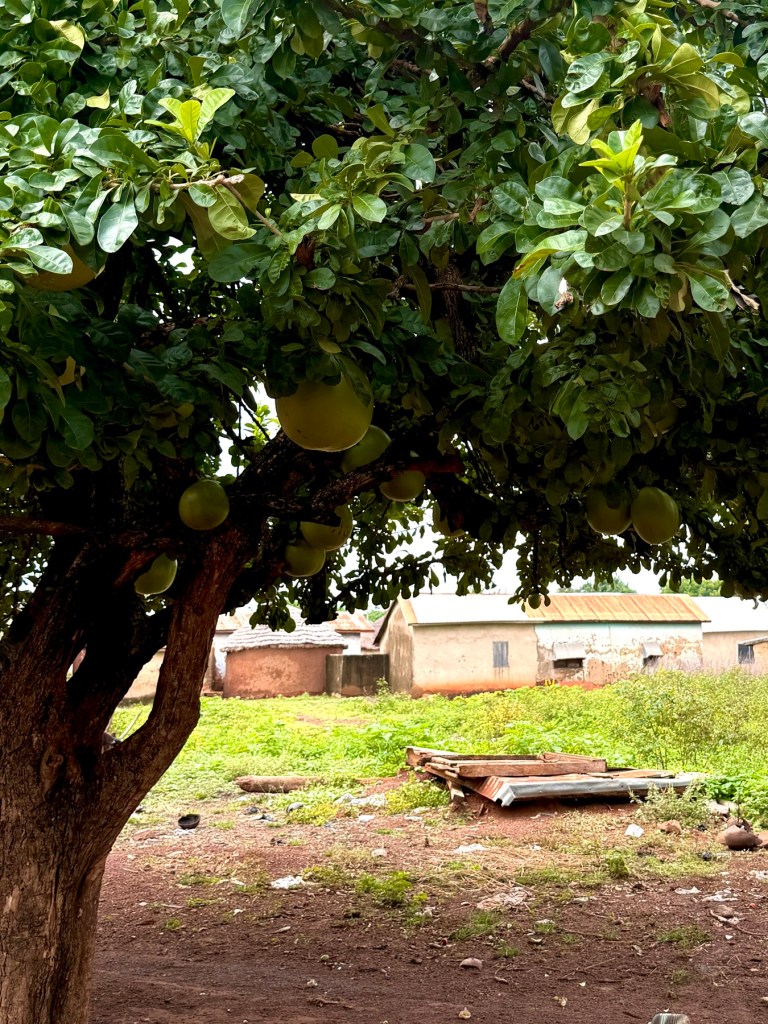
On hand loomed fabric, with freshly made ink, we stamped away. I chose “leadership” mostly because I love concentric circles and “what you do not know can be learned” also because I liked the design.
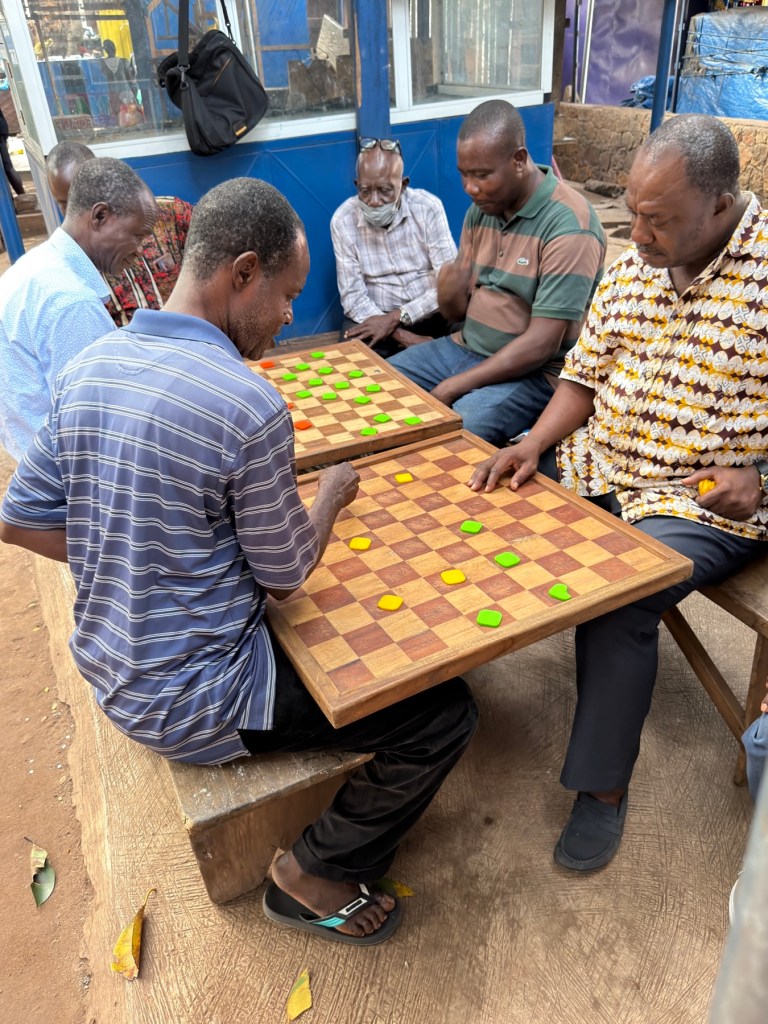
Pumped up from a great learning experience we weaved through the vendor stalls and small alleys near our hotel. Invited by a wave, we cheered on a game of square checkers.
The thread of each person weaves the fabric of the Ashanti, a colorful and strong community.


still enjoying your trip and all the photos!!!! amazing. xxxx jane
LikeLike