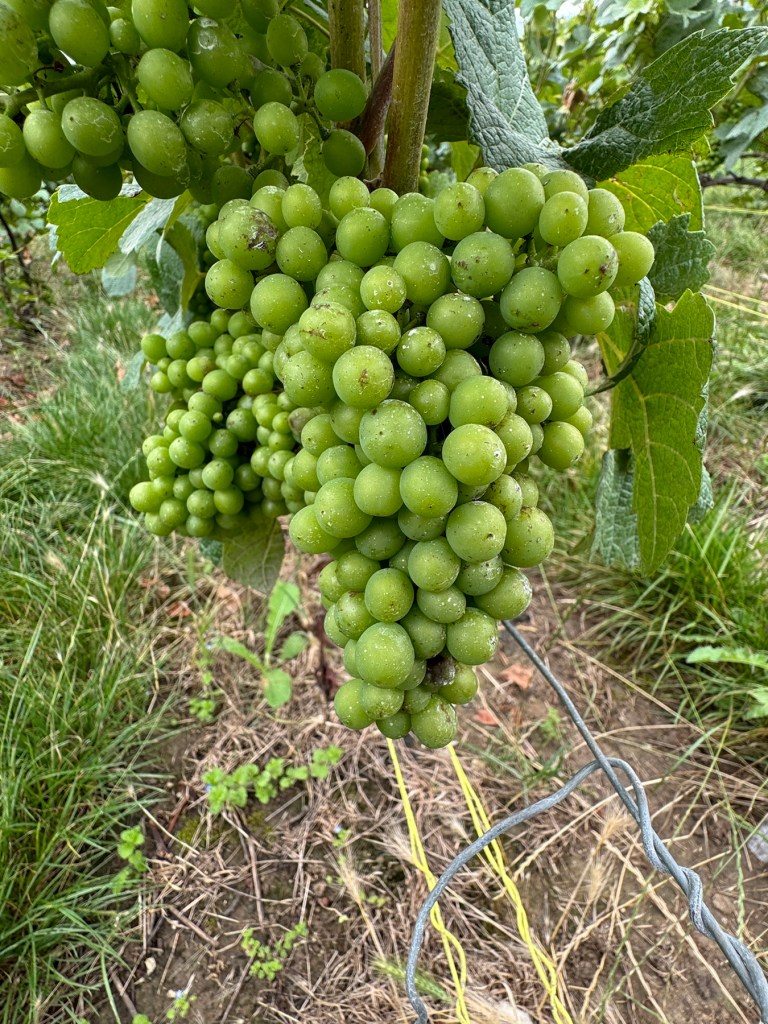
While in Reims we toured two Champagne houses; Marie Senellart and Ruinart. Each tour was an informative, educational, and tasty experience. The first tour was with a large independent producer. Our guide and owner, Sophie, drove us about twenty minutes outside of Reims to the vineyards of Saint Lie above the town of Villedommange. On our route she explained that the biggest producers all buy grapes from the small vineyards and that the small producers are mostly in cooperatives which regulate the sale of their grapes to the big brands. There are many regulations to define champagne including the fact that all the grapes must be hand harvested; if a machine harvests the grapes it is a ‘sparkling wine’. Sophie brought us to an amazing view of the champagne valley where we tried our skills at tying vines to wires; we learned the three grapes used for champagne (Chardonnay, Pinot Noir and Pinot Meunier) and we drank a glass of 2015 vintage. Drinking amongst the grapes was a sparkling experience.



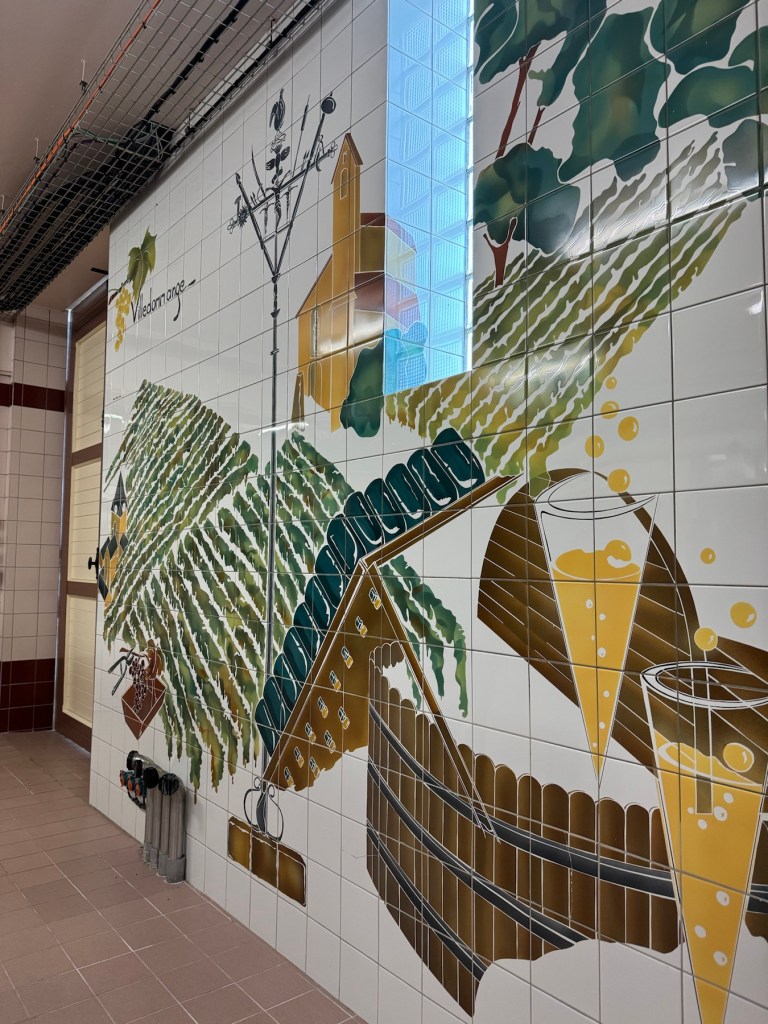
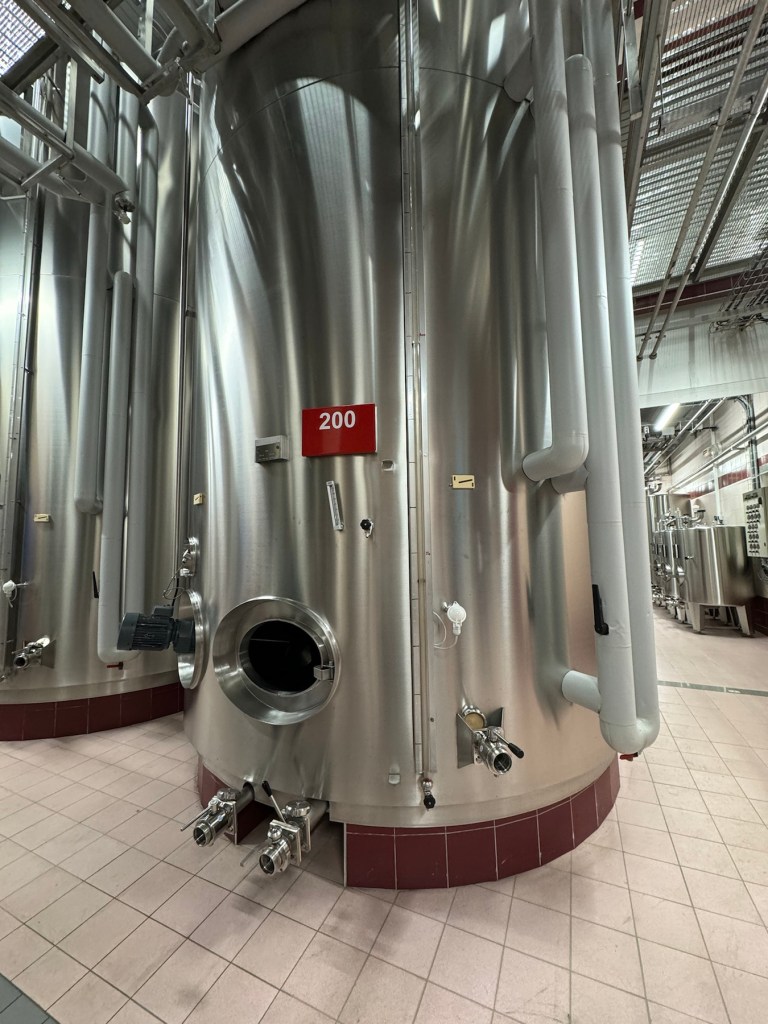
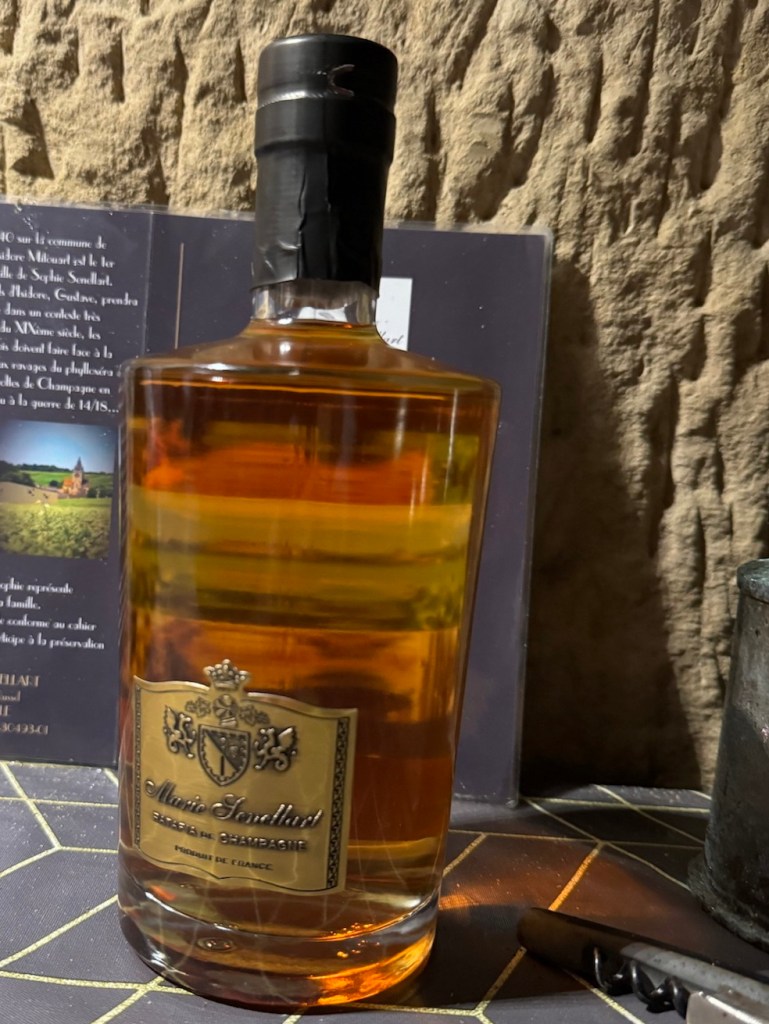
The cooperative building houses all aspects of champagne production including the weighing of the grapes, the pressing, fermenting, bottling and storing. We then went into Sophie’s family’s chalk cave cellar where she stores her special vintage and a champagne liqueur called Ratafia (similar to sherry or port). Finally, there was a tasting of four different champagnes with food pairings; We used all of our senses to enjoy each champagne. Marie Senellart brand produces about three thousand bottles per year with mostly local marketing and distribution; it is not likely we will find it at home. Our new knowledge of champagne terms and blends will be helpful as we continue our bubbly tour of the region.

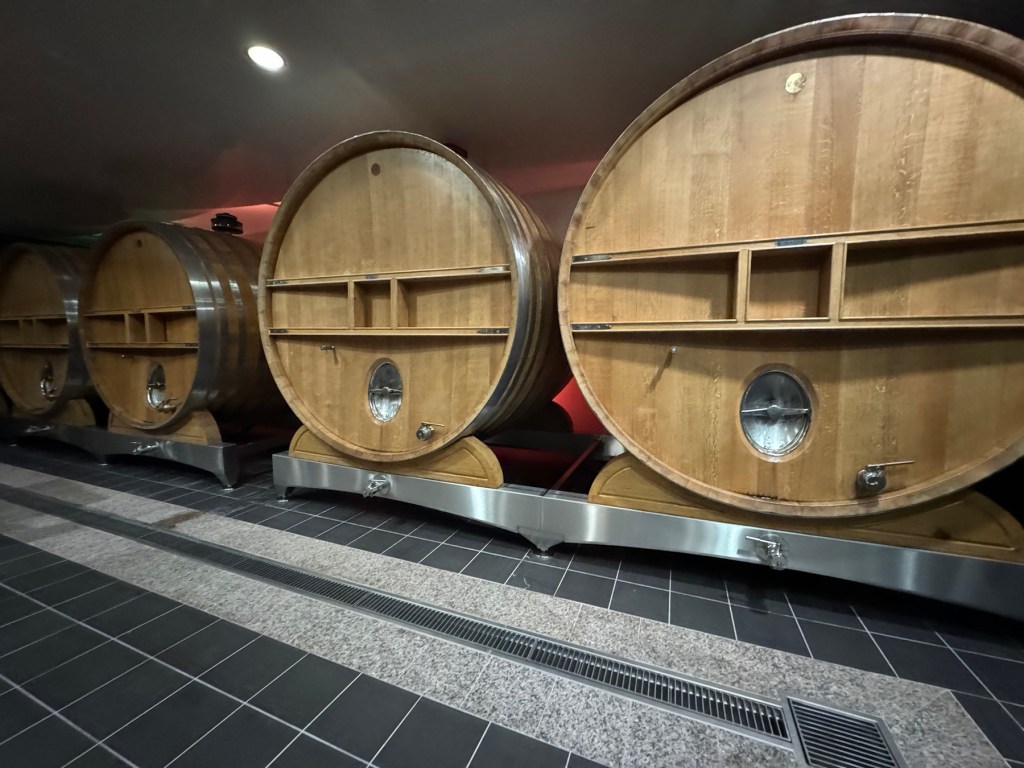



Ruinart is the oldest brand of glass bottled champagne. This fun fact was brought to our attention along with a full history of the company which began in 1729 by the entrepreneur Nicolas Ruinart. In comparison to Marie Senellart’s 3,000 bottles per year, Riuanart produces one million bottles per year. Our guide said they are the smallest of the big houses with Moët Chandon and Veuve Clicquot as the largest annual producers of champagne (more than 28 million bottles annually). This house famously makes a Blanc de Blanc (all Chardonnay grapes) champagne along with Rosé blended champagnes. We toured their art gallery, the production area and their UNESCO heritage site chalk caves which are 130 feet deep. These enormous crayère’s are the perfect temperature to age the champange. The most exclusive of the vintage is turned (riddled) by hand by one skilled man who must turn close to 90,000 bottles each year. He does this by candlelight (any other light can affect the color and taste of the champagne).
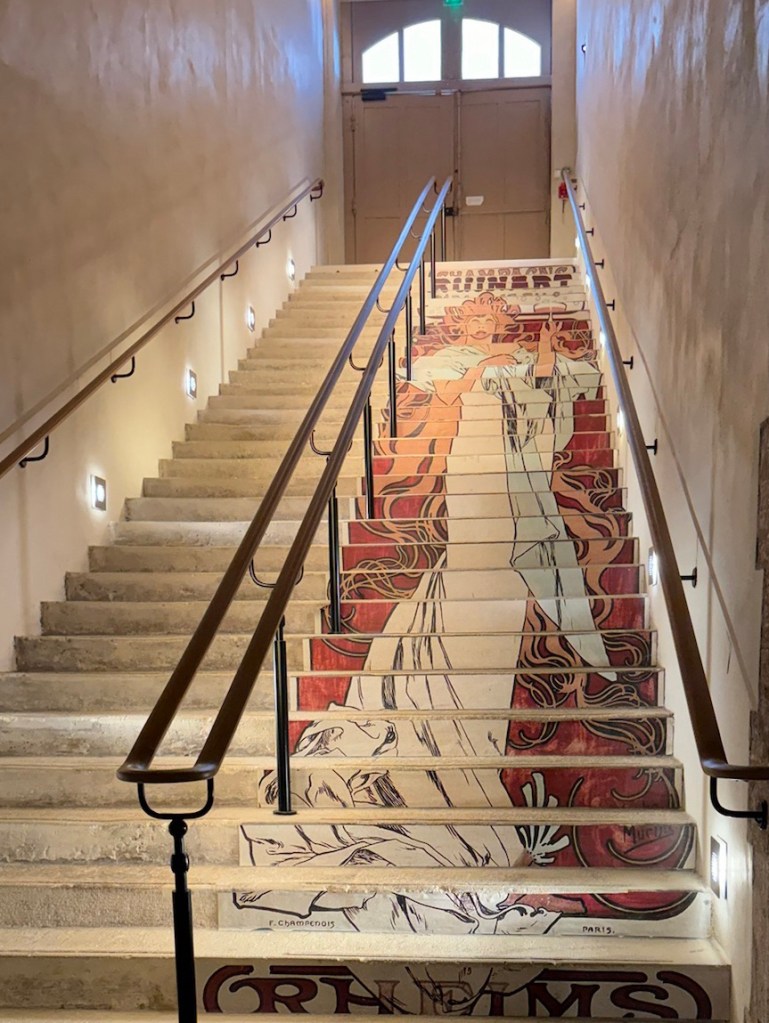
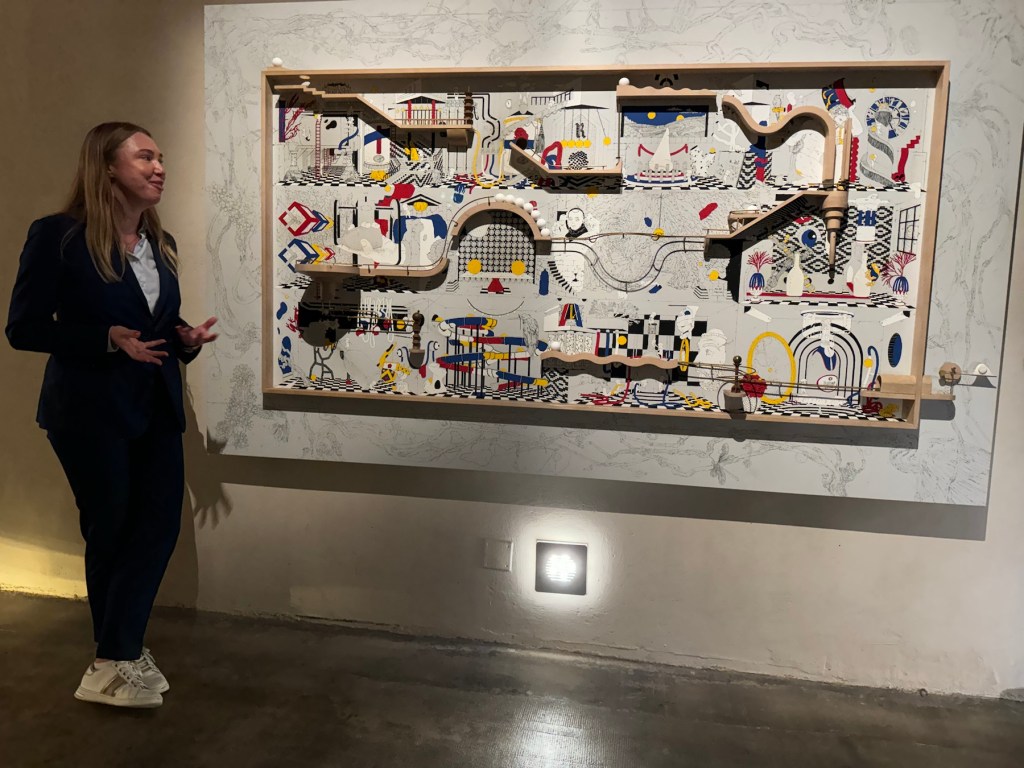

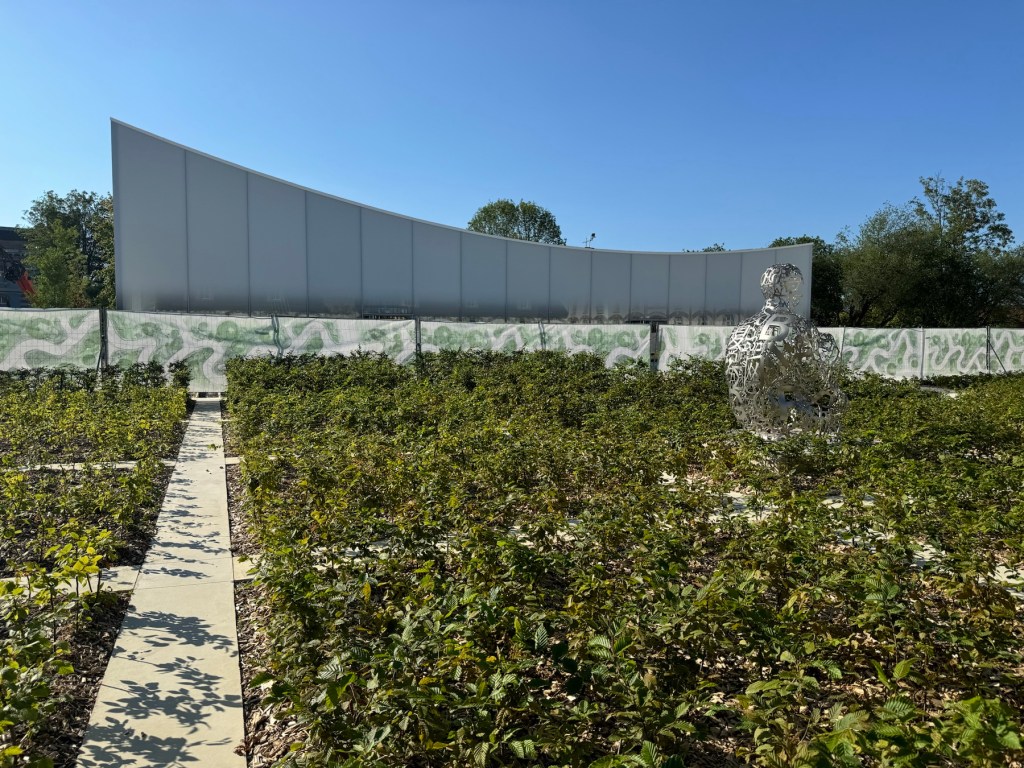
Our taste test here was both Blanc de Blanc and Rosé vintage and non vintage champagnes. We enjoyed comparing their color and their taste. Our guide reinforced that each champagne house has a unique perspective on bubble size and flavor and there are a wide variety of choices available to the consumer; there are no bad champagnes. Ruinart is in the process of preparing for its 300th anniversary with a new building, more art projects and anniversary bottles; it should be quite a spectacle in 2029.


After many lessons on bubbles, we ventured to a lovely dinner at Le Jardin Brasserie. We took the champagne tasting one step further and enjoyed champagne cocktails along with a multi-course dinner.


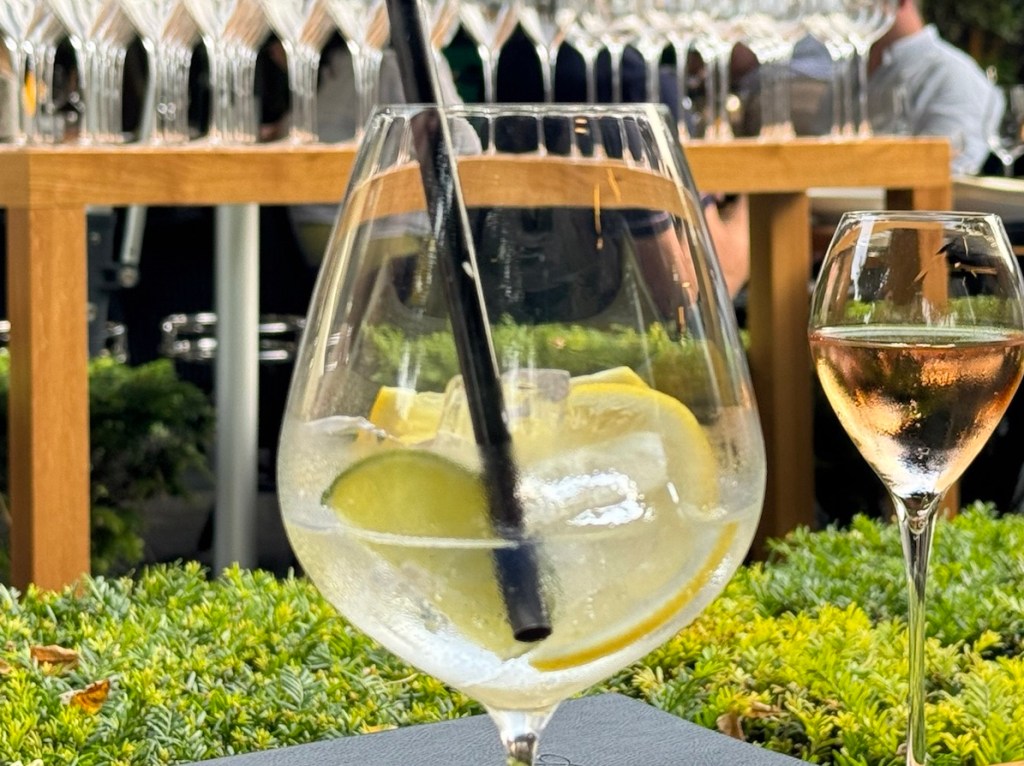


Bubbles bring joy and we certainly are joyous as we fill ourselves with bubbles.

 Where is Wendy