Welp, no warm spring day for us; we woke to snow and wind..
Fortunately, our hotel serves a Taiwanese breakfast of wam congee with sweet potatoes and other locally grown vegetables. Plus a side of veggie dumplings and pickled radishes. It was delicious and fortifying.
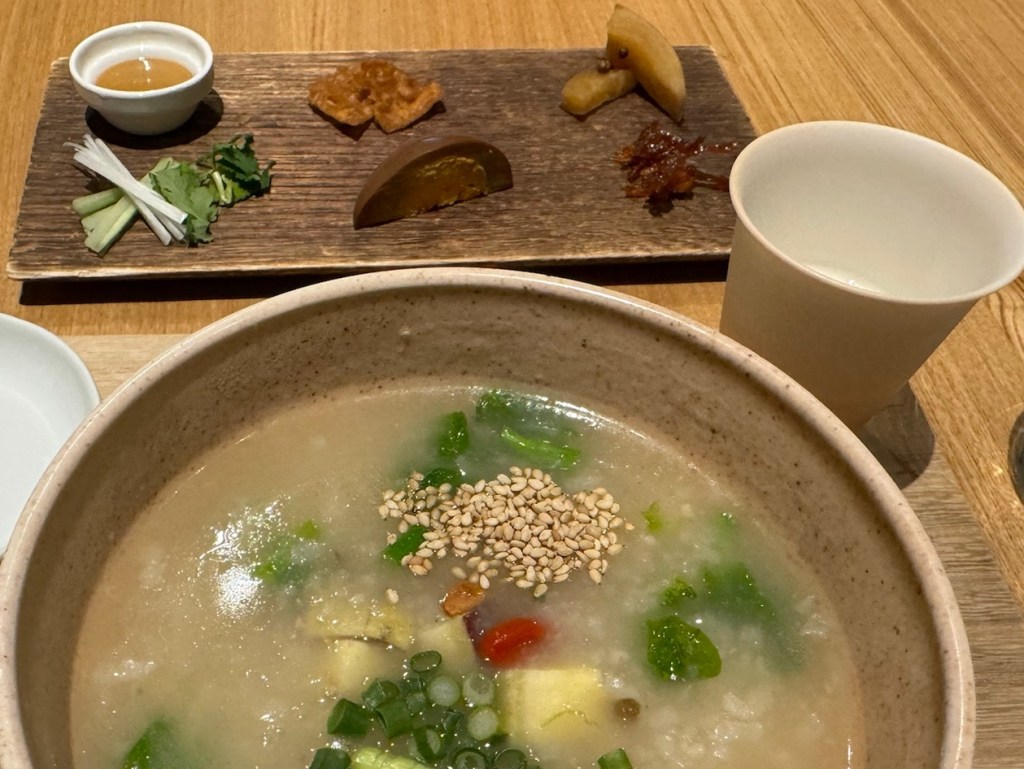
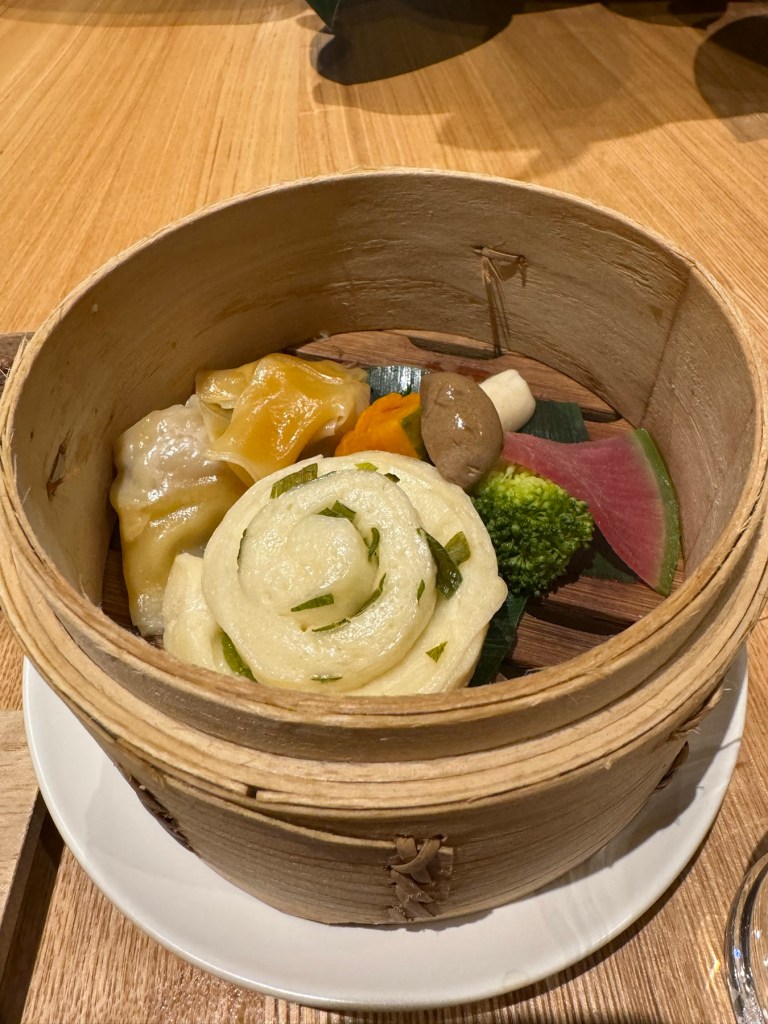
We donned our warmest clothes and headed out to explore Kanazawa. It is both a beautiful and historic Japanese city that lies just below the entrance to the Noto Peninsula, bordered by the Sea of Japan to the west and the Japanese Alps to the east.
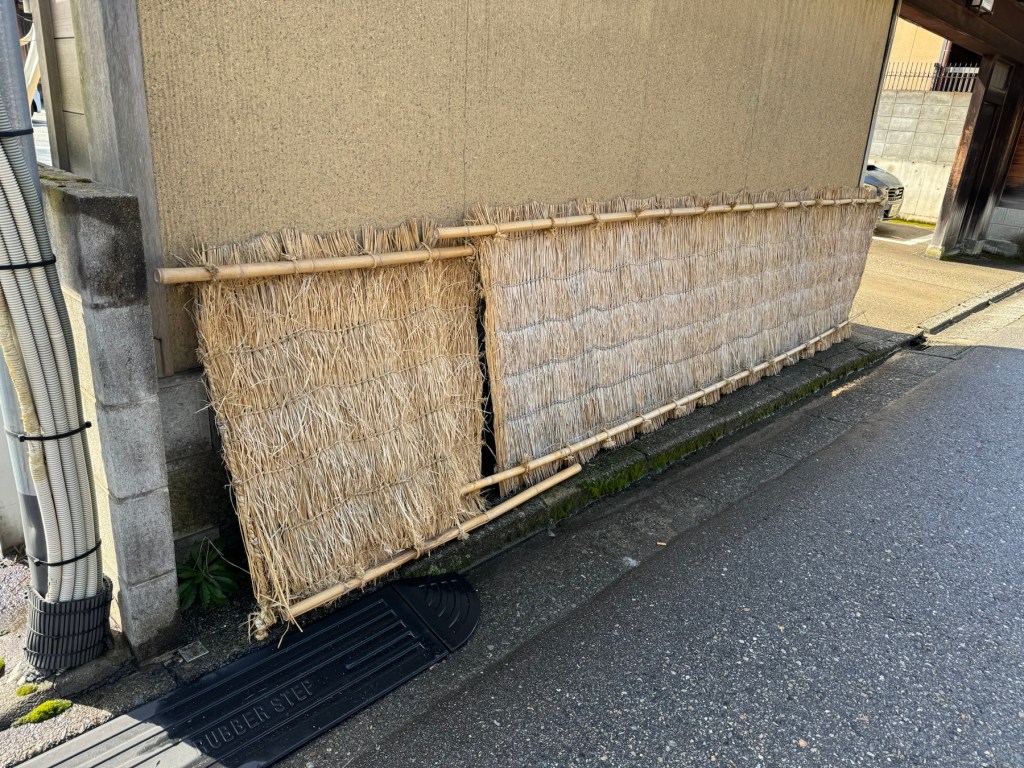
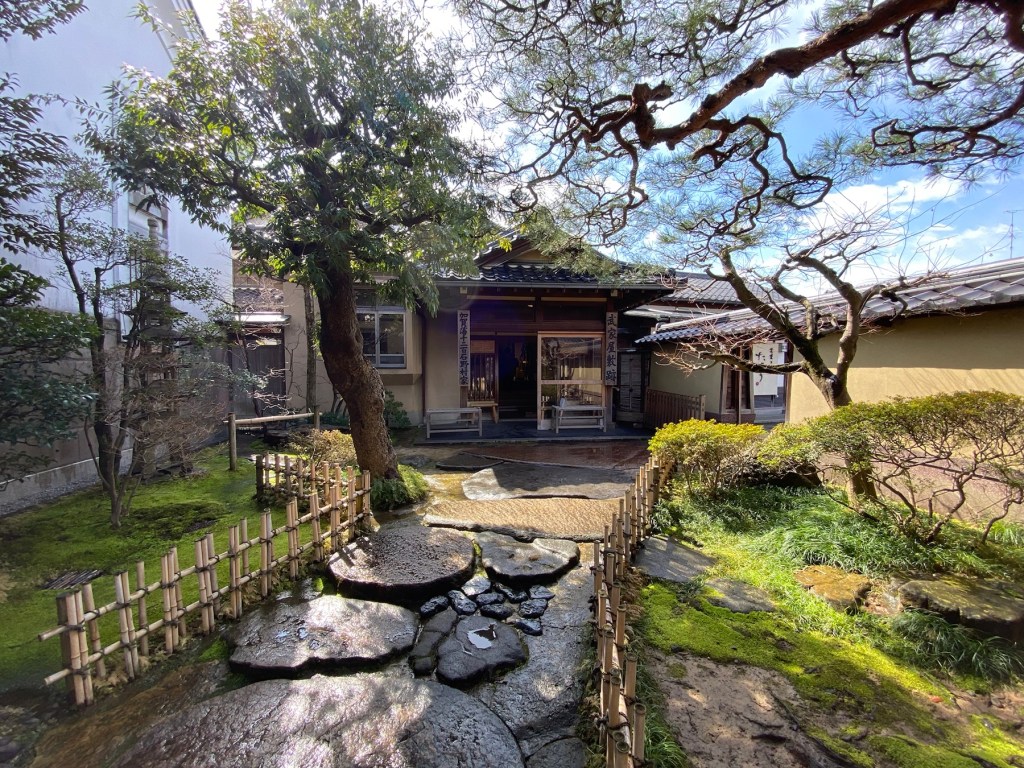
Our first stop was the Samurai district (Nagamachi Buke Yashiki). It is the only samurai district still in Japan. As we arrived, the snow stopped and the sun appeared! The ancient mud and gravel walls of the homes are covered with shingled roofs to shield them from the elements. In winter, they are protected with straw covers. We witnessed that today.

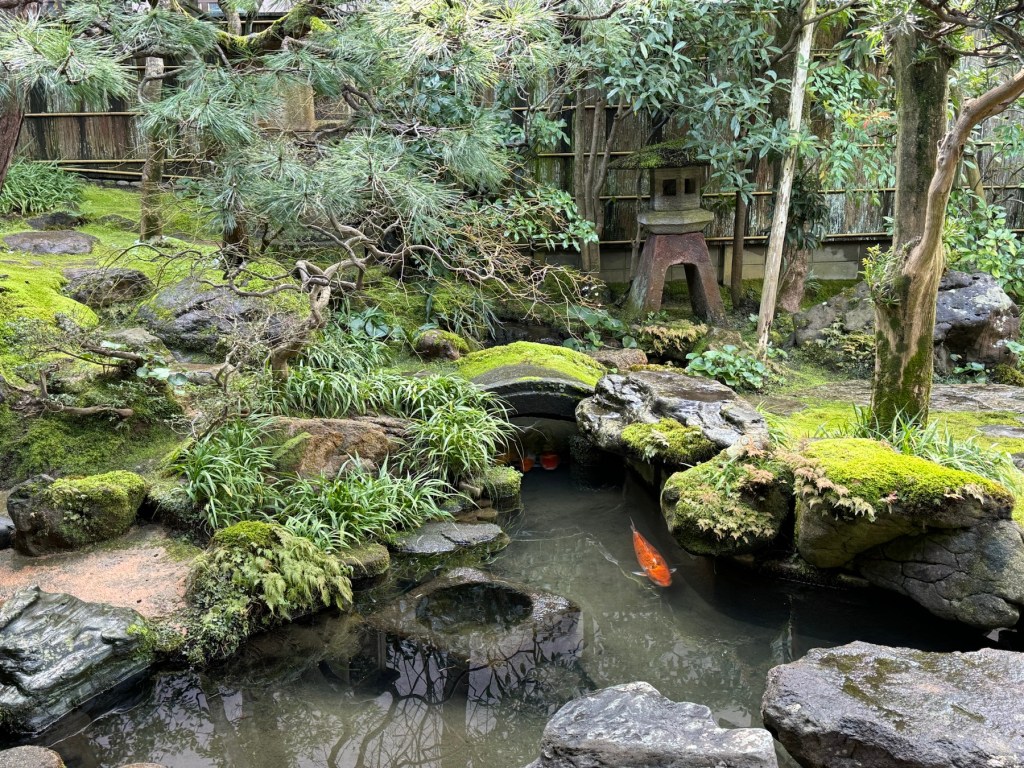
The samurai who flourished in Kanazawa during the Edo Period (1603-1868) were nothing like samurai in the other parts of Japan. They built and lived in beautiful residences surrounded by opulent gardens. They focused on craftsmanship and education. Today, the district is interspersed with newer homes and original structures that have been converted to stores, restaurants and residences.

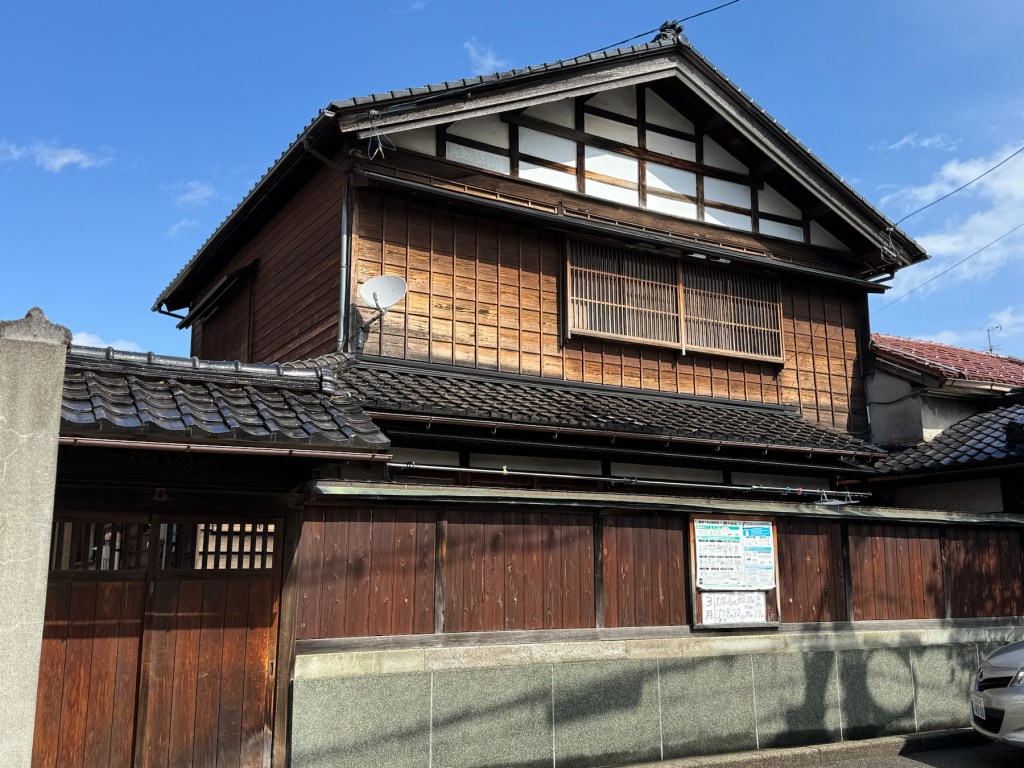
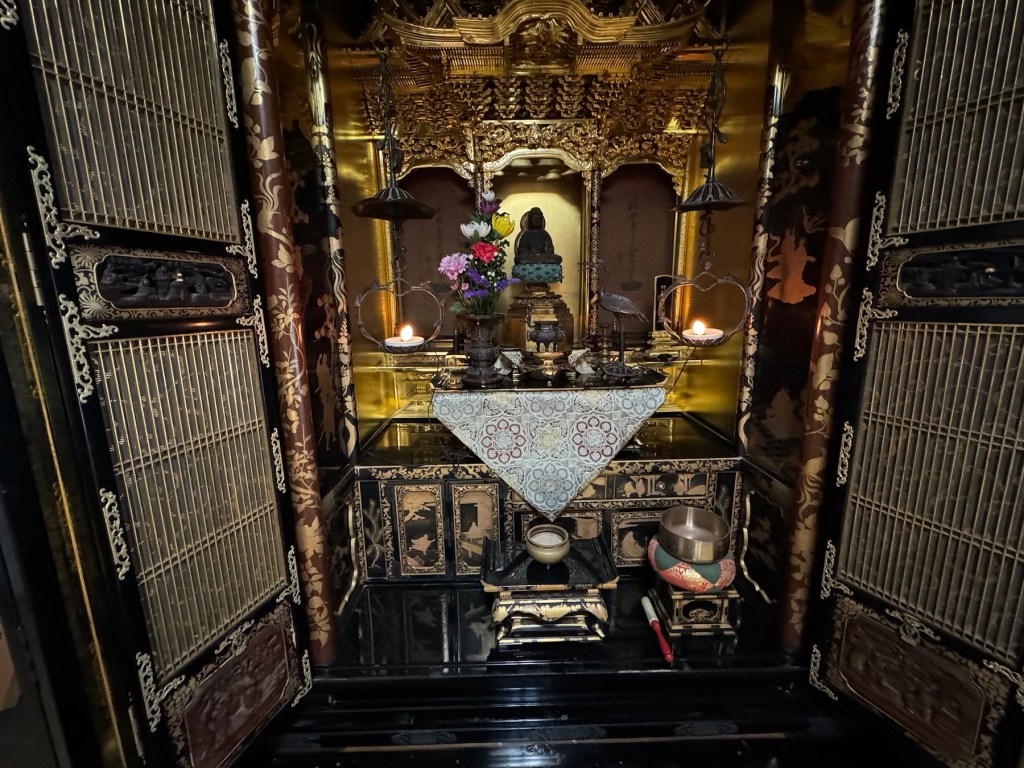
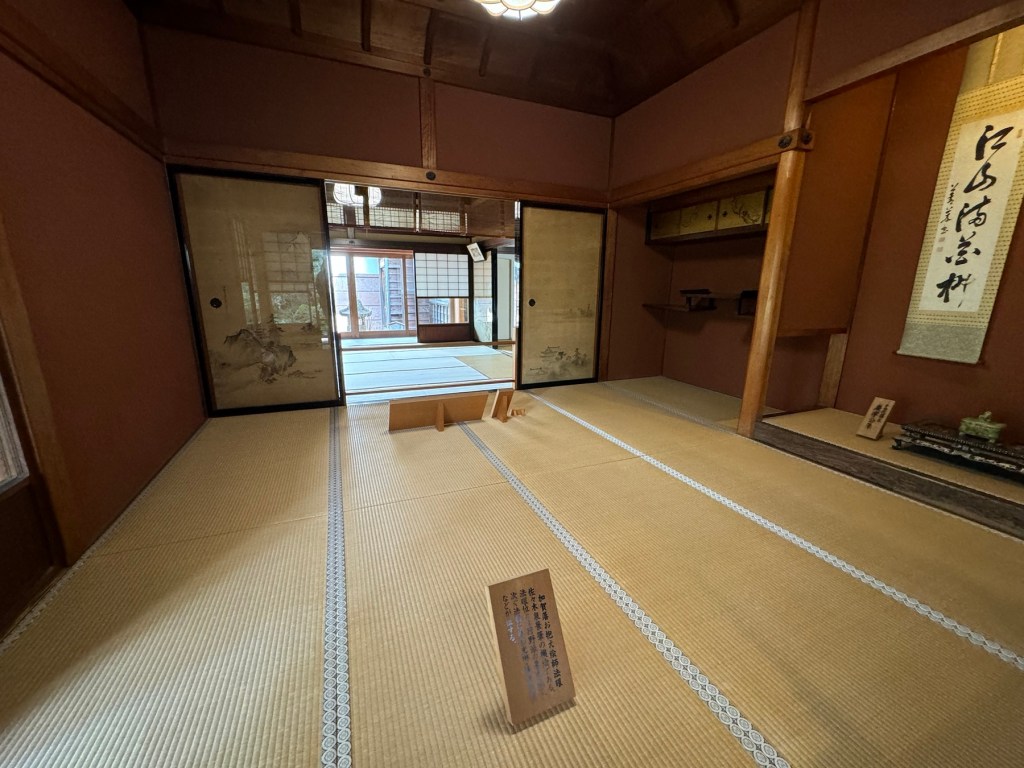
The Nomura Samurai House is an example of the highest ranking samurai’s home and garden.


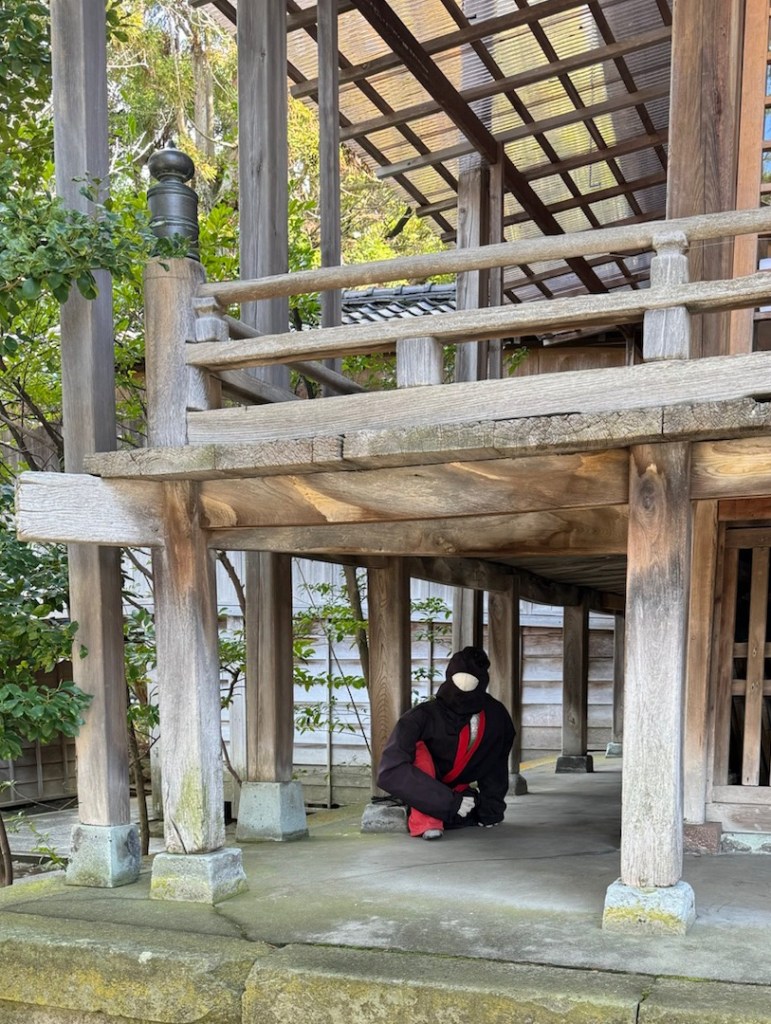
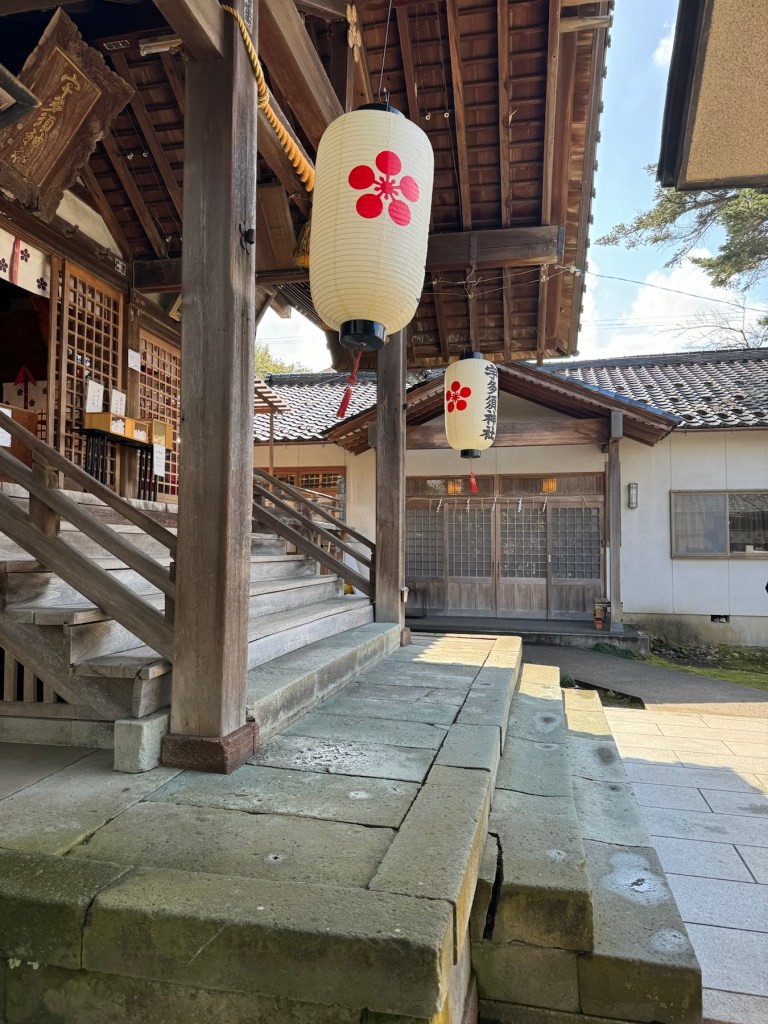
Before heading to the Gold Leaf Museum, we briefly stopped at a temple dedicated to Ninja warriors. Outside, the temple’s appearance only hints at the secret passages and boobytraps inside. It was closed for tours, open for prayers.
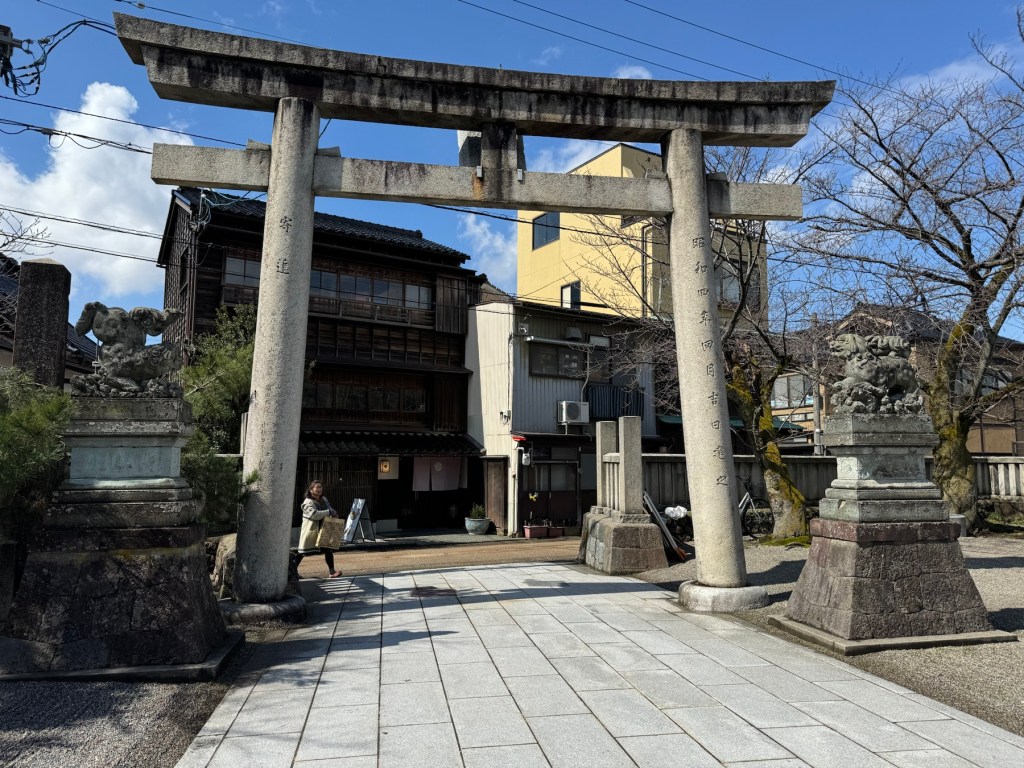
Almost all of gold leaf products in Japan come from Kanazawa. Although it is not clear when the gold leaf production began in Kanazawa, the popular belief is that, in the late 16th Century, the first lord of the Kaga clan, Maeda Toshiie, ordered the production of gold and silver leaves to decorate the spears of his troops.
At the Gold Leaf Museum, which we had entirely to ourselves, we learned about the gold leaf manufacturing process and its uses. An alloy of silver, copper and gold are hammered between paper to create an extremely thin sheet of gold leaf.
The museum is filled with gold beating tools and artistic handicraft articles collected by a famous gold leaf artisan.
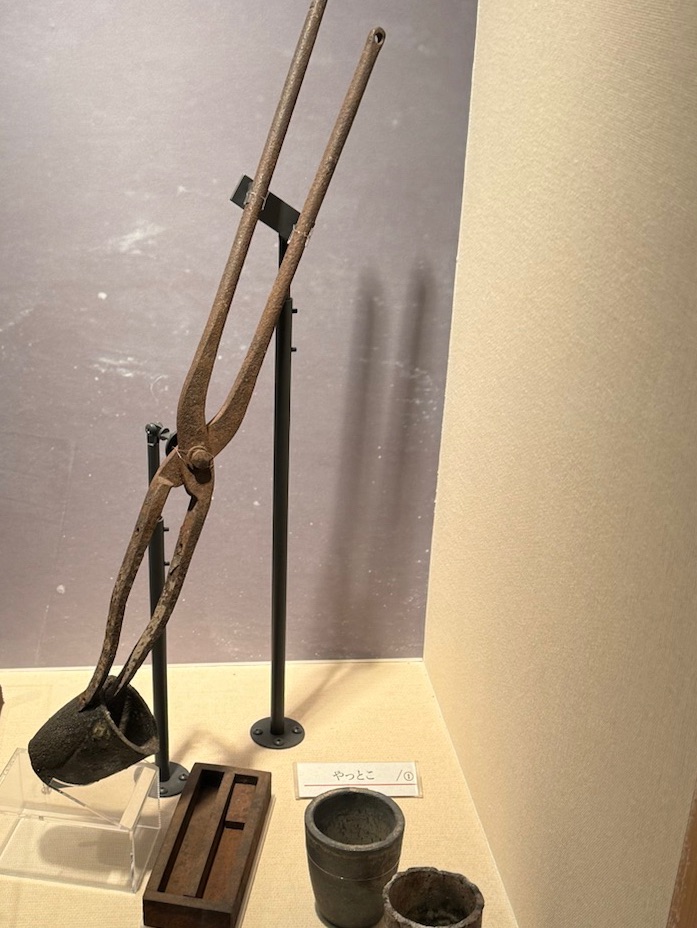
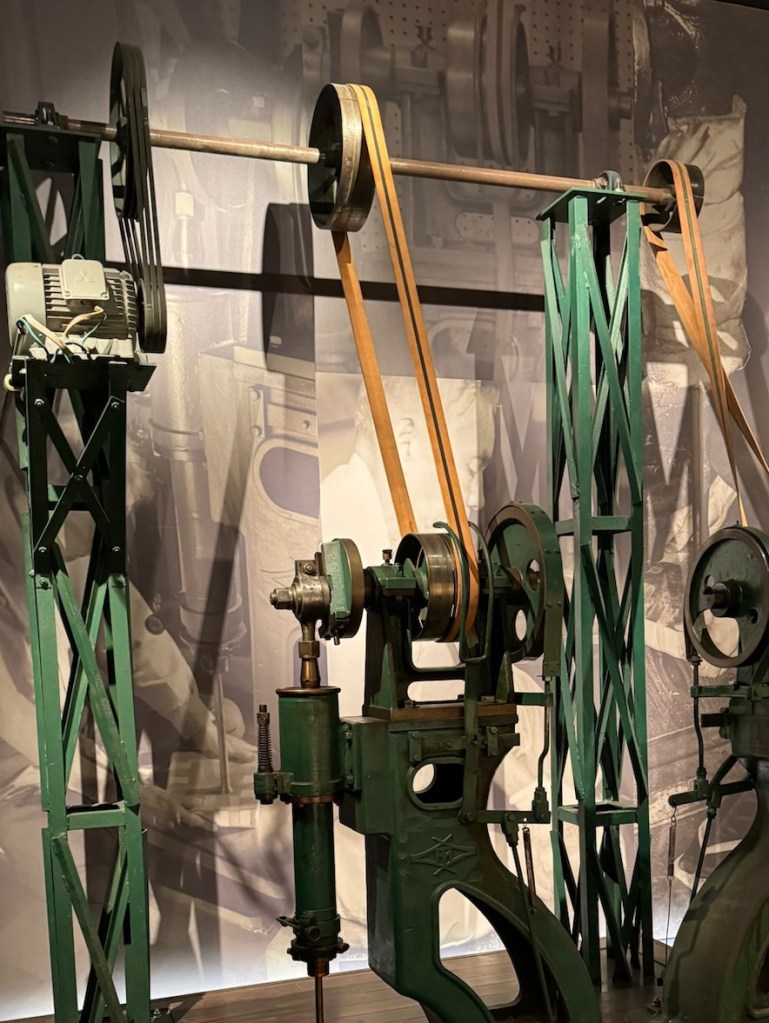
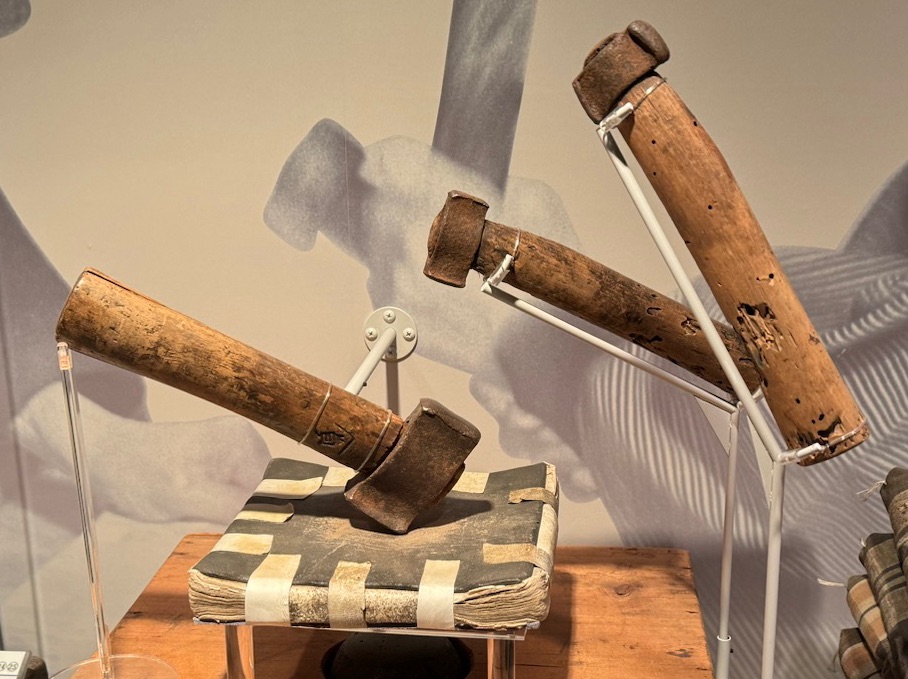
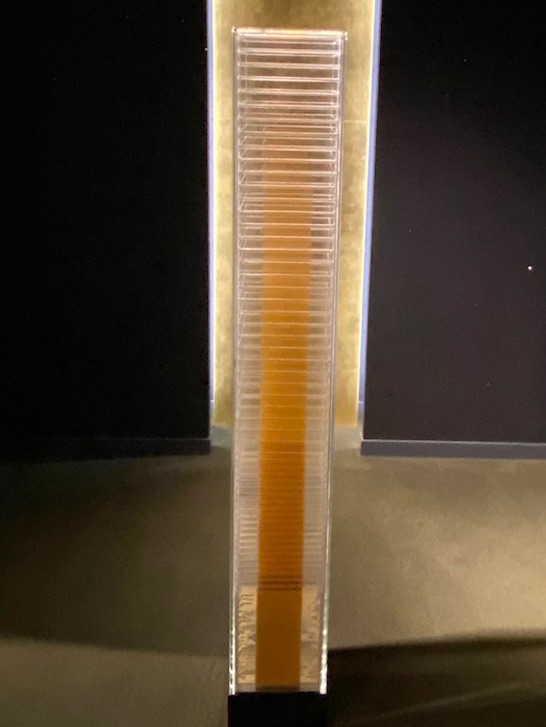
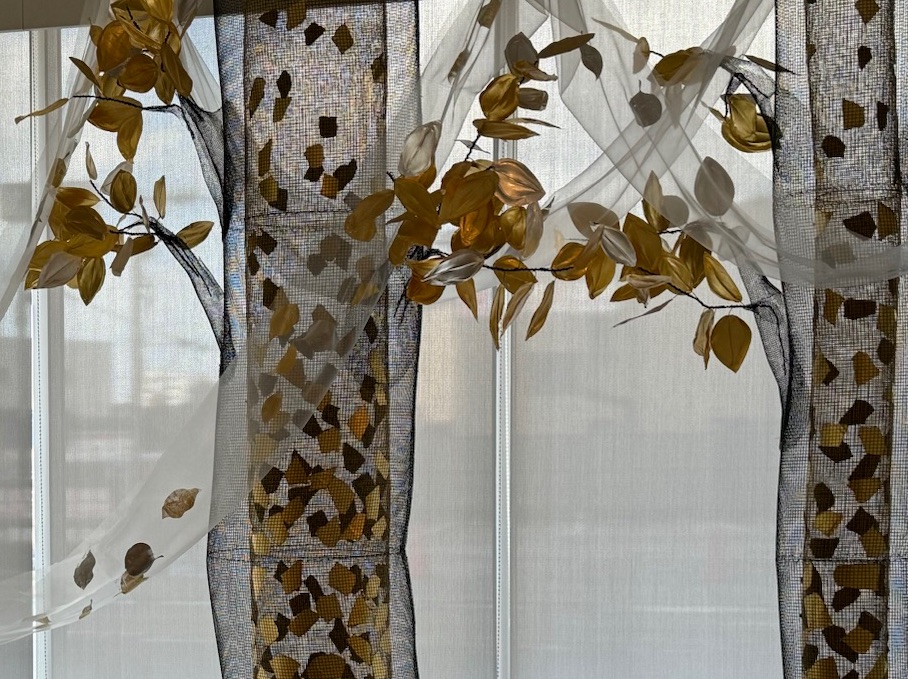


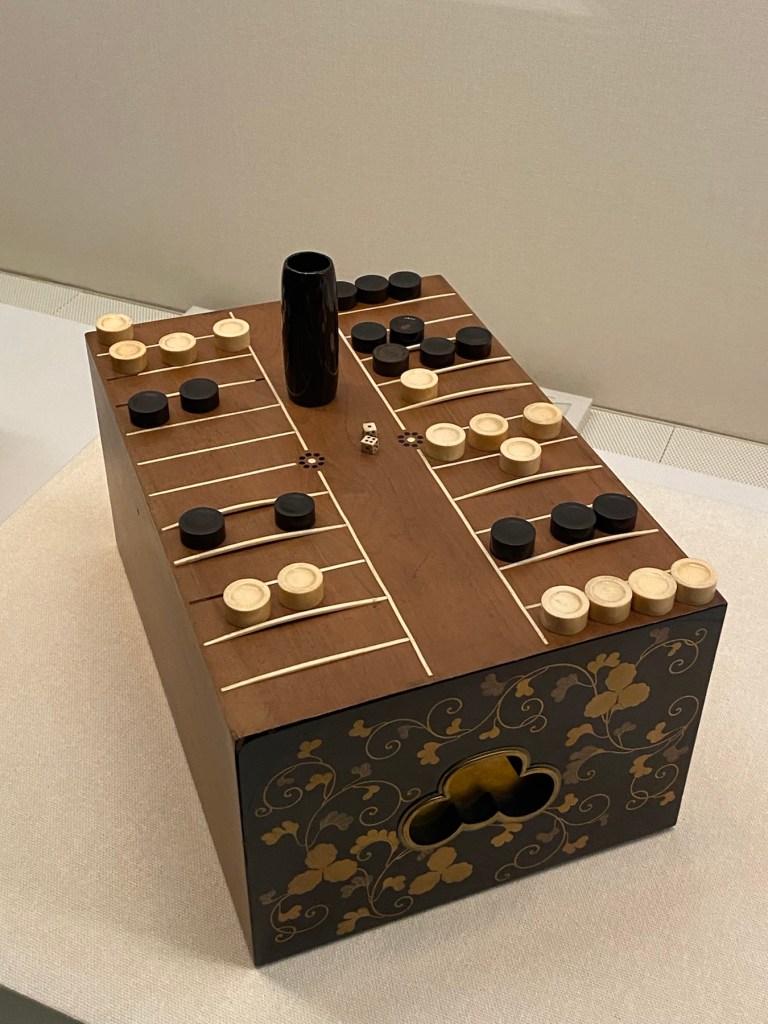
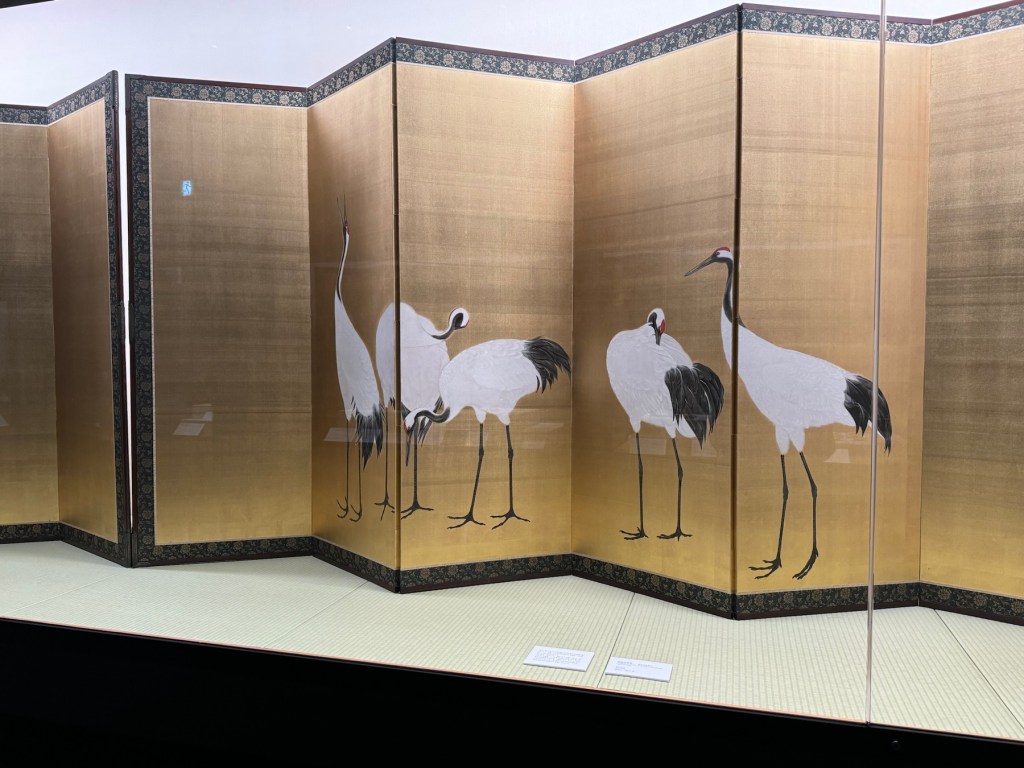
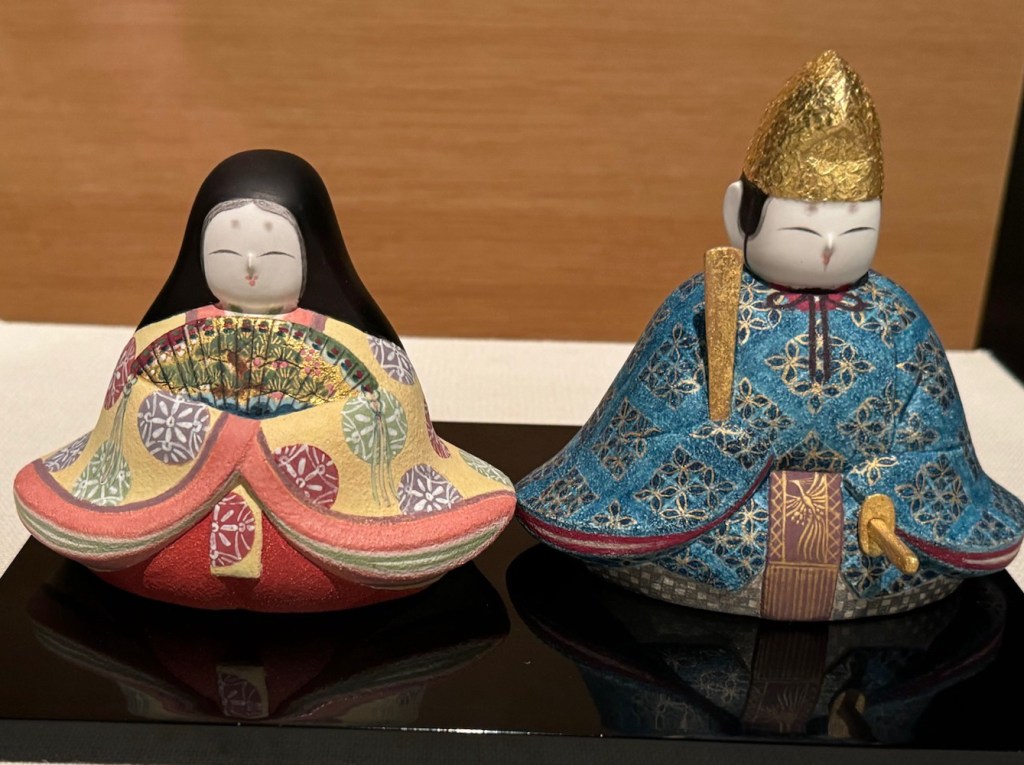
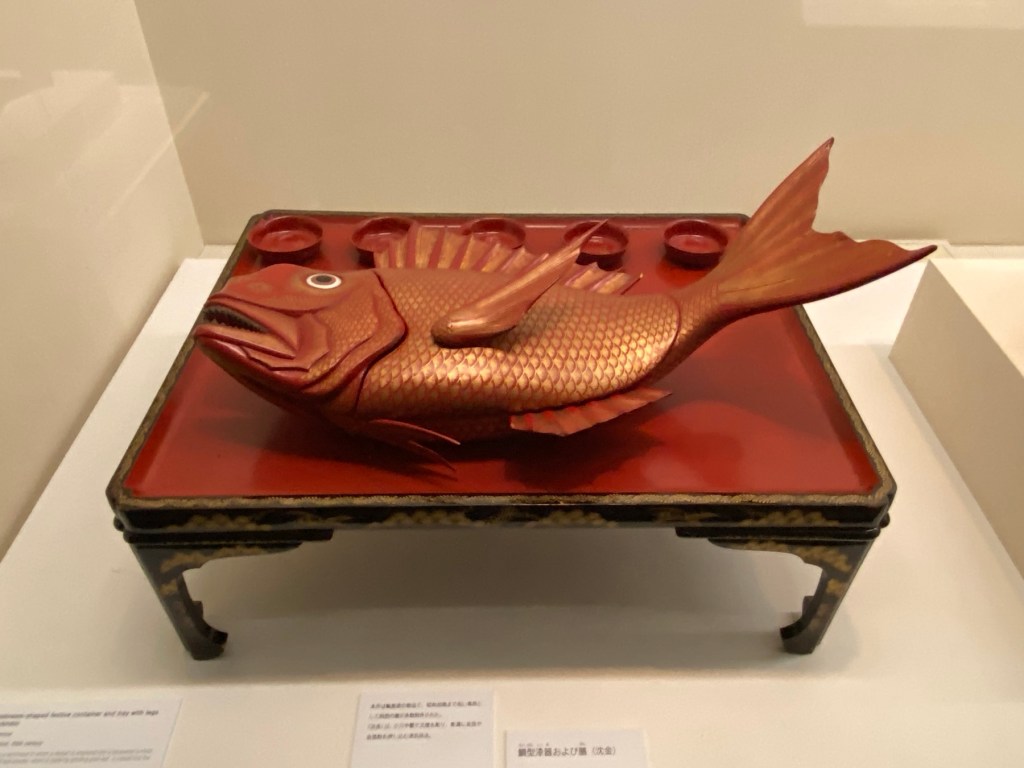
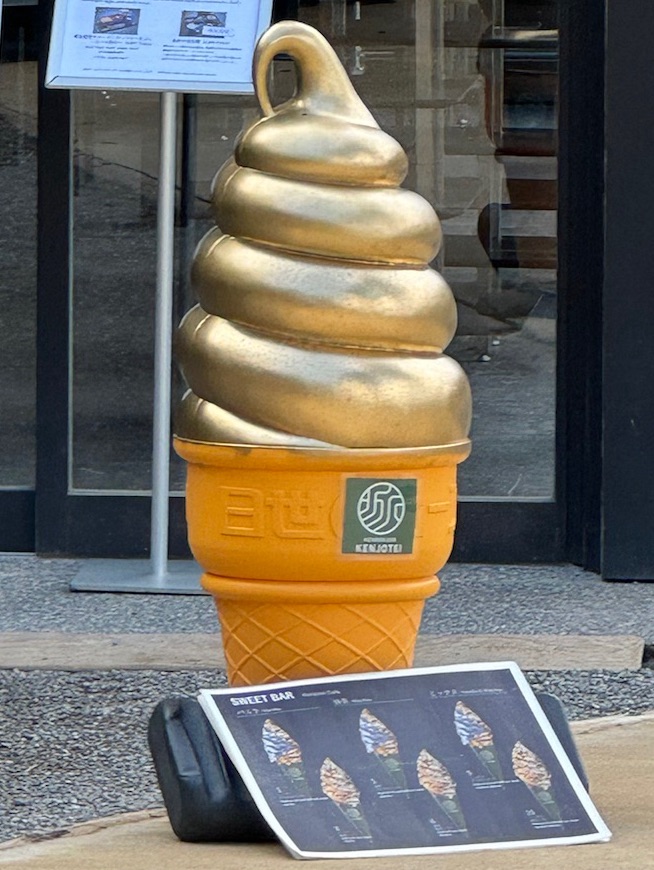
Nothing goes to waste; the leftover flecks and unused scraps of gold leaf are used to adorn food, including ice cream. If it were even a tiny bit warmer and less windy, I would have enjoyed a gold-covered ice cream cone!
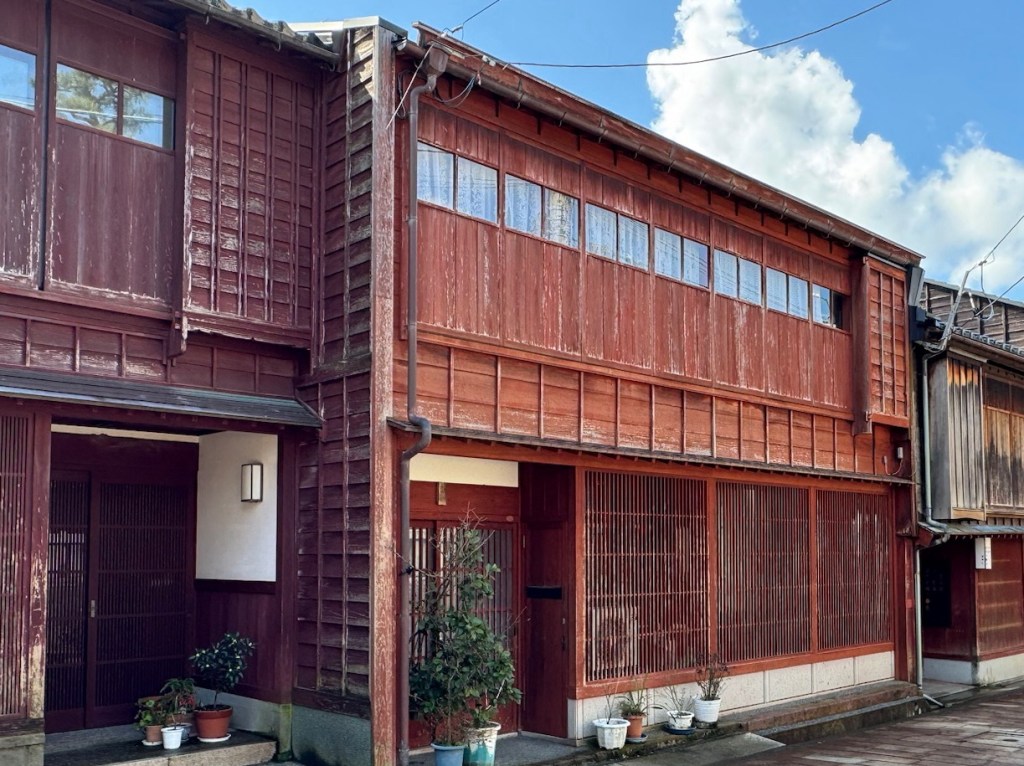
Next, we made our way to the tea house/geisha district (Higashiyama Chaya). Chaya translates to tea house. This is a picturesque area which lets you step back in time with your imagination. Some of the tea houses are still used by geishas today.
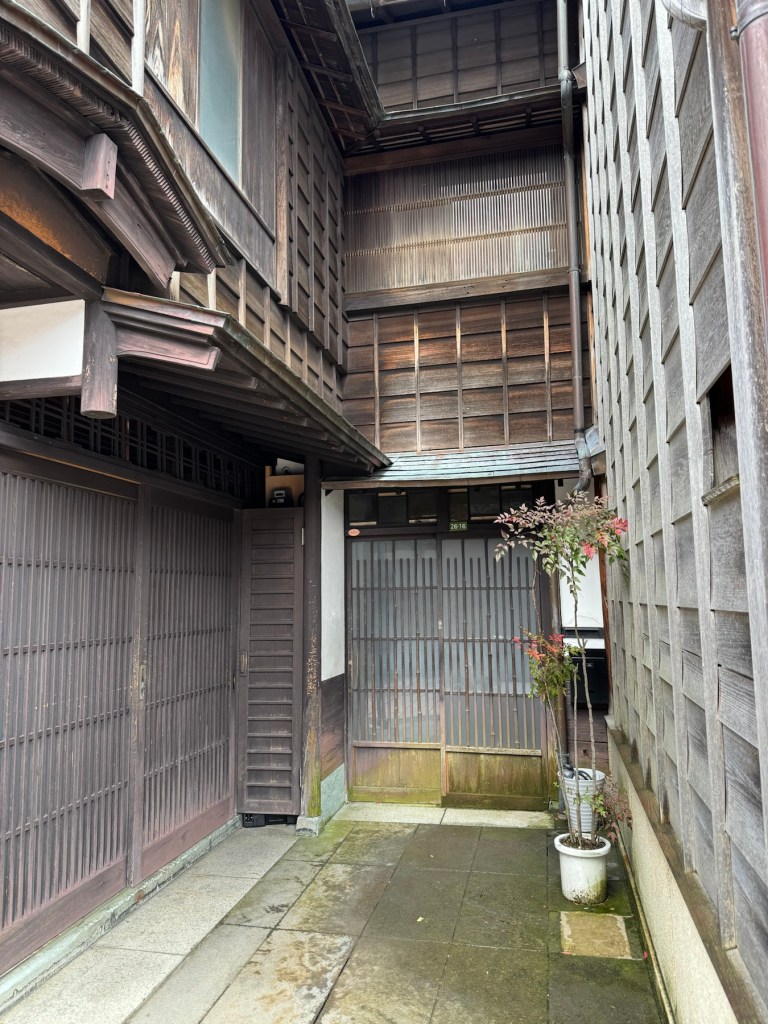
Most of the streets in Higashi Chaya District are lined with wooden two story buildings The upper floors of the buildings are faced with sliding wooden shutters. If a party was happening, the shutters would be open.
The geisha areas were out of bounds to samurai. It was rich merchants and artisans who patronized them. While it is no longer possible to see a samurai, Kanazawa is one of the few places in Japan where geisha still work.
We did not see any geishas, however, when we visited the Shima Tea House which catered to upper class merchants of the Edo Period. The house has a great collection of accessories and musical instruments used at the time. The private quarter of the geisha are located at the front of the house. The mistress kept records in the next room and the guests were all entertained upstairs.
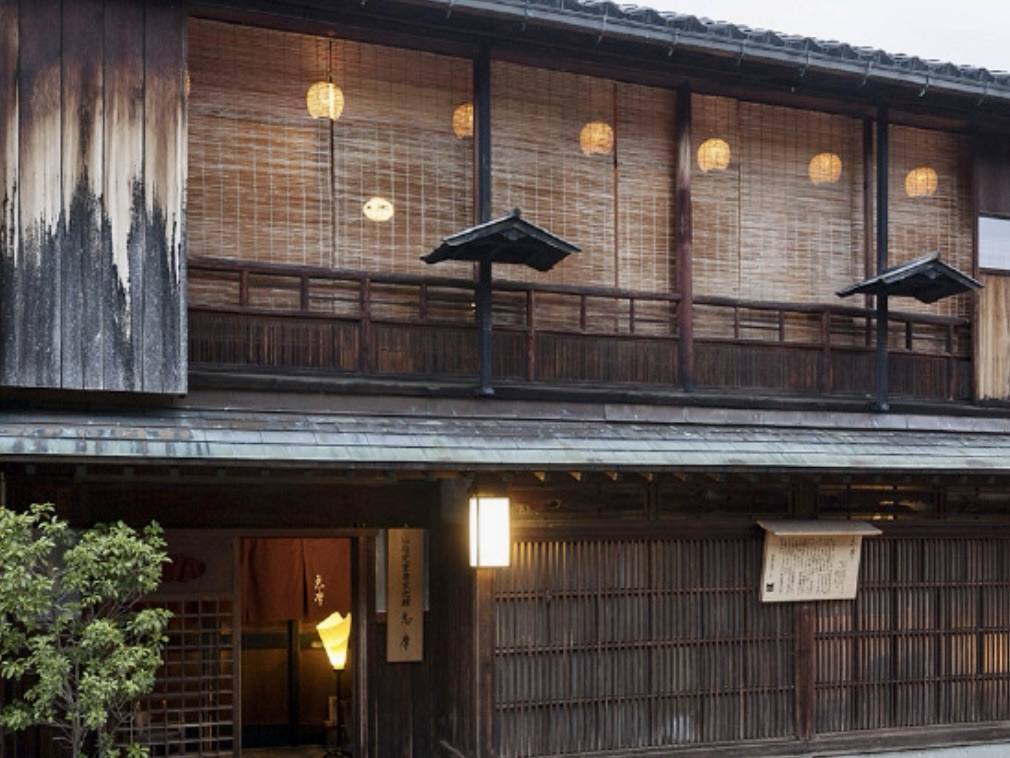
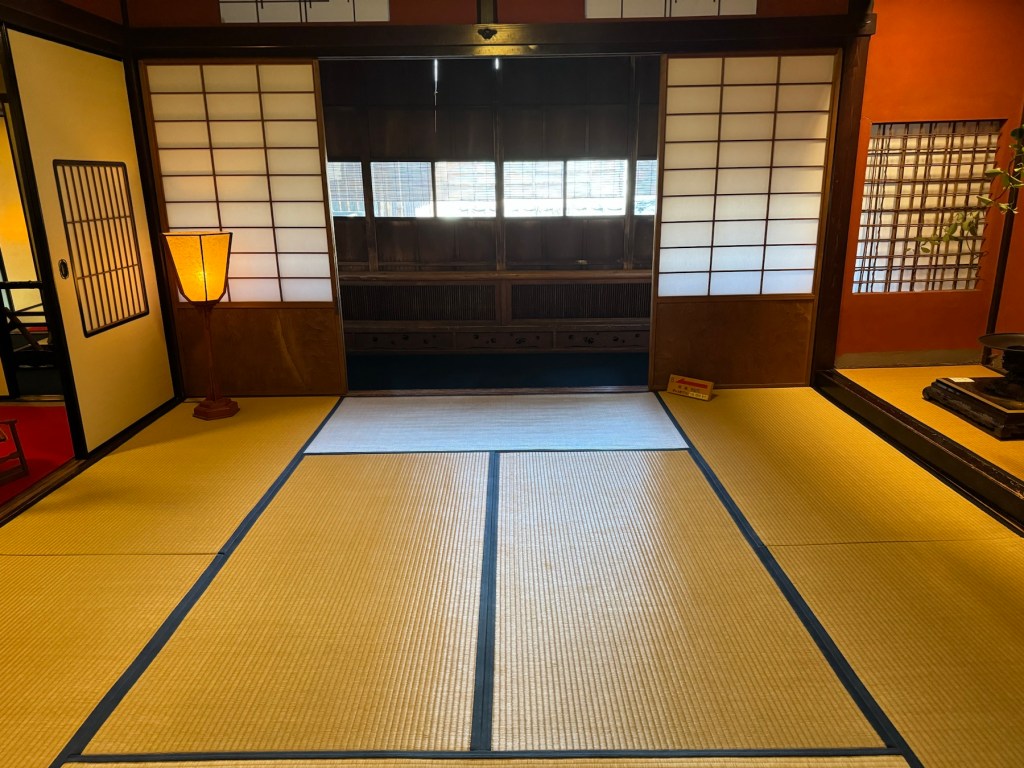
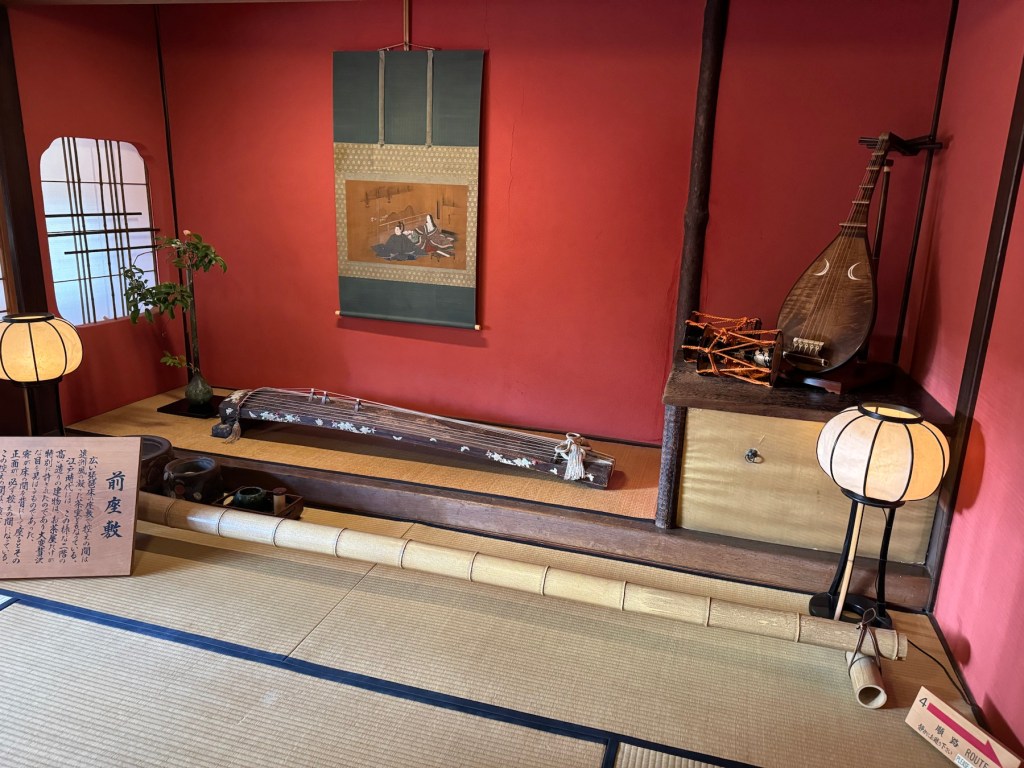
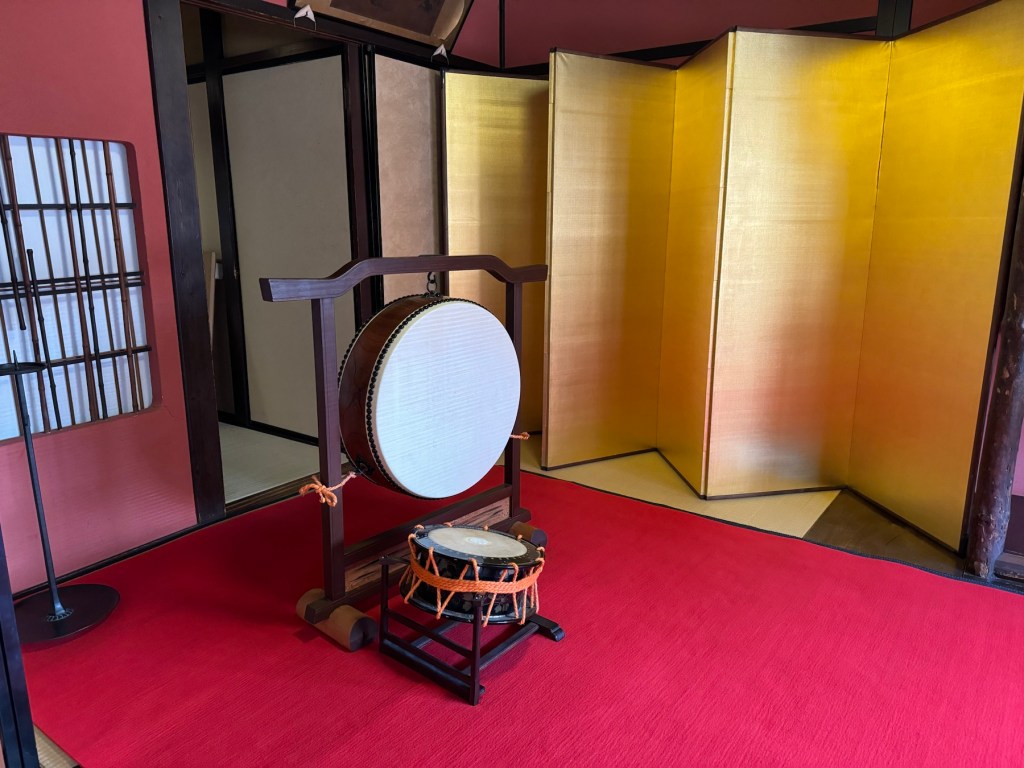
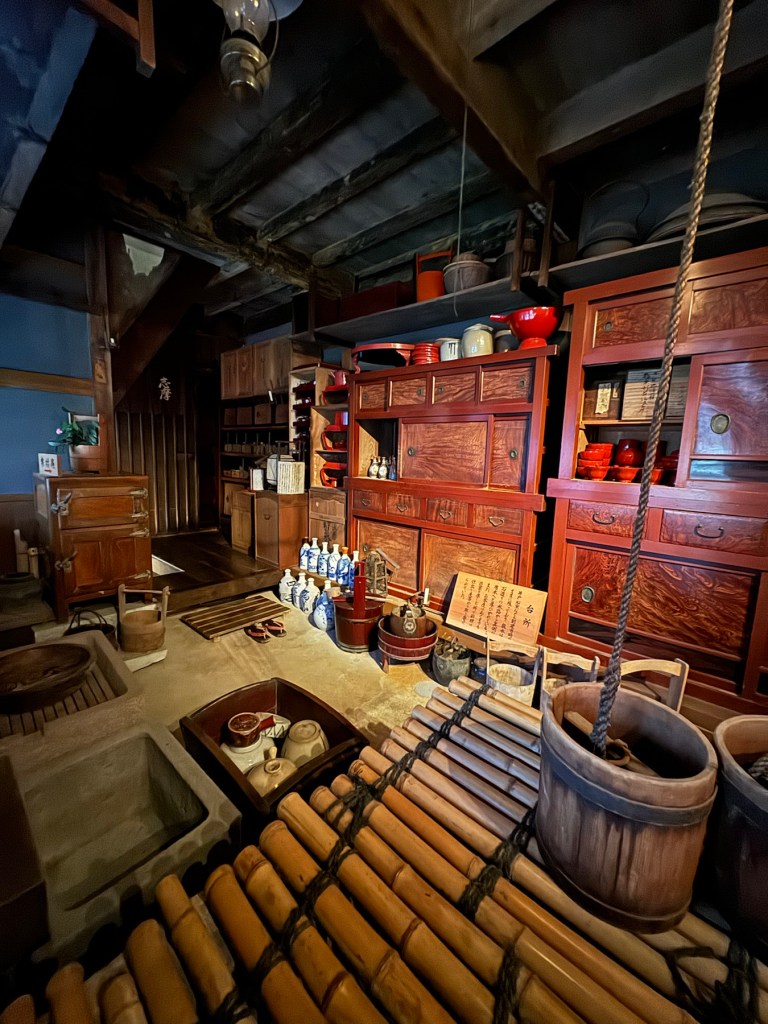
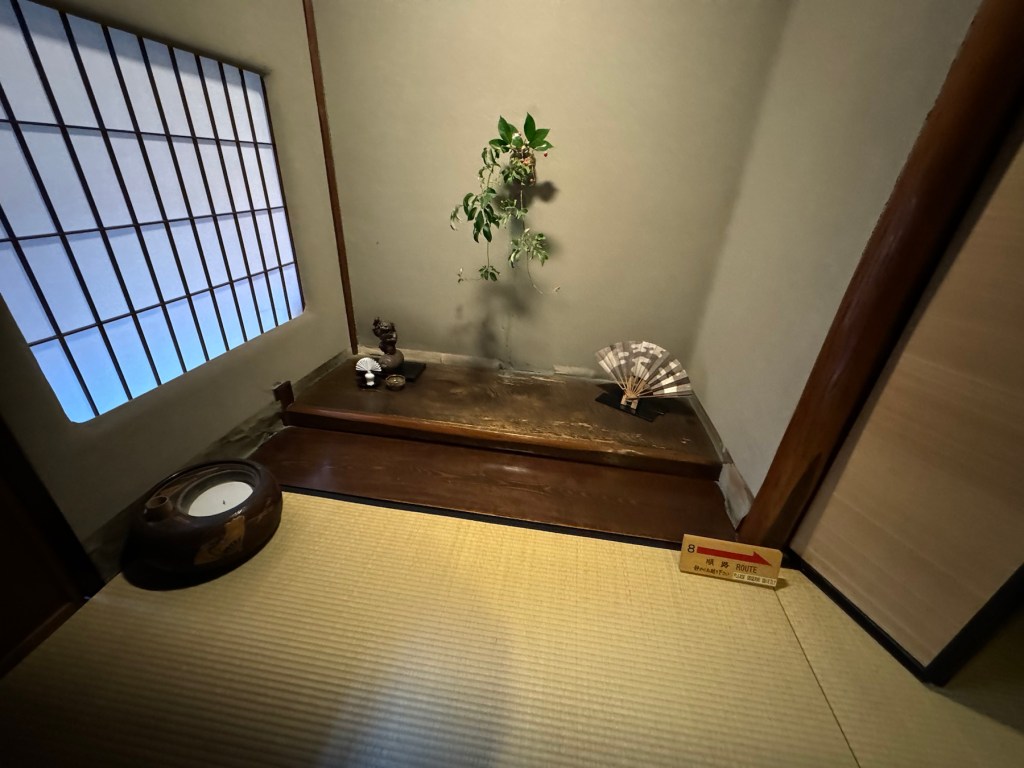
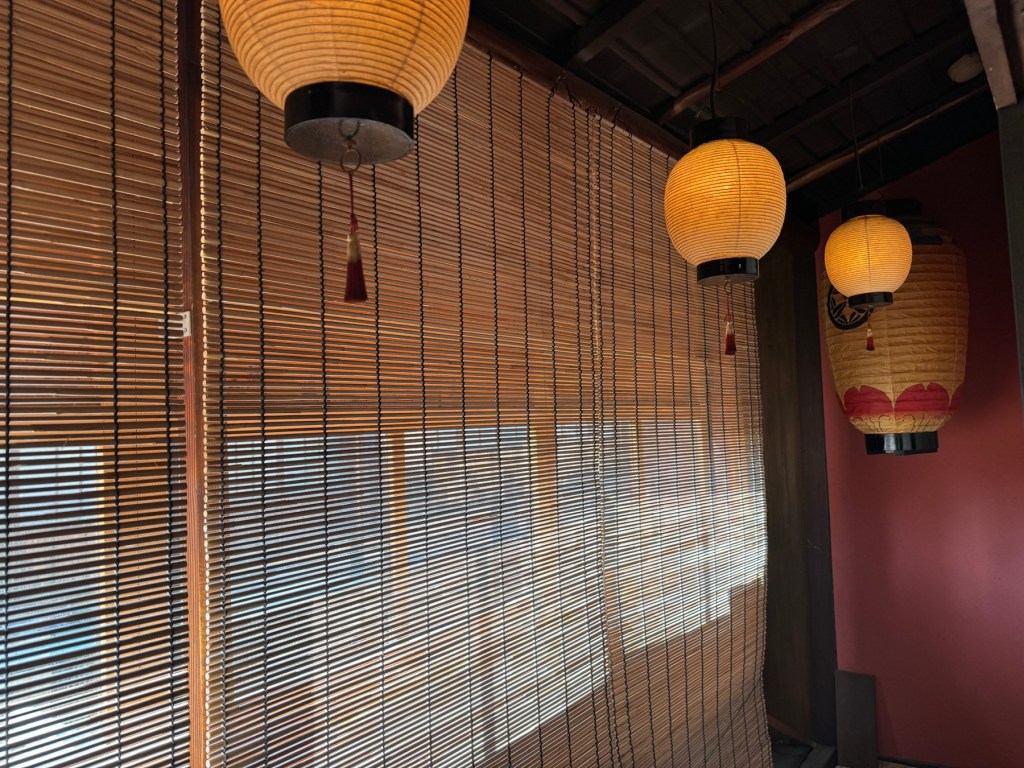
Similar to the samurai area, many of the original buildings have been converted to restaurants and shops.

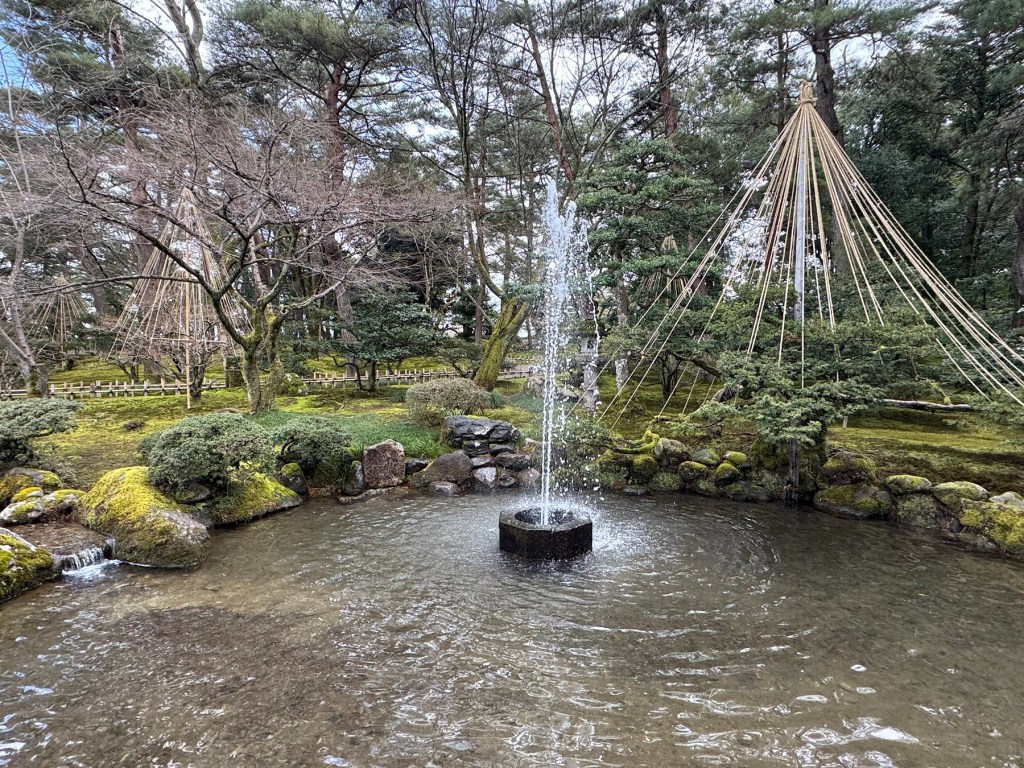
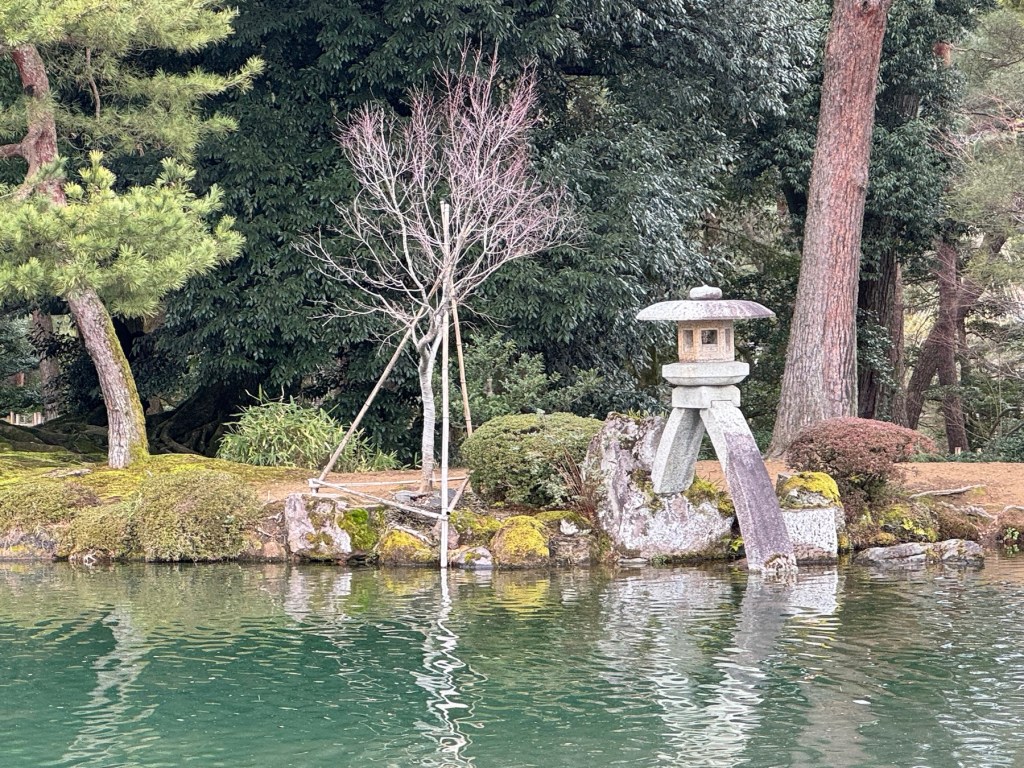
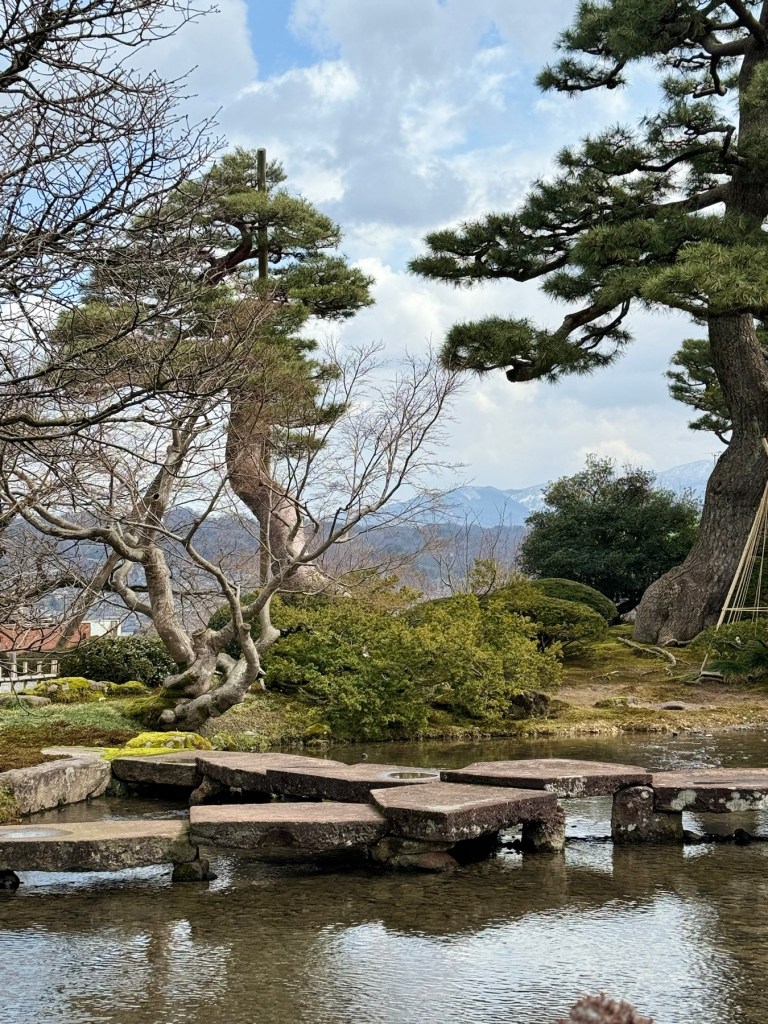
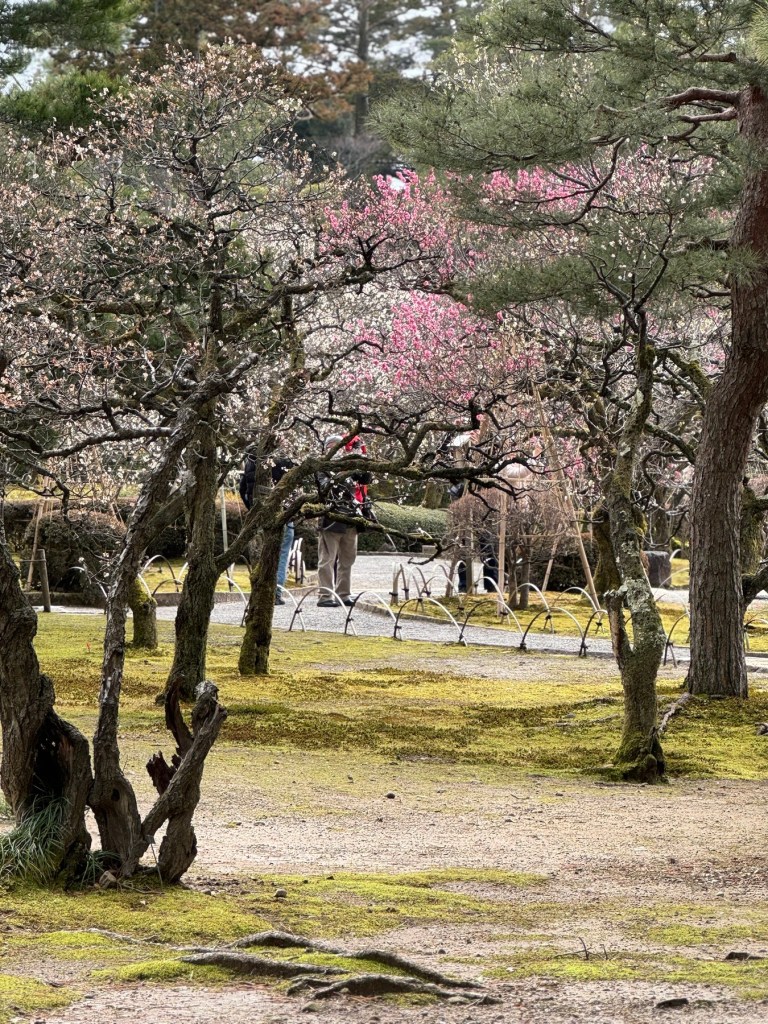
While the sun was shining, we headed to the Kenrokuen Garden. Two centuries of remodeling by master gardeners of the feudal era have resulted in a spectacular garden. There are six different sublime qualities to which a garden can aspire. They are: spaciousness & seclusion, artifice & antiquity, water-courses & panoramas. As we walked through this beautiful setting, it began to snow again. The fountain, the lantern in the pond, the cherry trees, the mountains in the distance…breathtaking!


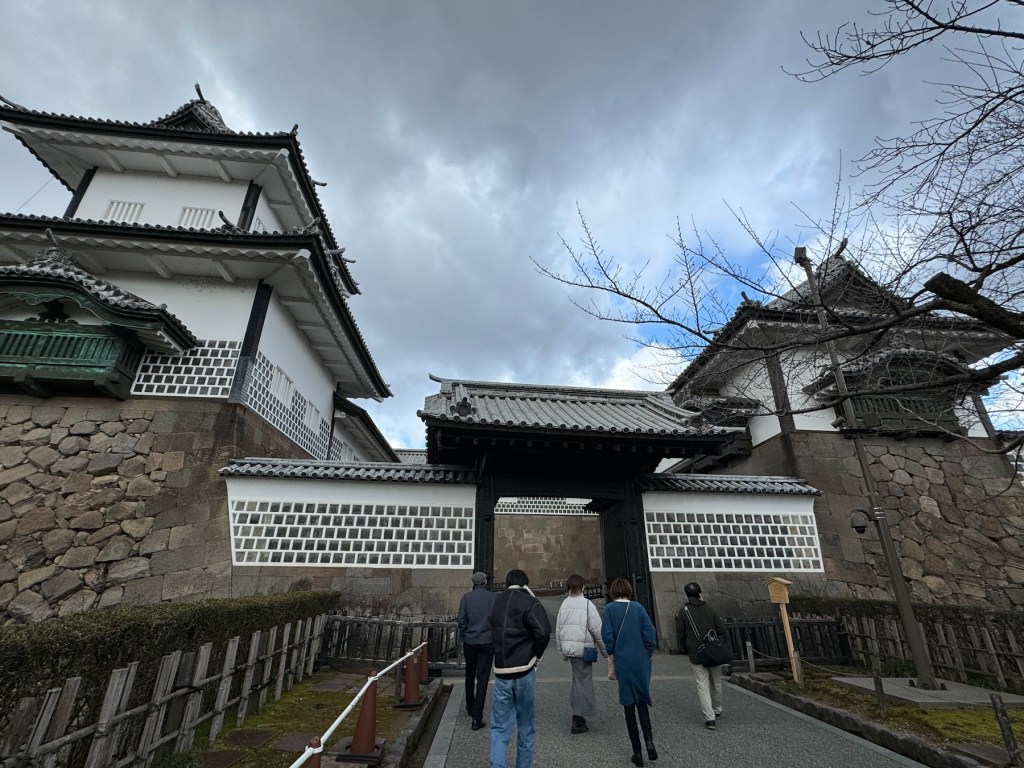
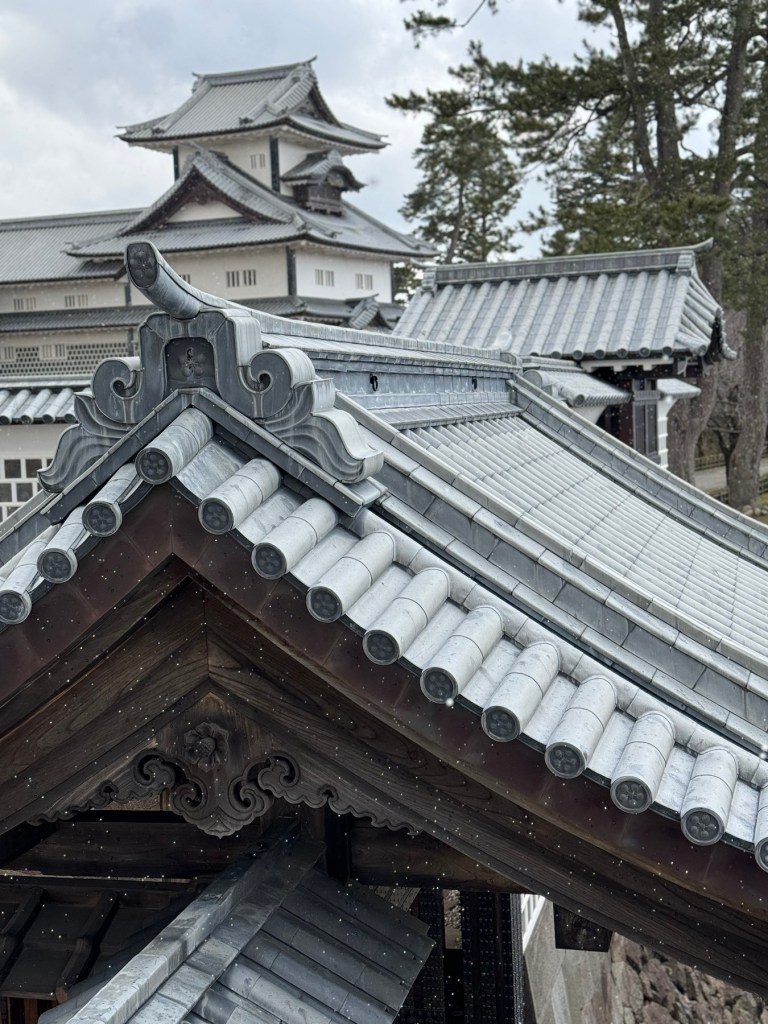
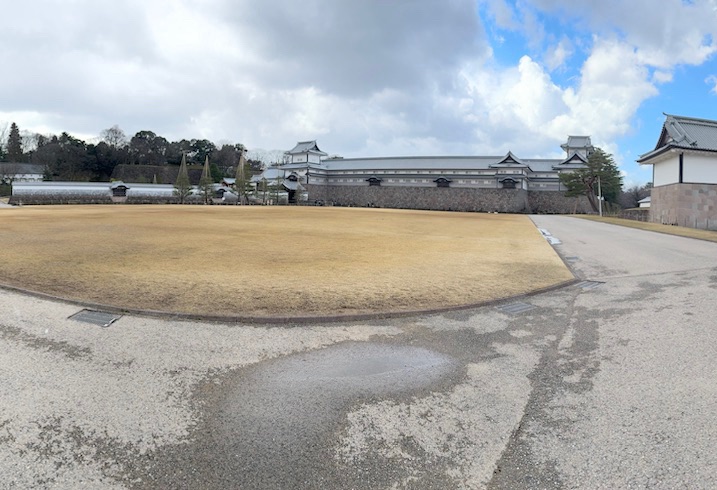
Kanazawa Castle dates back to 1580 and borders the garden. The castle’s white tiled roof is made of weathered lead and is a striking landmark. Many of Kanazawa Castle’s buildings were burnt down in repeated fires through the years, Restoration projects using traditional techniques and materials have successfully rebuilt the castle to its original appearance.

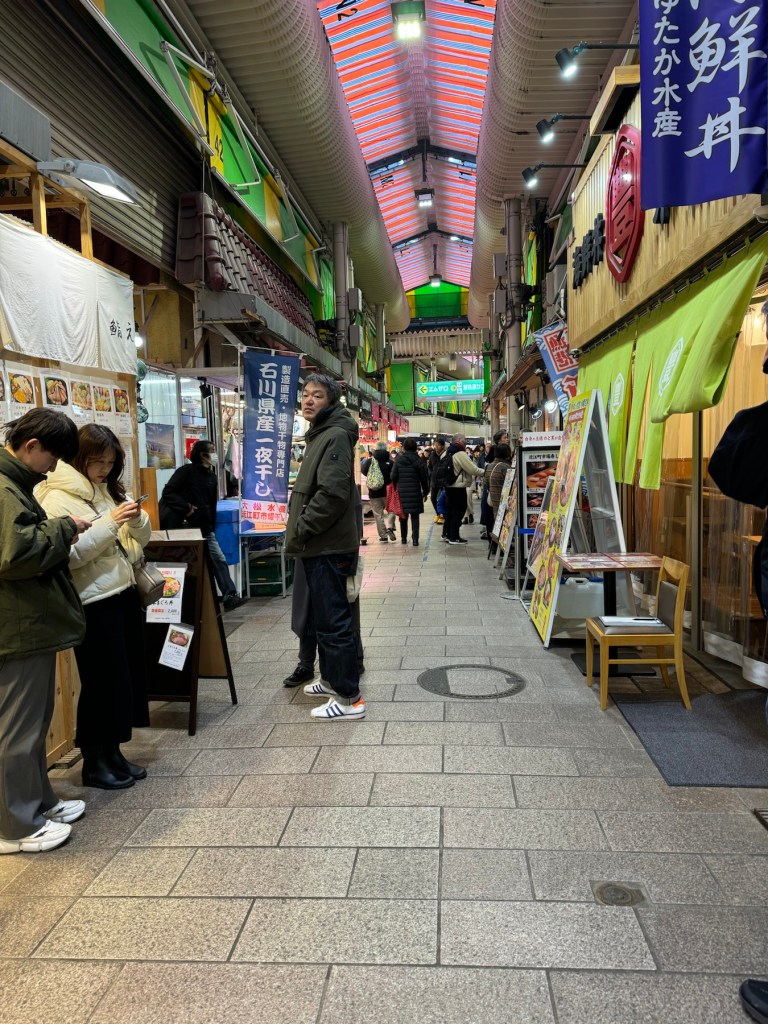
After the Castle, we headed to “Kanazawa’s Kitchen”, or the Omicho Market. This market has been an essential part of Kanazawa’s food culture since 1721. The market is covered and sprawling. Freshly caught seafood from the Sea of Japan is the main feature, especially snow crab. There are also plenty of fruit and vegetable stands along with several restaurants.

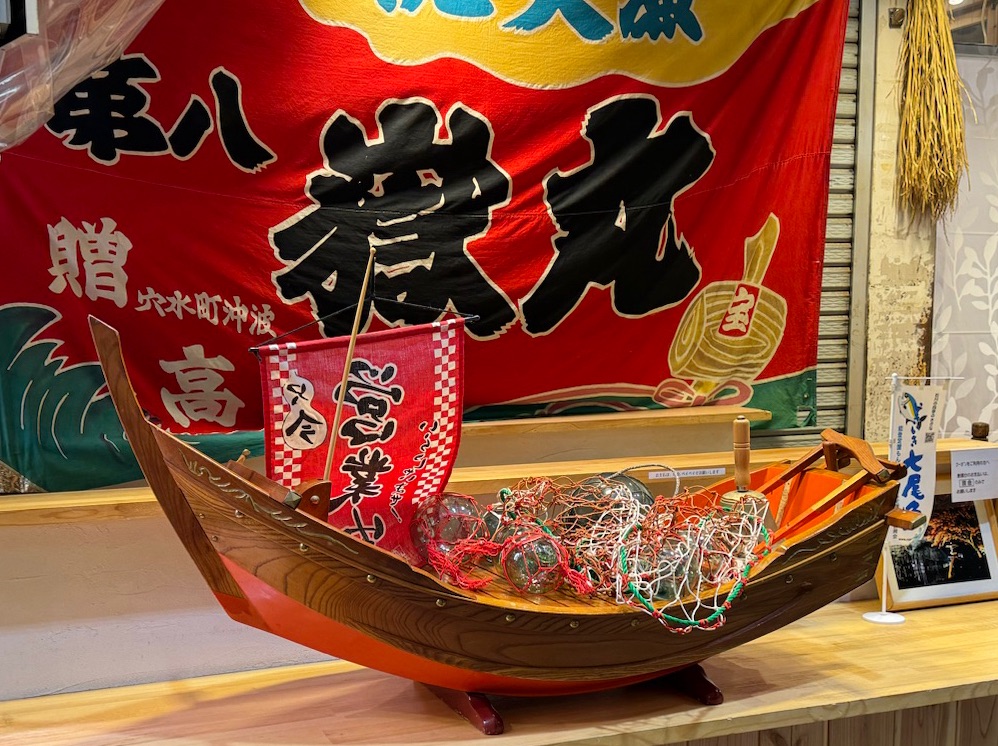
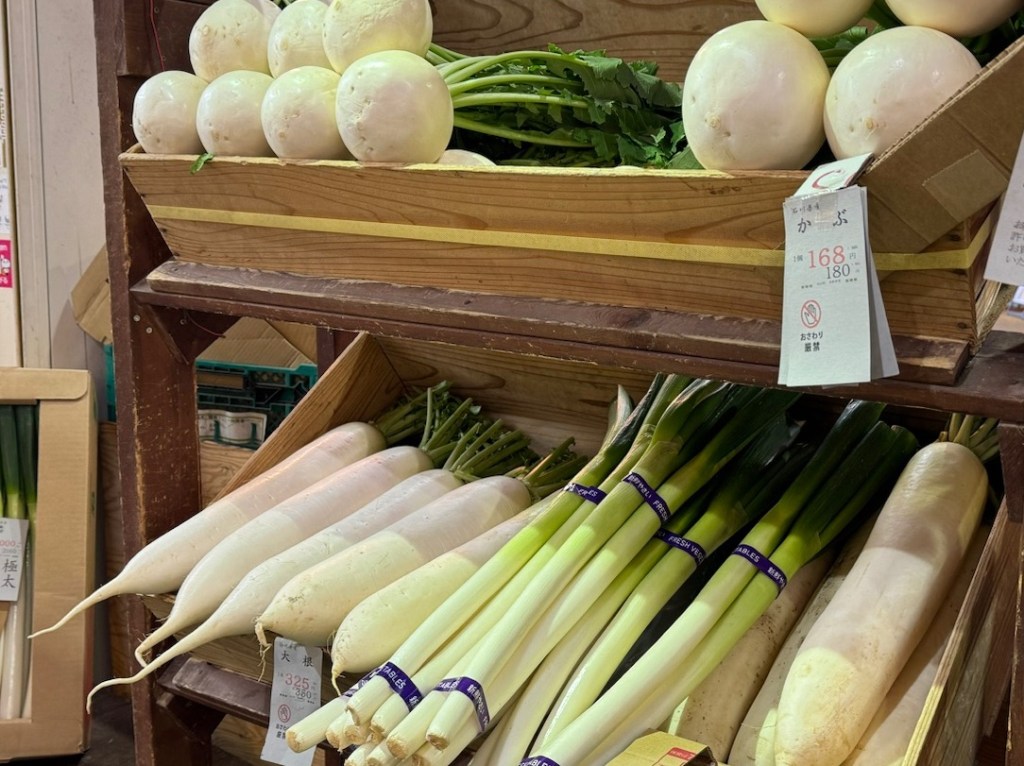
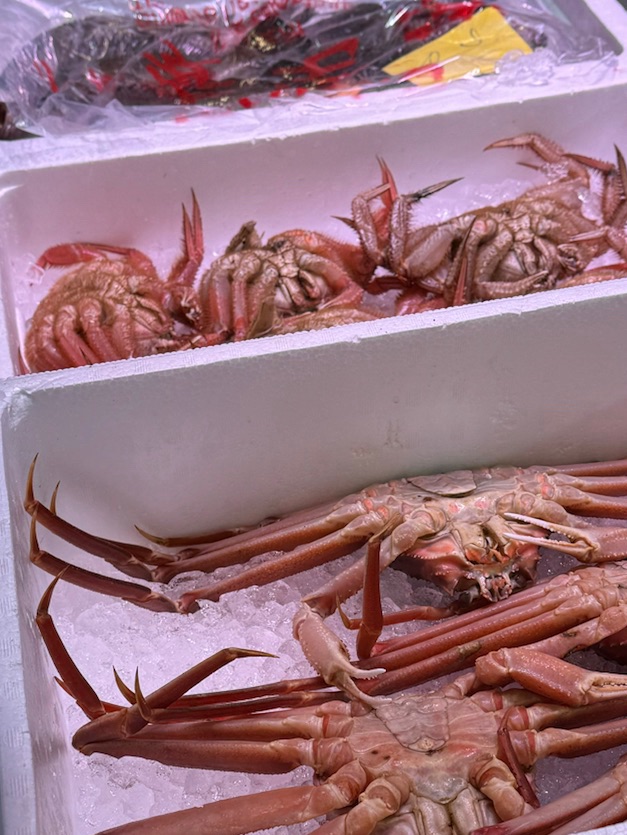
Snow, sun and seafood made the day golden in Kanazawa.

 Where is Wendy